How to choose the best orthopedic doctor?

best orthopedic doctor

How to choose the best orthopedic doctor?

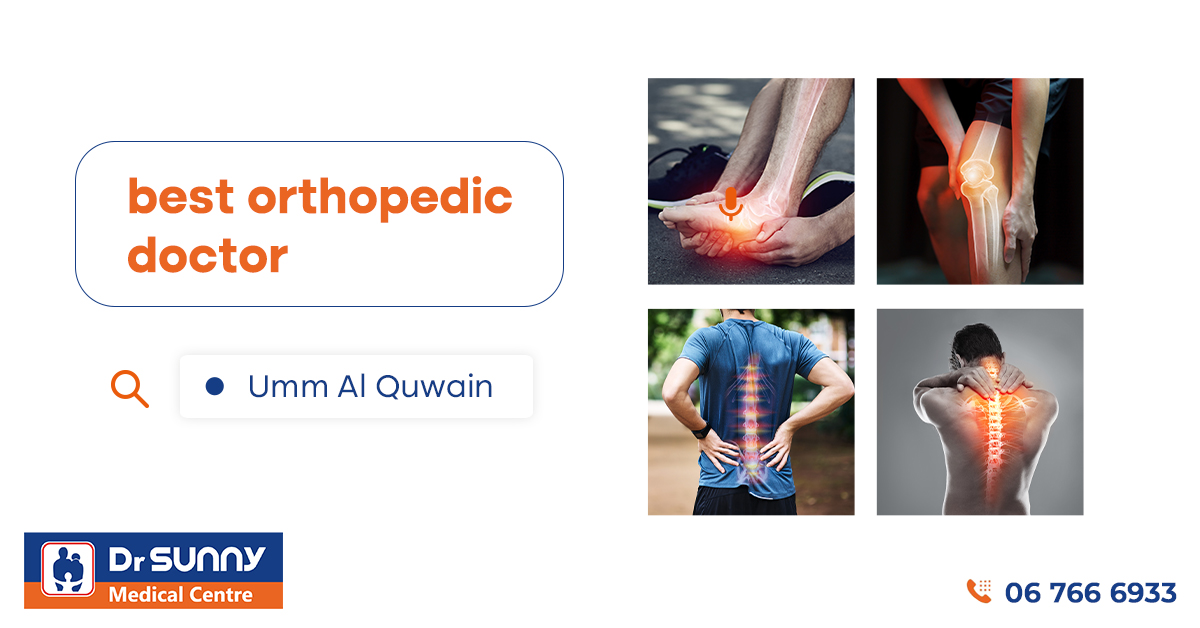
Are you suffering from chronic joint pain/ shoulder pain and are thinking to consult an orthopedic doctor? Choosing the best orthopedic doctor is an important decision that involves considering several factors to ensure you receive the right care for your musculoskeletal issues. Consider the following factors before choosing an orthopedic doctor:

Specialization: Orthopedic doctors often specialize in specific areas such as sports injuries, joint replacement, spine surgery, or hand surgery. Consider your specific condition and look for a doctor with expertise in that area.

Referrals and Recommendations: Ask for recommendations from your primary care doctor, friends, family, or colleagues. Personal experiences can provide valuable insights into the doctor’s competence and bedside manner.

Credentials and Experience: Research the doctor’s credentials, education, and years of experience. Experience in treating specific conditions can be crucial in ensuring quality care.

Communication Skills: A good orthopedic doctor should be able to communicate effectively, explaining your condition and treatment options in a way you can understand. This is important for building trust and ensuring you are well-informed about your health.

Our orthopedic specialists in Umm-al-quwain are equipped with an extensive array of tools and state-of-the-art medical equipment for accurate diagnosis, treatment and pain management

Additionally, at Dr. Sunny Medical Centre we prioritize holistic well-being. If you are struggling to find the right orthopedic doctor, schedule an appointment with Dr. Abin Jos. Dr. Abin Jos, is an accomplished Orthopedic Surgeon, who brings a wealth of experience and expertise to the field of orthopedics. His extensive medical journey in India as well as the UAE and dedication to providing top-notch orthopedic care make Dr. Abin a trusted professional in the field of orthopedic surgery. His clinical expertise includes joint replacements, pediatric patients, treating sports injuries, fractures, handling trauma care, performing Arthroscopy and chronic pain management.

He makes sure that every patient who comes to him feels comfortable and gives them the time to ask questions during the initial consultation and ensures that all their concerns are addressed.

Lifestyle changes to lower the risk of diabetes

Lifestyle changes to lower the risk of diabetes

Lifestyle changes to lower the risk of diabetes

Diabetes is largely considered as a lifestyle disease and making small but significant changes in your day-to-day life is an effective way to lower the risk of developing diabetes, particularly type 2 diabetes. Wondering how you can lower the risk of getting this disease. In this blog post we suggest several lifestyle changes that can help reduce your risk.

You need to ditch unhealthy lifestyle habits & swap it with healthy choices to keep diabetes at bay. These changes include:

Eating a balanced diet: Focus on a diet rich in whole grains, fruits, vegetables, lean proteins, and healthy fats. Avoid or limit sugary and highly processed foods, as well as excessive consumption of red meat.

Portion control: Be mindful of portion sizes to avoid overeating. Smaller, controlled portions can help with weight management and blood sugar control.

Choose low-glycemic foods: Foods with a low glycemic index (GI) are less likely to cause rapid spikes in blood sugar. These include whole grains, legumes, and non-starchy vegetables.

Cut down on sugar and sugary drinks: Minimize your intake of sugary beverages, such as soda and fruit juices, as well as sugary snacks and desserts.

Increase fiber intake: Foods high in fiber, such as whole grains, vegetables, and legumes, can help stabilize blood sugar levels and improve insulin sensitivity.

Stay active: Regular physical activity can help improve insulin sensitivity and maintain a healthy weight. Aim for at least 150 minutes of moderate-intensity aerobic exercise per week, along with strength training.

Control stress: Chronic stress can affect blood sugar levels. Practice stress-reduction techniques like meditation, yoga, deep breathing, or hobbies that relax you.

Get adequate sleep: Aim for 7-9 hours of quality sleep per night. Poor sleep can disrupt hormones and increase the risk of insulin resistance.

Know your family history: If you have a family history of diabetes, you may be at a higher risk. Be aware of this risk factor.

Regular check-ups are best to manage the risk of Diabetes

Visit our general practitioner Dr. Sheheeja P M  for regular check-ups and screenings to monitor your blood sugar levels and assess your diabetes risk. She brings over a decade of extensive experience from NABH and JCI-accredited hospitals and distinguished healthcare centers in the UAE and India. She is adept at handling conditions like Diabetes and other lifestyle related ailments. Schedule an appointment with Dr. Sheheeja by making significant changes to your lifestyle, especially if you have existing health conditions. She can provide personalized guidance and monitor your progress.

Importance of Cervical Screening

Cervical Screening

Importance of Cervical Screening

Cervical screening, also known as a Pap smear or Pap test, is a fundamental aspect of women’s health. that plays a pivotal role in preventing and detecting cervical cancer. This routine screening offers a proactive approach to safeguard against a potentially life-threatening disease.

In this blog post, we will learn about the importance of cervical screening, emphasizing its role in early detection and prevention.

Why is screening important?

Regular cervical screening is beneficial due to several reasons including:

Early Detection Saves Lives

Cervical screening is a powerful tool for the early detection of abnormalities in the cervix, often long before they develop into cancerous cells. By identifying these changes early on, healthcare professionals can initiate timely interventions, preventing the progression of abnormal cells into cervical cancer. Early detection significantly increases the chances of successful treatment and, ultimately can save lives.

Preventing Cervical Cancer

Cervical cancer is a slow-progressing disease that typically begins with precancerous changes in the cervix. Regular screenings by our gynecologist helps in identifying these changes, allowing doctors to intervene and prevent the development of cervical cancer. Through the removal of precancerous lesions or the initiation of appropriate medical treatments, cervical screening acts as a crucial barrier against the onset of this often-preventable disease.

Promoting Women’s Health and Well-being

Beyond its role in preventing cervical cancer, regular screening contributes to overall women’s health and well-being. By keeping a close eye on the health of the cervix, healthcare professionals can address various reproductive health issues, providing guidance and support to women at different stages of their lives. This proactive approach empowers women to take control of their health, fostering a sense of well-being and confidence.

Risk Assessment and Personalized Care

Cervical screening allows healthcare providers to assess individual risk factors and tailor care plans accordingly. Factors such as age, family history, and previous screening results are taken into account, enabling a personalized approach to healthcare. This tailored strategy ensures that women receive the appropriate level of monitoring and intervention based on their unique circumstances, optimizing the effectiveness of preventive measures.

Educating and Empowering Women

Cervical screening goes hand in hand with education and empowerment. By encouraging women to participate in regular screenings, healthcare providers can raise awareness about the importance of preventive care and early detection. Knowledgeable and empowered women are more likely to prioritize their health, making informed decisions that positively impact their overall well-being.

In conclusion, cervical screening is a cornerstone of women’s health, offering a proactive approach to preventing and detecting cervical cancer. Its role in early detection, prevention, and personalized care cannot be overstated. By prioritizing regular screenings, women can take control of their health, ensuring a brighter and healthier future. Cervical screening is not just a medical procedure; it’s a vital step towards empowering women to lead healthier, more informed lives. If you are a woman aged 30 or above, we would recommend you to schedule cervical screenings regularly. You can visit us at Dr. Sunny Medical Centre and schedule an appointment with our gynecologist, Dr. Syed Aliya Jabeen.

Dr. Syed Aliya Jabeen is a highly qualified and experienced OB/GYN with a passion for patient care and medical education. Her extensive work experience includes managing obstetric and gynecological emergencies and screening PAP smears, doing cervical biopsies.

Recovery after C-section: What to Expect?

Recovery After an Elective C-Section What to Expect - best gyne ob gyn

Recovery after C-section: What to Expect?

Bringing a new life into the world is a transformative experience, and for some mothers, an elective c-section is the chosen path. While the decision to have a cesarean section may be rooted in various factors, understanding the recovery process is crucial. In this blog post, we’ll delve into what to expect during the recovery period after an elective c-section, offering insights and tips to make the journey smoother.

Our expert gynecologist can help you to recover post your c-section and make your transition to the journey of motherhood smoother in the following ways:

Pain Management

It’s normal to experience pain and discomfort post-surgery. Our gynecologists can provide pain medication to manage any discomfort. It’s essential to communicate your pain levels to receive the appropriate support.

Restricted Activities

In the initial weeks, you’ll need to avoid heavy lifting and strenuous activities. Simple movements like getting in and out of bed may require assistance, so having a support system in place is crucial.

Incision Care

Proper care of the c-section incision is vital for preventing infection. Keep the incision clean and dry, and follow any care instructions provided by our gynecologist.

Gradual Return to Routine

As your body heals, gradually reintroduce daily activities. Start with light exercises and household tasks but avoid pushing yourself too hard too soon.

Breastfeeding after a C-Section

Breastfeeding is possible after a c-section, but finding a comfortable position may take some time. If you have any doubts or concerns feel free to consult our gynecologist.

Follow-up Appointments

Attend all scheduled postpartum check-ups with our gynecologist. These appointments allow for monitoring your recovery progress and addressing any concerns.

Future Pregnancies

Discuss future pregnancies with our gynecologist as she can provide guidance on potential considerations.

Recovering from an elective c-section is a unique journey for every mother. By understanding what to expect and proactively engaging in your recovery, you can navigate this period with confidence. Reach out to our gynecologist,  Dr. Syed Aliya Jabeen for personalized advice and support. Dr. Syed Aliya Jabeen is a highly qualified and experienced OB/GYN with a passion for patient care and medical education. Her extensive work experience includes managing obstetric and gynecological emergencies, elective c-section and screening PAP smears, doing cervical biopsies.