

Quick answer: Most back pain comes from muscle strain or posture and improves within a few weeks with gentle movement, rest from aggravating activity and simple self-care. See an orthopaedic doctor if pain is severe, persistent, follows an injury, or comes with leg weakness, numbness, fever or loss of bladder or bowel control.
What causes most back pain?
Most back pain is mechanical, meaning it relates to the muscles, ligaments, joints and discs that support the spine rather than a serious underlying disease. It often settles on its own.
Common everyday causes include:
- Muscle or ligament strain from lifting awkwardly, a sudden movement or overuse.
- Posture-related strain from long hours at a desk, driving, or looking down at a phone.
- Age-related changes in the discs and joints of the spine, which are a normal part of getting older.
- Inactivity or weak core muscles, which leave the back less supported.
- Disc-related problems that can sometimes press on a nerve and cause pain spreading into the leg.
Because the exact cause varies from person to person, a proper assessment is the only way to know what is driving your symptoms. If you are unsure, it is reasonable to have it checked.
Can I treat back pain at home first?
Yes. For typical short-term back pain without warning signs, gentle self-care over a few days to weeks is usually the sensible first step.
General measures that many people find helpful:
- Keep moving gently. Long periods of bed rest are generally not advised; light activity often helps recovery.
- Adjust your posture and workspace so your back is supported when sitting and standing.
- Use heat or cold on the sore area for short periods, whichever feels more comfortable.
- Avoid heavy lifting or twisting until the pain eases.
- Stay active within comfort with walking and gentle stretching.
If you are considering pain-relief medication, ask a pharmacist or doctor what is suitable for you, as the right choice depends on your health and any other conditions. This guide does not recommend specific medicines or doses.
When should I see an orthopaedic doctor for back pain?
See an orthopaedic doctor if your back pain is severe, is not improving after a few weeks of self-care, keeps coming back, or interferes with daily life, sleep or work.
You should also seek a professional assessment if the pain followed a fall, accident or sports injury, or if it is steadily getting worse rather than better. An orthopaedic doctor can examine you, arrange any imaging if needed, and explain the options for your particular situation.
What are the red-flag signs I should not ignore?
Some symptoms suggest a problem that needs prompt medical attention. Do not wait and watch if you notice any of the following.
| Situation | What to do |
|---|---|
| Loss of bladder or bowel control, or numbness around the groin or inner thighs | Seek emergency care immediately |
| New leg weakness, numbness or pins and needles, especially in both legs | Seek urgent medical assessment |
| Back pain with fever, chills or feeling unwell | See a doctor promptly |
| Pain after a significant fall or accident | Get assessed soon, sooner if severe |
| Unexplained weight loss alongside back pain | See a doctor for evaluation |
| Severe pain that is constant and not eased by rest or position | Arrange a professional assessment |
These red flags are uncommon, but they matter. If in doubt, it is always safer to get checked.
What happens at an orthopaedic visit?
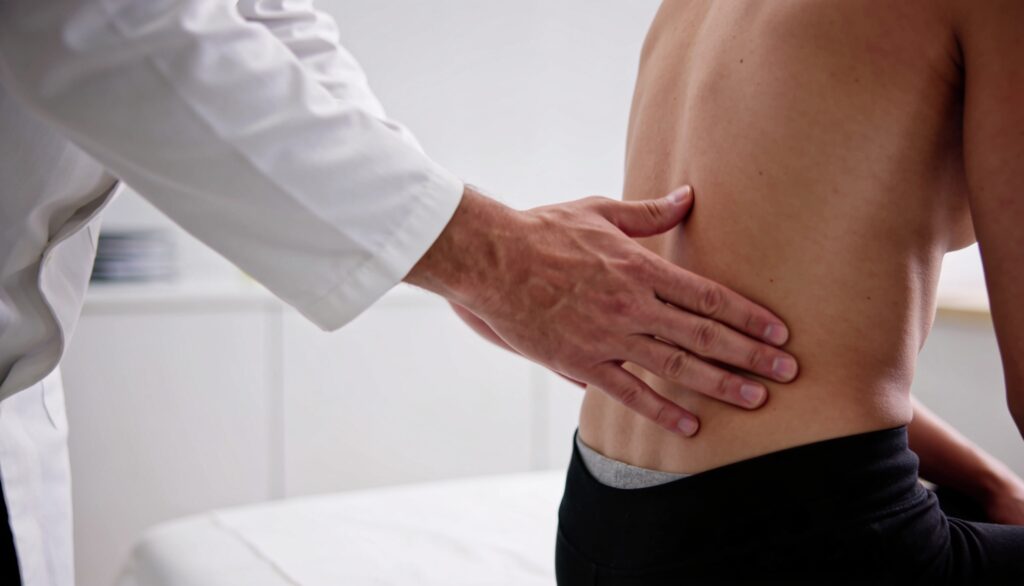
An orthopaedic visit usually starts with questions about your symptoms and a physical examination of your back, posture and movement. The aim is to understand the likely cause and rule out anything serious.
Depending on what is found, the doctor may discuss further steps such as imaging or a tailored plan. Care is individualised, and any treatment programme is decided together with you based on your examination. The cost of investigations or treatment varies by case, so it is best to book a consultation to discuss what applies to you.
At Dr. Sunny Medical Centre, patients in Umm Al Quwain, Ajman and across the UAE can be assessed in English or Arabic. If long-term joint pain is part of your picture, our related guide on managing arthritis and joint pain may also help.
How can I help prevent back pain?
You cannot prevent every episode, but simple habits lower the risk and support recovery.
- Stay generally active and build gentle core and back strength over time.
- Lift with your knees bent and the load close to your body, avoiding twisting.
- Take regular breaks from sitting and set up a supportive chair and screen height.
- Maintain a healthy weight and stay well hydrated.
- Warm up before sport or heavy activity.
You can learn more about the clinic and our Umm Al Quwain branch if you would like to plan a visit.
Frequently Asked Questions
How long should I wait before seeing a doctor for back pain?
If your pain is mild and improving, a few weeks of self-care is reasonable. If it is severe, not settling after several weeks, getting worse, or comes with any red-flag sign such as leg weakness or fever, see a doctor sooner.
Is back pain usually serious?
Most back pain is not caused by a serious condition and improves over time. A small number of cases have warning signs that need prompt attention, which is why it is worth knowing the red flags and getting checked if you are unsure.
Should I rest in bed when my back hurts?
Generally no. Long periods of bed rest are not usually advised. Gentle movement and staying as active as comfort allows tend to support recovery better, while you avoid activities that clearly worsen the pain.
What is the difference between back pain and sciatica?
Back pain is felt mainly in the back itself. When pain, numbness or tingling spreads down the leg, it may involve a nerve. This pattern should be assessed by a doctor, especially if there is weakness in the leg.
Do I need a scan for back pain?
Not always. Many cases do not require imaging. A doctor decides whether a scan is helpful based on your symptoms and examination, particularly if there are warning signs or the pain is not improving.
Can I see an orthopaedic doctor in Umm Al Quwain or Sharjah?
Yes. Dr. Sunny Medical Centre has branches in Umm Al Quwain and serves patients across the UAE, with consultations available in English and Arabic. Book a visit to have your back assessed.
This article is for general information and is not a substitute for professional medical advice.
If your back pain is persistent, severe or worrying you, our team is here to help. Book a consultation at Dr. Sunny Medical Centre in Umm Al Quwain to have your back assessed and discuss a plan that suits you.