

Managing Hypertension and Safeguarding Kidney Health


Managing hypertension & its effect on kidney health best nephrologist near me

Managing Hypertension and Safeguarding Kidney Health

Hypertension, commonly known as high blood pressure, is often referred to as the “silent killer” due to its asymptomatic nature. Beyond its cardiovascular implications, hypertension can significantly impact kidney health. In this post, we will explore the intricate relationship between managing hypertension and safeguarding kidney health, shedding light on the importance of proactive measures to prevent complications.

Understanding Hypertension

Hypertension is a chronic medical condition characterized by elevated blood pressure levels. Uncontrolled hypertension can lead to various complications, affecting vital organs, with the kidneys being particularly vulnerable. It’s imperative to comprehend the mechanisms of hypertension to effectively manage and mitigate its impact on kidney function.

The Renal Connection

The kidneys play a pivotal role in maintaining blood pressure equilibrium by regulating fluid balance and electrolytes. Conversely, sustained high blood pressure can damage the delicate blood vessels within the kidneys, compromising their ability to filter waste efficiently. Over time, this can lead to chronic kidney disease (CKD) and, in severe cases, kidney failure.

Lifestyle Modifications for Controlling Blood Pressure

Managing hypertension involves a multifaceted approach, encompassing lifestyle modifications as a primary line of defense. Adopting a heart-healthy diet rich in fruits, vegetables, and low-fat dairy, coupled with regular physical activity, can contribute significantly to blood pressure control. Additionally, limiting sodium intake, moderating alcohol consumption, and avoiding tobacco are crucial steps in safeguarding overall cardiovascular and renal health.

Regular Monitoring and Check-ups

Routine health check-ups are indispensable for individuals managing hypertension, especially considering its potential impact on kidney health. Blood pressure monitoring, along with kidney function tests such as serum creatinine and glomerular filtration rate (GFR) assessments, enables early detection of any abnormalities, allowing for timely intervention and prevention of further complications.

Scheduling an appointment with our consultant nephrologist/internal medicine can help with managing hypertension. Our nephrologist follows a holistic approach by combining lifestyle modifications, prescribing necessary medications to ensure a better quality of life and reduce the risk of long-term complications.
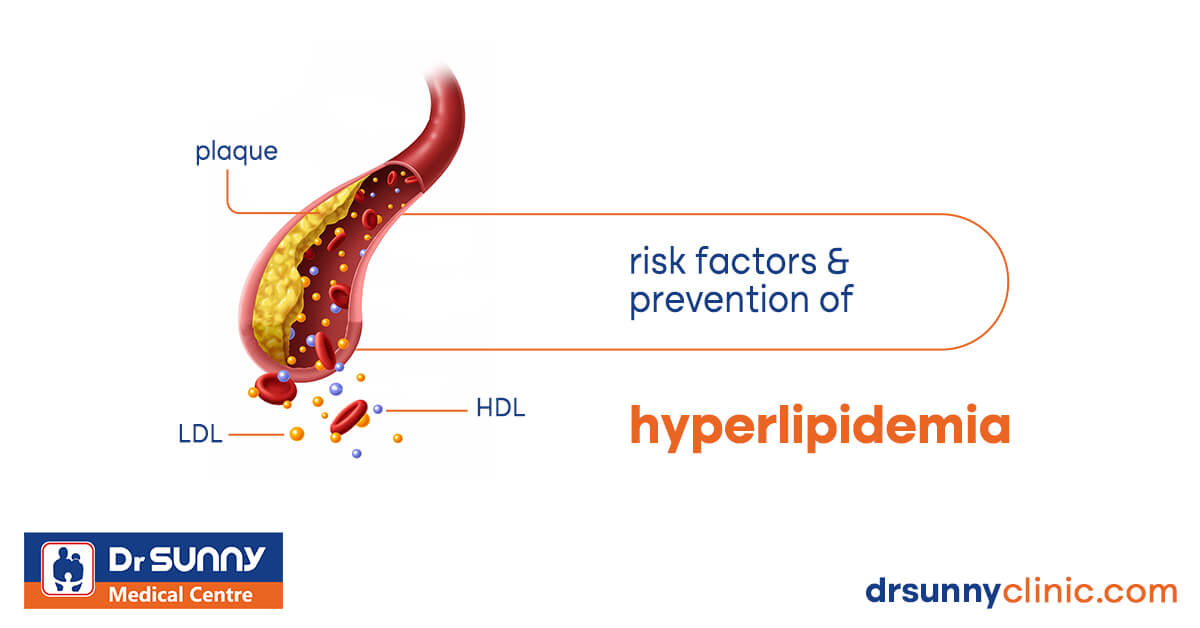
Risk Factors and Prevention of Hyperlipidemia

Risk Factors and Prevention of Hyperlipidemia high cholesterol best GP doctor in SharjahRisk Factors and Prevention of Hyperlipidemia


Hyperlipidemia refers to elevated levels of lipids (fats) in the blood, including cholesterol and triglycerides. It is a major risk factor for cardiovascular diseases such as heart attacks and strokes. Understanding the risk factors and adopting preventive measures are crucial for managing and reducing the impact of hyperlipidemia. Here are some key aspects:

Let us explore the risk factors:

Unhealthy Diet

Consuming a diet high in saturated and trans fats can raise LDL (low-density lipoprotein) cholesterol levels, contributing to hyperlipidemia. Certain foods, especially those high in cholesterol, can contribute to elevated blood cholesterol levels.

Physical Inactivity

Lack of regular physical activity is associated with lower levels of HDL (high-density lipoprotein) cholesterol, the “good” cholesterol.

Obesity

Excess body weight, particularly abdominal obesity, is linked to higher levels of triglycerides and lower levels of HDL cholesterol.

Genetics

Family history of hyperlipidemia or cardiovascular diseases can increase the risk.

Age and Gender

The risk of hyperlipidemia tends to increase with age, and men generally have higher cholesterol levels than premenopausal women.

Medical Conditions

Conditions like diabetes, hypothyroidism, and kidney disease can contribute to elevated lipid levels.

Regular Health Check-ups:

Periodic health check-ups help monitor cholesterol levels and assess overall cardiovascular health. In some cases, medications may be prescribed to help manage lipid levels. Lifestyle modifications, along with any necessary medications, can significantly reduce the risk and impact of hyperlipidemia.

Consult with Dr. Ronymol Benny, our general practitioner  for personalized advice and guidance. Individuals with a family history of hyperlipidemia or cardiovascular diseases should be particularly vigilant and work closely with her to manage their risk factors. She has more than 6 years of experience in the field of General Practice.  Her areas of interest in the medical field are surgical procedures, treating acute & chronic diseasesand lifestyle diseases.


Understanding Thyroid Disorders

Understanding Thyroid Disorders, best general practitioner in Sharjah

Understanding Thyroid Disorders

The thyroid gland plays a crucial role in maintaining our overall well-being. Understanding thyroid disorders is essential for maintaining overall well-being. In this blog post, we will delve into the nuances of thyroid health, from the common disorders, risk factors, diagnosis to practical tips for managing thyroid conditions.

Why the Thyroid Matters?

The thyroid, a butterfly-shaped gland located in the neck, orchestrates the production of hormones that regulate metabolism, energy levels, and various bodily functions. An imbalance in these hormones can lead to thyroid disorders.

Decoding Common Thyroid Disorders

Hypothyroidism

Often characterized by fatigue, weight gain, and sensitivity to cold, hypothyroidism is a condition where the thyroid underproduces hormones.

Hyperthyroidism

On the flip side, hyperthyroidism involves an overactive thyroid, leading to symptoms like weight loss, rapid heartbeat, and heat intolerance.

Autoimmune Disorders/Hashimoto’s and Graves’ Disease

Dive into the fascinating world of autoimmune thyroid disorders, understanding Hashimoto’s thyroiditis (linked with hypothyroidism) and Graves’ disease (associated with hyperthyroidism).

Identifying Risk Factors and Causes

Explore the diverse factors contributing to thyroid disorders, including genetics, environmental influences, gender, and age considerations. Understanding these risk factors is crucial for proactive health management.

Diagnosis

Unravel the diagnostic process of thyroid disorders, from blood tests measuring thyroid hormones and antibodies to imaging techniques like ultrasounds and thyroid scans. Empower yourself with knowledge about what to expect during a thyroid examination.

Living Vibrantly with Thyroid Disorders

Lifestyle Modifications: Explore dietary considerations for supporting thyroid health and the impact of stress management and quality sleep on overall well-being.

Navigating Potential Complications: Acknowledge the long-term effects of untreated thyroid disorders and understand the importance of continuous medical care for preventing complications.

Seeking Professional Guidance: Understand the pivotal role of healthcare professionals, especially endocrinologists, in managing thyroid disorders. If you are someone who is suffering from thyroid problems you can schedule an appointment with our general practitioner,  Dr. Ronymol Benny. She has more than 6 years of experience as a General Practitioner. Dr. Rony started her career in surgical and medical departments in India at Pondicherry Institute of Medical Sciences and later moved to United Arab Emirates to further enhance her experience and medical expertise. Her areas of interest in the medical field are surgical procedures, treating acute & chronic diseases including thyroid diseases.


How Much Sleep Do Kids Need?

healthy sleep habits for kids best indian pediatrician in SharjahHow Much Sleep Do Kids Need?

Is your child feeling irritated lately? Not getting enough sleep might be the reason behind the irritability. Establishing consistent sleep routines and creating a sleep-friendly environment can help ensure that children get the sleep they need for their overall well-being and development.

While there is no hard and fast rule the general recommendation is:

For Newborns (0 to 3 months): Newborns need about 16-18 hours of sleep per day.

For Infants (4 to12 months): Infants require about 12-16 hours of sleep per day, including naps. They typically have irregular sleep patterns and wake up during the night.

Toddlers (1-2 years): Toddlers need around 11-14 hours of sleep per day, including naps. Most toddlers transition to one nap during this stage.

Preschoolers (3-5 years): Preschoolers require about 10-13 hours of sleep per day. Most children in this age group no longer nap regularly, but they may still benefit from a short nap or quiet time during the day.

School-age children (6-12 years): School-age children need approximately 9-12 hours of sleep per day. They may have more structured bedtime routines and consistent sleep patterns.

It’s important to note that individual sleep needs can vary, so it’s essential to observe your child’s behavior and adjust their sleep duration accordingly.

Sleep is instrumental to a child’s growth and development at every age. It supports important brain functions such as problem-solving and memory. Knowing how much sleep a child needs can help prevent long-lasting problems and improve the well-being of both children and parents. If you are concerned about your child’s sleep or need some advice on how you can improve their quality of sleep, you can visit our pediatrician.

If you are a working parent and need a child care professional or part-time nannies to monitor if your child is sleeping well, you can reach out to Maika. We provide the best newborn care and parents love our services. So, what are you waiting for get in touch with us now.


How to choose the best pediatrician for your little one? 

choose the best pediatrician for your child best doctor in Sharjah

How to choose the best pediatrician for your little one? 

Most parents are clueless on how to choose the best pediatrician for their little one. It is an important decision that can significantly impact the overall well-being of your child. If you are a parent to a newborn or toddler or even an adolescent, you need to read this blog post to understand what parameters you need to keep in mind to find the best pediatrician who can guide you on how to keep your child healthy.

Consider the following things before you choose a pediatrician for your precious little ones:

Assess communication and interaction style: Pediatricians should have good communication skills and a friendly demeanor when dealing with both children and parents. Look for a pediatrician who listens to your concerns, explains medical information clearly, and involves you in the decision-making process. This is the reason our eminent pediatricians make both parents and child feel at ease before examination.

Trust your instincts: Trusting your gut feeling about the pediatrician is the first thing you need to keep in mind before choosing a pediatrician for your child. Only you can decide which doctor will be the best for your kid. Pay attention to how comfortable you and your child feel with the doctor. A good rapport and trust are vital for a successful doctor-patient relationship.

Check about immunization: Following the recommended immunization schedule is important to protect kids from a range of infectious diseases. A good pediatrician should lay emphasis on immunization. If you are looking for immunization advice or need your child to be vaccinated, you can visit Dr. Sunny Medical Centre.

Research credentials and experience: Look for pediatricians who are board-certified and have the necessary qualifications and experience. Check their educational background, medical school, residency, and any specialized training. Our pediatricians hold all the required qualifications to provide the best treatment to your children.

With their wealth of knowledge and years of experience, our pediatricians have achieved the trust of several parents and are known to give the best insights and solutions for ailments like pediatric asthma, recurring fever and common childhood infectious diseases. So, if you want to consult the best pediatrician in Sharjah visit Dr. Sunny Medical Centre and best pediatrician in Karama Dubai visit New Apollo Polyclinic.