Is your child getting enough vitamins?

Is your child getting enough vitamins B

Is your child getting enough vitamins?

We all know how important it is to have a well-rounded diet that includes essential nutrients, including vitamins and minerals. Lack of essential nutrients can cause various health issues, especially in children.  Fortunately, with expert dietary advice you can close the gaps in your child’s dietary requirements and make sure that they grow into healthy and happier adults. If your child is a picky eater or shows any signs of nutrition deficiency you can book an appointment with our expert pediatricians who will guide you about the right diet and may also prescribe supplements to avoid any health issues caused due to nutrition deficiency.

Every child is different, and their vitamin needs may vary based on factors such as age, growth rate, overall health, and dietary preferences. Meanwhile, here are a few tips to follow that can ensure that your little ones are getting enough vitamins in their daily diet:

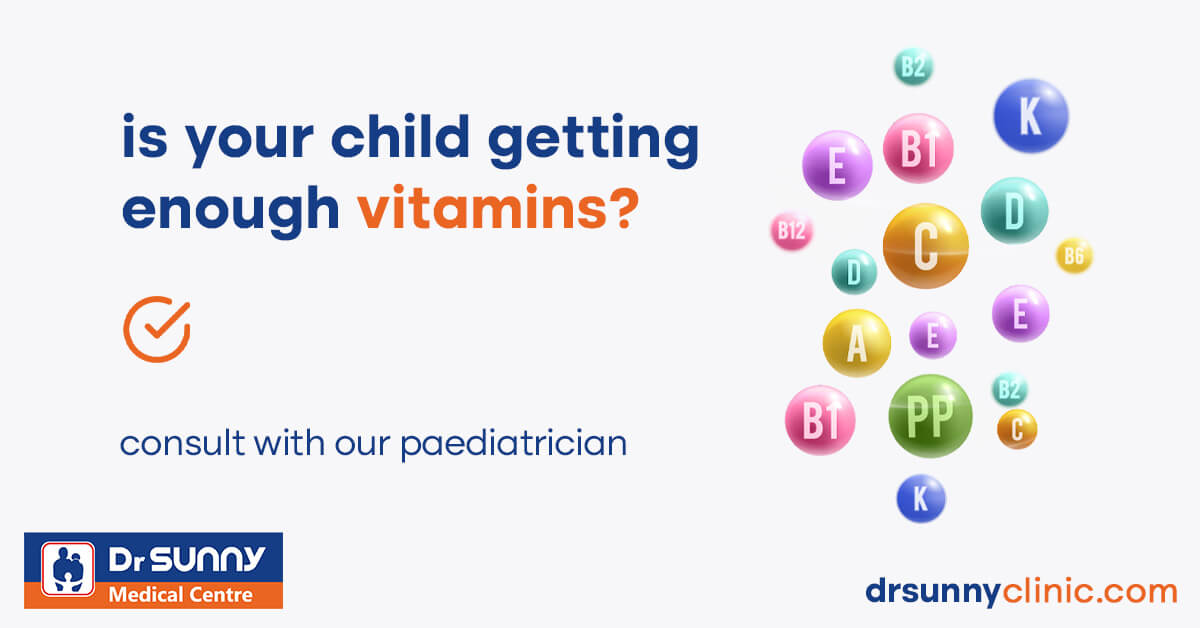
Food Variety: Make sure that you add more colours to your child’s plate and encourage your child to consume a wide range of fruits, vegetables, whole grains, lean proteins, and dairy or dairy alternatives. Different foods contain different vitamins, so a diverse diet helps ensure an adequate intake.

Vitamin-Rich Foods: Include foods that are particularly rich in essential vitamins. For example, citrus fruits are high in vitamin C, dairy products provide calcium and vitamin D, leafy greens are a good source of vitamin K, and carrots and sweet potatoes are rich in vitamin A.

Balanced Meals: Aim for balanced meals that include a combination of macronutrients (carbohydrates, proteins, and fats) along with vitamins and minerals. This can help ensure that your child is getting a variety of nutrients.

Regular Check-ups: Schedule regular check-ups with our pediatrician. They can assess your child’s overall health, growth, and development, and provide guidance on nutrition and vitamin needs specific to your child.

A healthy diet can have a positive impact on the overall well-being of your child such as improving their minds, elevating their moods, and helping them maintain a healthy weight. It’s always a good idea to consult with an experienced pediatrician in case you have any doubts. Contact our expert pediatricians for personalized advice regarding your child’s nutrition and vitamin requirements.
How to manage Pediatric asthma?

Pediatric asthma

How to manage Pediatric asthma?

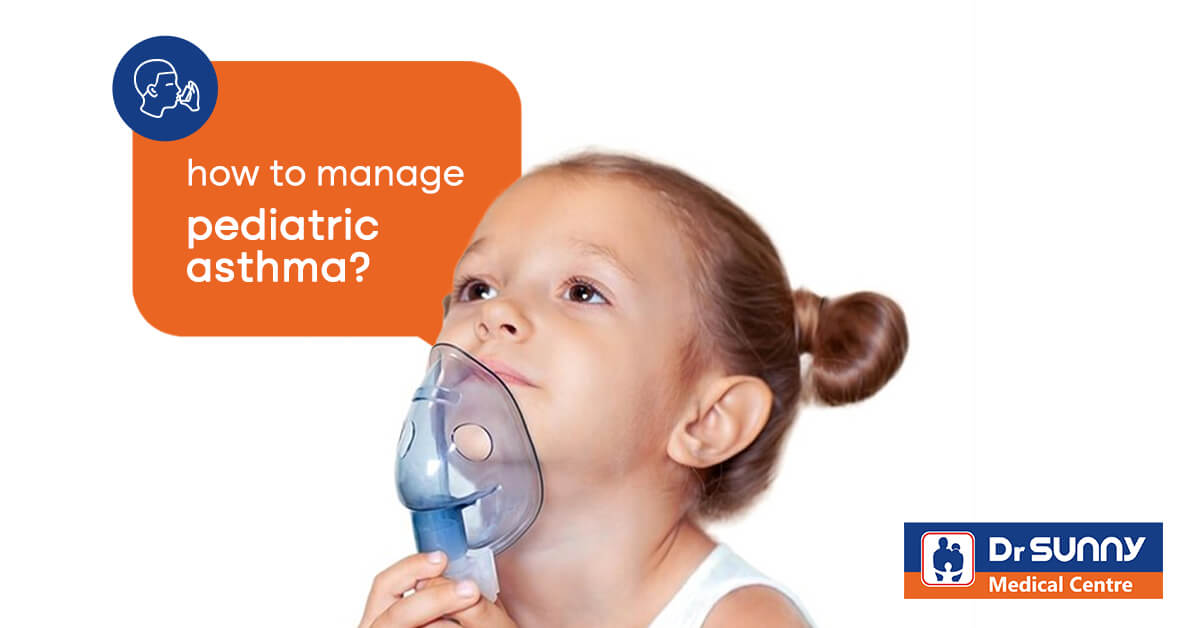
Pediatric asthma has become a cause of concern for many parents. At Dr. Sunny Medical Centre our expert pediatricians with their wealth of knowledge and experience have helped several pediatric asthma patients to manage the health issue and improved their quality of life. There are few factors that can help in managing the health concern that bothers your little ones. Interested to know more, keep reading this post.

Consulting with best pediatricians: Consulting a pediatrician who specializes in asthma management is the most important factor to follow. If you seek help from our pediatricians they will evaluate the child’s symptoms, conduct tests if necessary, and develop an individualized treatment plan.

Medication adherence: As parents you need to make sure that your child follows the prescribed medication regimen strictly. Medications for pediatric asthma may include quick-relief medications (e.g., bronchodilators) to provide immediate relief during an asthma attack, as well as long-term control medications (e.g., inhaled corticosteroids) to manage and prevent asthma symptoms. Ensure that the child takes the medications as instructed by our pediatrician.

Asthma action plan: Our pediatricians will develop an asthma action plan to outline the steps to be taken in case of an asthma attack, including appropriate medication use and when to seek emergency medical care.

Trigger identification and avoidance: One of the most imperative factors to manage pediatric asthma is to identify potential triggers that worsen the child’s asthma symptoms, such as allergens (e.g., pollen, dust mites, pet dander), irritants (e.g., tobacco smoke, strong odors), and respiratory infections. Our pediatricians make sure to tell parents to take measures to minimize exposure to triggers, such as using allergen-proof mattress covers, maintaining a clean and dust-free environment, avoiding smoking in the child’s presence, and promoting regular hand washing to reduce the risk of infections.

Vaccinations: Prevention is better than cure and following this adage one of the best ways to protect your little one from asthma is to get your children vaccinated. Ensure that the child receives recommended vaccinations, including the annual influenza vaccine, as respiratory infections can trigger asthma exacerbations.

Regular follow-up visits: Schedule regular follow-up visits with our pediatricians to monitor the child’s asthma control, adjust medication if needed, and address any concerns or questions.

Education and self-management: Besides providing a treatment plan and medications the thing that sets apart our pediatricians is that they make sure to educate children as well as the parents about asthma, including its symptoms, triggers, and proper medication use. Our doctors encourage the child to be actively involved in managing their asthma and recognizing early signs of worsening symptoms.

Each child’s asthma management plan differs, therefore it is crucial to consult with our expert pediatricians for personalized guidance and treatment. If your little one is suffering from asthma your search for ‘best pediatrician near me’ should end at Dr. Sunny Medical Centre. Call us now to book an appointment with our pediatricians today.

Unlock Your Best Look with Laser Beard Shaping for Men

Laser Hair Removal for Men

Unlock Your Best Look with Laser Beard Shaping for Men

Do you want a perfectly sculpted beard that enhances your cheekbones and elevates your aesthetic appearance? If yes, say goodbye to traditional grooming methods like shaving and waxing and choose laser beard shaping service at Sunny Derma. Get your desired smoother and more refined look without any hassles.

What Is Laser Beard Shaping?

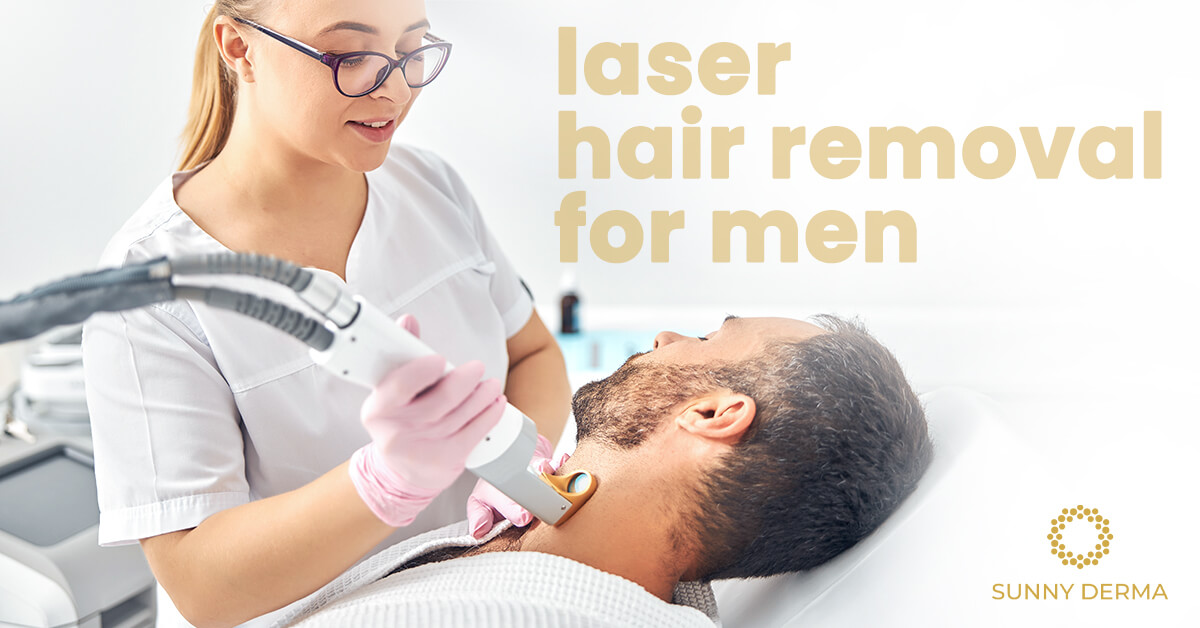
Laser beard shaping is a cutting-edge procedure designed to precisely target and eliminate unwanted facial hair. This treatment is perfect for men who want a well-defined beard line without the drawbacks of traditional grooming methods. By using advanced laser technology, we can sculpt your beard with precision, leaving your skin unharmed.

Why go for laser beard shaping?

Efficiency: Daily shaving can be time-consuming. Laser beard shaping provides a long-lasting solution, saving you time and effort.

No irritation or razor burns: Most men would have experienced cuts and irritation while using razors and it can be painful and unsightly. With laser beard shaping, you can avoid these common woes.

Achieve Any Look: Whether you prefer a classic goatee, a full beard, or a clean-shaven appearance, laser beard shaping can help you achieve the desired look effortlessly.

If you’re seeking a well-groomed beard without the hassles of constant upkeep, laser beard shaping is the answer. Don’t let stubble ruin your sculpted look or endure the discomfort of razor cuts and ingrown hairs. Experience the freedom and confidence that comes with laser beard shaping at Sunny Derma.

Why Choose Sunny Derma?

As a leading provider of laser treatments in the UAE, Sunny Derma is committed to delivering the best results. Our expert dermatologists are dedicated to helping you achieve your dream look with the latest techniques and practices.

Start your journey towards a hassle-free, well-defined beard by simply scheduling an appointment. For any further questions contact us today.

What to expect during a well-baby clinic visit?

What to expect during a well-baby clinic visit B (1)

What to expect during a well-baby clinic visit?

The initial years of your little one will be packed with a plethora of things that are going to be completely new for you. One such thing will be those well-baby visits that will be scheduled by our pediatricians to ensure the health and well-being of your baby. Well baby visits are crucial for your child as through these appointments our children’s doctors will make sure that your child is growing well, feeding well, and is following the recommended immunization schedule.

If you are a new parent and want to know what well baby visits are, their importance and what you should expect during the visits keep reading this post.

What are well-baby visits?

Well-baby visits are scheduled at regular intervals during the first two years of the baby’s life. This is different from other visits for sickness or injury. At a well-baby visit, the doctor or nurse can help catch any problems early, when they may be easier to treat.

Importance of well-baby visits

Immunization: Immunization is essential part of all well baby visits. Our pediatricians will ensure timely immunization as per their age.

Monitoring Growth & development: There are several age-appropriate milestones that babies will hit as they grow. For instance, between the age of 4-6 months the baby will start rolling back and forth or by the age of 14 months will start walking without support. Though there can be slight variation in hitting these milestones as every baby is unique but delay in achieving these milestones can indicate an underlying health issue. During these well-baby visits our doctors will monitor if your kid is meeting all the developmental milestones and if not, our doctors can probe what is causing the delay.

Managing Common Illnesses: Newborns and toddlers are often at risk of getting common illnesses such as cold or fever as their immunity is still developing. You can get a clinical solution to these common illnesses during the well-baby visit.

Addressing parents’ concerns: Parents have several concerns regarding the sleeping patterns and feeding issues of the newborn. You can discuss these concerns with our pediatricians who will guide you in the best way.

Dietary advice: Many parents are worried about the toddler’s eating habits. Sometimes they are worried if the baby is getting all the essential minerals and vitamins through their diet. If you are also one such parent our pediatricians can give you proper diet advice that can help your baby to grow well without any deficiency.

If you are searching for the ‘best pediatrician near you’ your search should end with Dr. Sunny Medical Centre. If you want the well baby visits to be perfect book an appointment with us today.

Cosmetic Treatments to Conquer all your Skin Concerns

Cosmetic Treatments to Conquer all your Skin Concerns

Cosmetic Treatments to Conquer all your Skin Concerns

Do you also dream of getting dewy and flawless skin like the lead actors of your favourite K-drama, but skin concerns like fine lines, pigmentation, acne, signs of ageing bothering you? They won’t trouble you anymore if you decide to visit Sunny Derma. We have the best cosmetic treatments to conquer all your skin concerns. Interested to know our popular cosmetic treatments, don’t skip reading this post.

Our specialist dermatologists are experts in providing several cosmetic procedures based on your skin type and concern. Let’s have a look at some of the most common concerns and treatments available at Sunny Derma for the best possible results.

Acne: Acne is a common skin condition that not only bothers the teens but is also a cause of concern in adults. Even if acne disappears after some days but the scars, they leave behind become a forever concern. 

At Sunny derma we can treat both acne as well as acne scars. We have a specialized facial christened Acne-free facial that can efficiently fight active pimples and it can be combined with other acne treatments such as microneedling and chemical peels after assessing the cause of acne breakout and skin type of the patient. These treatments will not only get rid of the acne but also get rid of the stubborn acne marks.

Signs of ageing: Fine lines, wrinkles, cheeks and lips losing their volume are all considered as signs of ageing. As you guessed it, we have cosmetic solutions for all these ageing related problems.

Our popular anti-ageing treatments include medifacials such as ultra-youth facial, carbon facial that can keep people guessing about your real age. Other than facials we have botox treatment to reduce fine lines and wrinkles. Fillers that can help you with increasing volume of your cheeks and lips. Thread lift that can help gently ‘lift’ the mild sagging that occurs as we age.

Dark Circles: Hectic schedules, stress, not getting enough sleep can all lead to the darkening of your skin under your eyes. If you are tired of concealing those dark circles you can opt for our eye lightening procedure that can give you amazing results. You can also opt for PRP or Mesotherapy based on the severity of the dark circles.

Pigmentation: Pigmentation is a common problem faced by many individuals and is caused by the deposition of the pigment melanin. Overexposure to sun or even some genetic issues can trigger pigmentation. We have different procedures in place to treat pigmentation including cosmetic peels, mesotherapy to lasers. For instance, if you want to get rid of pigmentation on your lips you can opt for our lip lightening procedure that makes use of both cosmetic peels as well as laser.

Obvious Pores: Skin pores is common for all age groups, and if enlarged pores are bothering you we can help minimizing them with our special sunny facials. Our H-ydra facial and acne-free facial can help greatly in minimizing the open pores.

Unwanted body Hair: Unwanted body hair can be a concern for a lot of individuals and shaving and waxing on a regular basis can be a frustrating experience. To help you out with this issue we offer the safest and best laser treatment in Sharjah.

No matter what your skin concern is, you can book an appointment with us to schedule a consultation with our ace dermatologists. With their wealth of experience they can guide you about the best possible treatment that will put a full stop to all your skin worries.

Get kids school ready with Flu shot

Get kids school ready with flu shot

Get Kids School Ready with Flu Shot

It’s back to school time, but before sending them to school make sure they are protected against illnesses like Inflluenza. Influenza, commonly known as the flu, is a contagious respiratory illness caused by influenza viruses. It affects people of all ages, including children, and can lead to serious complications, especially in vulnerable populations.

The best way to help kids stay in school and ready to learn is by making sure that they take the flu shot.  It’s especially important for children with underlying health conditions, as they are at higher risk for severe flu-related complications. Schedule an appointment with us today for the flu shot.

Here are some important things parents should know about influenza:

Vaccination: Annual flu vaccination is the most effective way to prevent influenza and its complications. The vaccine is recommended for everyone aged 6 months and older, including children. It’s especially important for children with underlying health conditions, as they are at higher risk for severe flu-related complications. It’s best to get vaccinated before the flu season begins, which typically peaks in winter.

Prevention: Apart from vaccination, other preventive measures include practicing good hand hygiene, covering the mouth and nose when coughing or sneezing, avoiding close contact with sick individuals, and keeping your child home from school or daycare if they are unwell.

Symptoms: Flu symptoms often include fever, cough, sore throat, runny or stuffy nose, body aches, headache, fatigue, and sometimes vomiting or diarrhea in children. Symptoms usually appear suddenly and can be more severe than those of a common cold.

Transmission: Influenza spreads through respiratory droplets when an infected person coughs, sneezes, or talks. It can also spread by touching surfaces or objects contaminated with the virus and then touching the mouth, nose, or eyes.

High-Risk Groups: Certain groups, such as children under 5 years old (especially those under 2), children with chronic medical conditions, pregnant women, and those with weakened immune systems, are at higher risk for flu-related complications. They should take extra precautions and seek medical care promptly if flu symptoms arise.

Complications: Influenza can lead to complications like pneumonia, bronchitis and ear infections, and worsening of chronic medical conditions like asthma. Watch for signs of severe illness, such as difficulty breathing, persistent high fever, dehydration, and changes in mental status, and seek medical attention if necessary.

It’s important to consult with a pediatrician for specific guidance and recommendations tailored to your child’s individual health needs and circumstances. To prevent all these complications, book an appointment with our pediatrician and make sure that your little bundle of joy gets the flu shot before he/she goes back to school.


Is fever normal in babies after vaccination?

Is fever normal in babies after vaccination

Is fever normal in babies after vaccination?

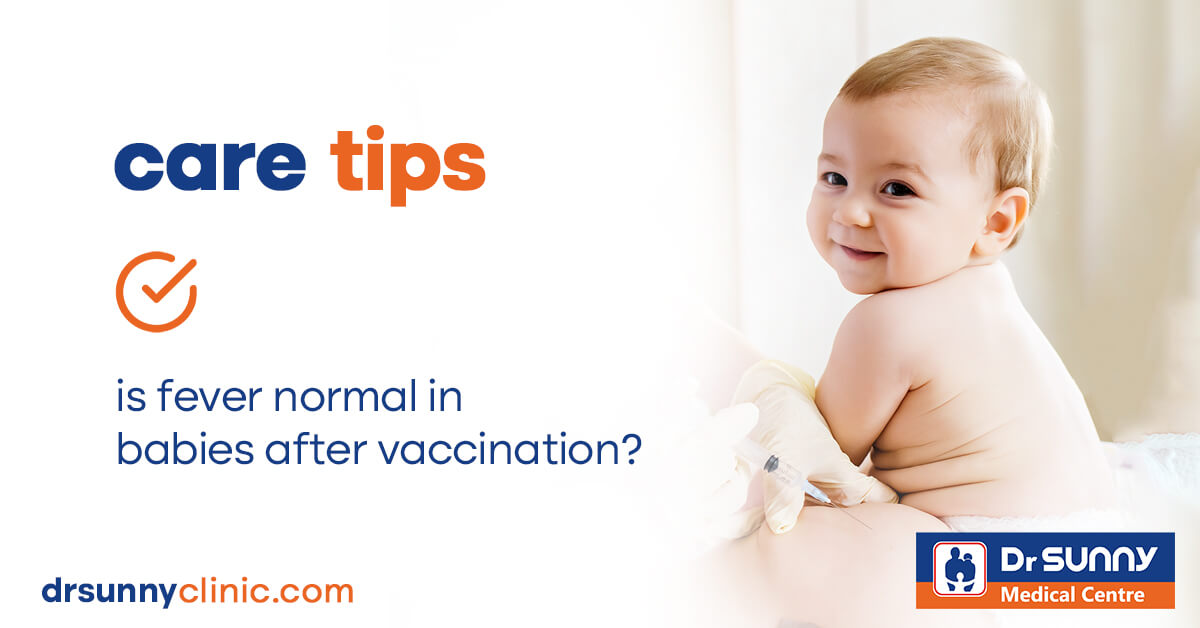
Did your baby experience fever after he/she was administered a vaccine? If yes, it is normal as fever is one of the common side effects that can occur after immunization. It is not uncommon for babies to experience a mild fever after receiving vaccinations. It is the body’s natural response to the vaccine as it activates the immune system. Fever generally occurs within 24 to 48 hours after vaccination and typically resolves on its own within a couple of days.

In most cases, a low-grade fever (below 100.4°F or 38°C) is considered normal and is not a cause for concern. It is a sign that the body is responding to the vaccine and building immunity.

It’s important to note that fever after vaccination is generally a temporary and mild reaction. Most babies tolerate it well and experience no further complications. To help manage your baby’s fever, parents can offer them plenty of fluids, dress them in lightweight clothing, and monitor their temperature closely. Your pediatrician may also recommend appropriate fever-reducing medication if necessary.

Remember, vaccination is a crucial step in protecting your baby against serious illnesses, and the benefits of immunization far outweigh the temporary discomfort of a fever. Your pediatrician or healthcare provider can provide you with more specific information and guidance based on your baby’s individual circumstances.

How should parents take care of kids after vaccination?

  • Cuddle and comfort the child.
  • Provide medication prescribed by your pediatrician if your child is experiencing fever.
  • Offer more liquids as children may not want to eat much during the first 24 hours of the vaccination.

It is important to consult a good pediatrician for personalized medical advice regarding your baby’s health and any concerns you may have. If you are concerned about the fever in children after they have been administered a vaccine, book an appointment with our expert pediatricians today.

What Is a Developmental Delay?

What Is a Developmental Delay - consult pediatrician

What Is a Developmental Delay?

Is your child unable to roll on both sides even after six months or doesn’t speak even after you celebrated his third birthday? All this might be an indication of developmental delay. Development delay refers to a significant lag or slowness in a child’s development compared to typical milestones expected for their age group. It means that a child is not reaching developmental milestones at the expected time or is acquiring skills at a slower pace than their peers. Developmental delays can affect various areas of a child’s development, including physical, cognitive, communication, social, and emotional development. If you want to know more about the developmental delays, the causes and what should be done if you suspect developmental delays in your kids, keep reading this post.

Cause of Developmental Delays

Developmental delays can be caused by various factors, such as genetic conditions, birth complications, premature birth, environmental factors, or certain medical conditions. They can manifest in different ways depending on the specific area of development affected. For example, a child with a motor delay might have difficulty sitting, crawling, or walking, while a child with a communication delay may struggle with speech and language skills.

How We Can be of Help?

It is important to note that developmental delays are not necessarily permanent or indicative of a long-term disability. With early identification and appropriate interventions, many children can make significant progress and catch up to their peers. Early intervention services, such as therapies and specialized educational programs, are often recommended to support a child’s development and address any underlying challenges.

This is where you can rely on us, we at Dr. Sunny Medical Centre offer monitoring growth & development for children. Our expert pediatricians thoroughly examine your little ones during each visit to ensure that they are developing well.

To sum it up, if you suspect that your child may have a developmental delay, it is recommended to consult with our specialist pediatricians who will conduct assessments and provide appropriate guidance and interventions tailored to your specific needs. Remember early intervention is the key to help your child in such cases, so why wait to call. Book an appointment today.


Common Childhood Infections

Common Childhood Infections - best pediatrician

Common Childhood Infections

Children are more likely to fall sick in comparison to adults as their immune system is still underdeveloped and they are at higher risk of exposure to germs. As parents you should be aware of the common infectious diseases prevalent in children and know when to seek medical help. Here are a few common childhood infectious diseases that you need to look out for:

Stomach Flu: If your little one is complaining of stomach pain it might not be just another excuse to bunk school but may be an indication of gastroenteritis, commonly referred to as the stomach flu. It is usually caused by viruses such as rotavirus or norovirus. It leads to diarrhea, vomiting, abdominal pain, and sometimes fever.

Common Cold: The common cold is caused by a variety of viruses, including rhinoviruses. It is characterized by symptoms such as a runny nose, cough, sore throat, and mild fever.

Influenza (Flu): Influenza is a viral infection that causes high fever, body aches, cough, sore throat, and fatigue. It can be particularly severe in young children.

Strep Throat: Strep throat is a bacterial infection caused by group A Streptococcus bacterium. It leads to a sore throat, pain while swallowing, swollen tonsils, and sometimes is also accompanied by fever.

If your kids are showing symptoms of any of the above-mentioned infections, it is important that you consult our expert pediatricians for the best possible treatment and quick relief from the health concern. If you have any questions or need any further information you can contact us and book an appointment today.

Beat Excessive Sweating with Botox

best botox for excessive sweating

Do you feel embarrassed about the sweat stains under your arms? Does it hamper your confidence while being a part of a business or social gathering? If so, you are not alone as excessive sweating (Hyperhidrosis) is a common problem faced by most of us. Excessive sweating may also be experienced on the palms or soles of the feet. People suffering from hyperhidrosis can find few daily tasks difficult. In some severe cases people suffering from hyperhidrosis may find it difficult to hold a pen or even grip a car steering.

Causes of Excessive Sweating are:

Neurologic, endocrine, infectious and other systemic diseases can trigger hyperhidrosis, most cases occur in people who are otherwise healthy. Heat and emotions may also cause hyperhidrosis, but people who suffer from hyperhidrosis sweat regardless of their mood or weather.

Treatment

After analyzing the causes and triggers of hyperhidrosis, your doctor can suggest a judicious treatment and most people suffering from this annoying disorder can achieve great results and improved quality of life.
Botox, usually associated with cosmetic treatments like wrinkle and fine line reduction is an effective treatment for hyperhidrosis. Botox injection uses botulinum toxin that blocks the nerve signals responsible for sweating, hence stopping the sweat glands from producing too much sweat. Botox injection is mostly successful when excessive sweating is confined to one area of the body. The underarms, particularly respond well.

The procedure is quick and simple. The area that needs to be treated is coated with numbing cream one hour prior to taking the injection. The physician then will clean the area and inject with tiny needles. Temporary bruising, swelling or tenderness may be noticed after the procedure. It typically takes five days to start seeing the results partially and two weeks to see full results.

Botox treatment is not recommended for women who are pregnant or for people with history of neuromuscular disorders.

Book a consultation with our Specialist Dermatologist