Veneers – Smile transformations

Veneers – Smile transformations

Experience the magic of veneers and witness stunning smile transformations. Our cosmetic dentist will craft customized veneers that will give you the smile you’ve always dreamed of. Say goodbye to stained, chipped, or misaligned teeth and hello to a flawless, captivating smile.

Dietary advice for kids to keep chronic diseases at bay

dietary advice - best pediatrician

Dietary advice for kids to keep chronic diseases at bay

Living a healthy life will be one of the most precious lessons you would teach your children. Health is the ultimate wealth and children should learn this from an early age. However, now a days kids are mostly consuming processed food rather than a wholesome home cooked meal. Processed food can have a negative impact on the lives of your children in the long run.

Knowing what kind of food children should include in their diet can have a positive impact on their overall wellbeing. Maintaining a healthy diet can prevent the onset of many chronic diseases. Healthy eating habits must be practiced from a young age so that they become an inevitable part of the adult lifestyle. Here are few dietary advice approved by our expert pediatricians that can benefit your child to lead a healthier life:

Be a Role Model: Kids mostly pick up their eating habits from their parents. So as parents you should lead by example and should avoid munching on unhealthy snacks and try to include more nutritious food in your own plate.

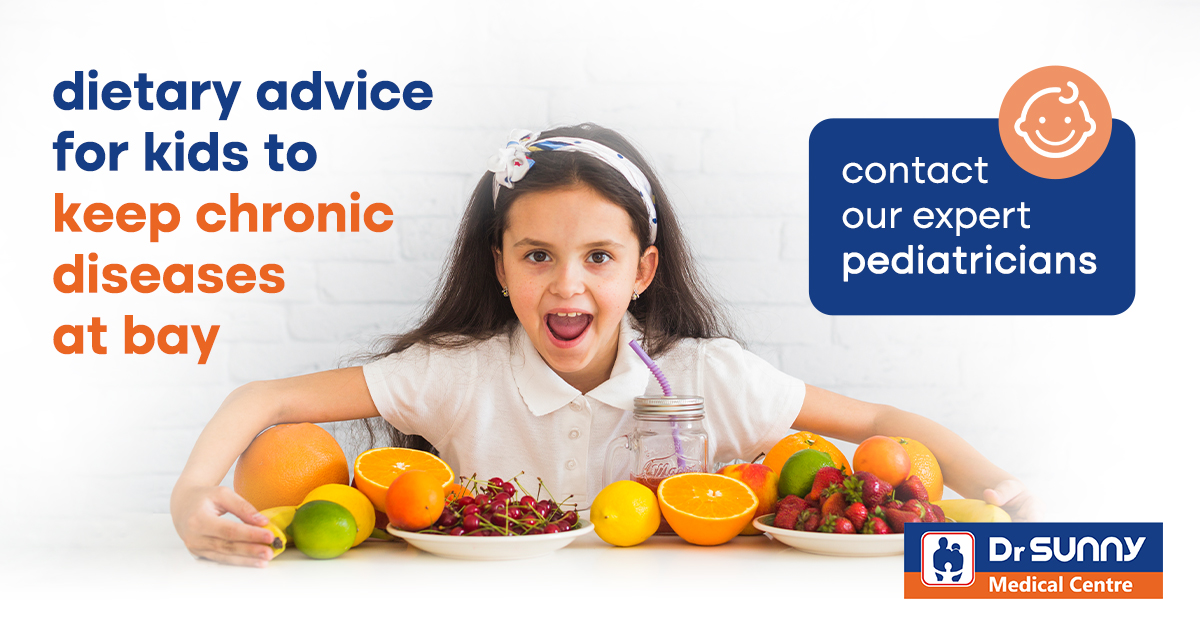
Include more colours: You can make your child’s plate look more interesting by adding more colours to their plate. For instance, if you give them fruits which are loaded with fibers & antioxidants as snacks try to include more variety, maybe a mix of Kiwis & Mangoes on their tiny plate will make them finish it quickly.

Limit Sugary Snacks & Drinks: Though kids love to eat chocolates, candies and processed juices but as parents you should limit such snacks & drinks from becoming a regular in their diet. In the longer run these processed sugary drinks and snacks can lead to several health issues including Type 2 diabetes.

Make Sure they Stay Hydrated: During Summer kids can get dehydrated quickly, to avoid this parents should make sure that they are drinking enough water during regular intervals to avoid health issues such as infectious diarrhea.

If your child is a picky eater or is obese and you need a specific diet chart for them, you can contact our expert pediatricians and book an appointment today to get the answers to all concerns related to the diet of your child.


7 Benefits of Dermal Fillers

dermal fillers in sharjah

7 Benefits of Dermal Fillers

Do you want to reduce wrinkles, enhance your facial features, or restore volume to areas that have lost fullness? If yes, then simply go for modern fillers, also known as dermal fillers or soft tissue fillers. Used in cosmetic dermatology, fillers have a myriad of benefits including: 

Wrinkle Reduction: Fillers can effectively reduce the appearance of wrinkles and fine lines on the face. They are commonly used to address smile lines (nasolabial folds), marionette lines, crow’s feet, and forehead wrinkles. By injecting the filler into the targeted areas, the skin becomes smoother and more youthful looking.

Volume Restoration: As we age, we tend to lose volume in certain areas of the face, leading to a hollow or sunken appearance. Skin fillers can restore volume to these areas, such as the cheeks, temples, and under-eye hollows. They can also be used to plump the lips and enhance their shape.

Non-Surgical Option: Dermal fillers provide a non-surgical alternative to more invasive procedures, such as facelifts or brow lifts. The injections are minimally invasive and generally require little to no downtime. This makes them a popular choice for individuals seeking facial rejuvenation without the risks and recovery associated with surgery. For instance, fillers like Hyaluronic Acid (HA) and Biostimulants are used to construct the chin to the desired shape.

Quick Results: The effects of skin fillers are typically visible immediately after the treatment, although there might be some initial swelling or redness. This means you can see the results right away without having to wait for an extended period.

Longevity: Modern skin fillers have improved longevity compared to older formulations. Depending on the type of filler used, the results can last from several months to over a year. Some fillers, such as hyaluronic acid-based ones, can be dissolved if desired, providing flexibility and control over the outcome.

Customizable Treatments: Skin fillers allow for precise and customizable treatments. The amount of filler injected, the injection technique, and the treatment areas can all be tailored to the individual’s specific needs and desired results. For instance, if you want a chiseled jawline, you can opt for jawline definition treatment.

Safety: Fillers have a well-established safety profile when administered by a qualified medical professional. The materials used in modern fillers are generally biocompatible and have been extensively tested for safety and efficacy.

If you are considering getting a dermal filler or need more details about the same, you can contact our expert dermatologists for the best guidance. So why wait, book your appointment straight away.

Tips for Increasing Children’s Activity Levels

child doctor pediatrician

Tips for Increasing Children’s Activity Levels

A child’s job is to play, but now a days play includes more screen time and less physical activity. Encouraging kids to be more active physically has loads of benefits but parents find it difficult to do so as most of the time kids are glued to the screens. If you are looking for tips to solve this problem, keep reading this blog.

First let us look at the benefits of promoting physical activity in children:

  • Building strong bones & muscles
  • Enhances social skills
  • Helps in improving brain function
  • Better sleep patterns
  • Improves balance
  • Improves cardiovascular fitness
  • Improves mental health (increased self-esteem)

If you are parents of young children and want to make physical activity a part of their daily routine the following tips can prove helpful:

Lead by example: Children often imitate the behaviors they see in their parents and child care professionals. Make sure you’re leading an active lifestyle and engaging in physical activities regularly. Let them see you enjoying exercise and being active.

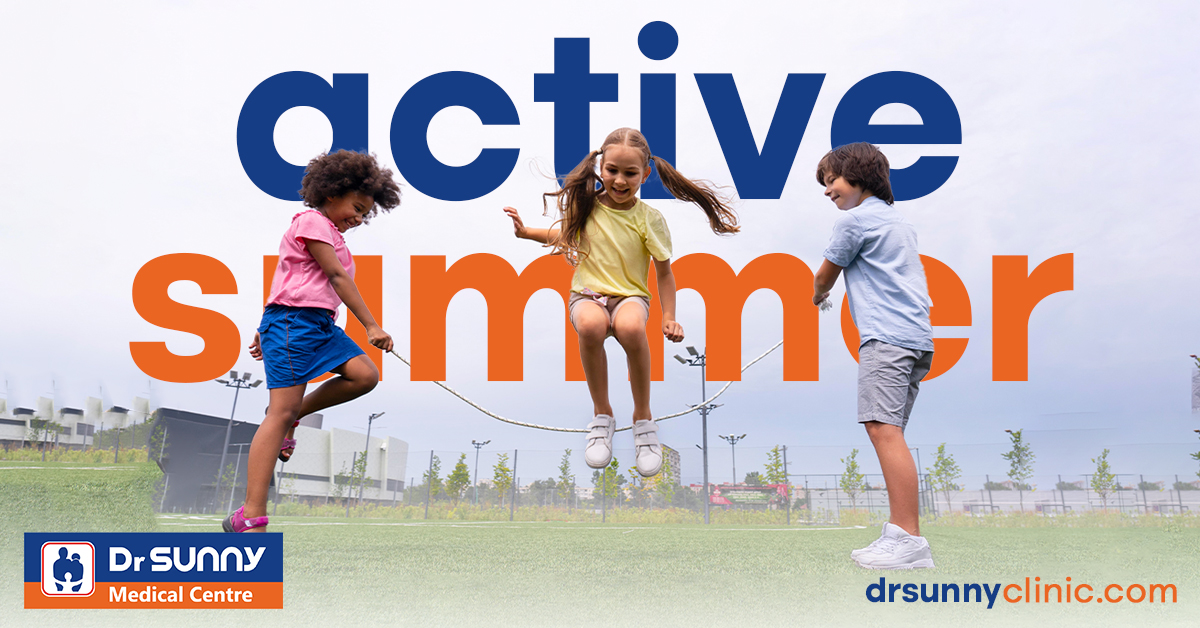
Provide opportunities for active play: Create an environment that encourages active play. Have a variety of toys, games, and sports equipment available to your child, such as balls, jump ropes, bicycles, and hula hoops. Encourage them to engage in activities like running, jumping, climbing, and playing tag.

Limit screen time: Setting reasonable limits on screen time, including TV, video games, smartphones, and tablets may seem difficult, but it is doable. Encourage your child to spend more time outdoors or engage in active hobbies instead.

Fun Physical activities: Find activities that your child enjoys. It could be dancing, swimming, cycling or playing a sport. Make physical activity fun and enjoyable so that they look forward to it.

Family activities: Plan family activities that involve physical movement. Go for walks, bike rides, or play games together in the park. This not only promotes physical activity but also strengthens family bonds.

Organize playdates: Set up playdates with other children who enjoy being active. This can encourage your child to engage in group activities, sports, and games that require physical exertion.

The above-mentioned tips should be taken into consideration after keeping in mind your child’s age, abilities, and interests. If you are someone who leaves the kids with babysitters, or part-time nannies you can share these tips with them.

If you still want to seek the guidance of a pediatrician for a more detailed perspective, you can book an appointment with us today.

Zirconia Crowns: Everything you need to know

best dental crown zircon crown bridge teeth dentist

Zirconia Crowns: Everything you need to know

Dental crowns are used to restore damaged or decayed teeth and improve their appearance and functionality. A crown helps in maintaining the size, form and strength of natural teeth. There is a wide range of materials to choose from when making dental crowns, including metals, porcelain, resin, and ceramics. Recently, zirconia has gained popularity as a favorable option due to its numerous proven advantages.

Here’s everything you need to know about zirconia crowns:

Material: Zirconia is a type of ceramic material that is known for its strength and durability. It is made from zirconium dioxide, a white crystalline oxide.

Aesthetics: Zirconia crowns are highly regarded for their natural appearance. They can be color-matched to the surrounding teeth, resulting in a seamless and esthetically pleasing smile. Zirconia has a translucent quality that mimics the look of natural teeth, making it a popular choice for front teeth restorations.

Strength and Durability: Zirconia is one of the strongest dental crown materials available. It is highly resistant to chipping, cracking, and wear, making it suitable for restoring both front and back teeth. Zirconia crowns have excellent longevity and can withstand the forces of chewing and biting.

Biocompatibility: Zirconia is biocompatible, meaning it is compatible with the human body and does not cause any adverse reactions. It is hypoallergenic and does not contain any metals, making it suitable for individuals with metal allergies or sensitivities.

Precision and Fit: Zirconia crowns are fabricated using computer-aided design and computer-aided manufacturing (CAD/CAM) technology. This allows for precise measurements and accurate fit, ensuring optimal comfort and functionality.

Minimally Invasive: Compared to traditional porcelain-fused-to-metal crowns, zirconia crowns require less tooth reduction. This means that more of the natural tooth structure can be preserved, resulting in a minimally invasive procedure.

Resistance to Staining: Zirconia crowns are highly resistant to staining, unlike some other dental materials such as porcelain. This makes them a great option for individuals who consume staining substances like coffee, tea, or tobacco.

Care and Maintenance: Zirconia crowns can be cared for like natural teeth. Regular brushing, flossing, and routine dental check-ups are essential to maintain their longevity. Avoiding excessive biting forces or using the teeth as tools can help prevent damage to the crown.

It’s important to note that while zirconia crowns offer numerous benefits, each case is unique, and it’s best to consult with a qualified dentist who can assess your specific dental needs and determine if zirconia crowns are the right option for you.

Transform your smile with Zirconia Crown

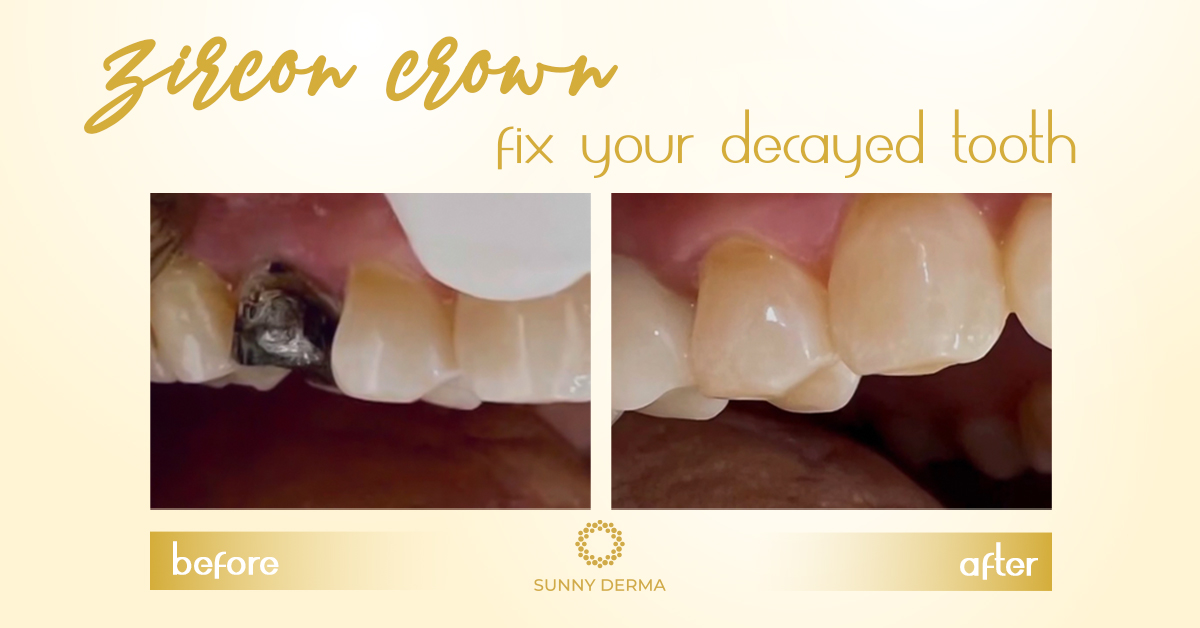
If you have a chipped or damaged tooth you can consult our expert dentists to decide if zircon crowns would suit you. If they suggest to get a zirconia crown you are in for a treat as we are currently offering up to 30% discount on the Zirconia crowns. Get in touch with us and book your consultation now.

Safe Sleep Tips for Infants

best pedia for newborn

Safe Sleep Tips for Infants

Creating a safe sleeping environment for babies is a top priority for every new parent as babies sleep for about 16 hours a day. It is important for new parents, nannies or child care professionals to be informed about safe sleeping practices to reduce the risk of injuries and issues such as Sudden Infant Death Syndrome (SIDS). If you are someone who wants to learn more about the topic keep reading this blogpost. Below are some tips for keeping your baby safe while sleeping.

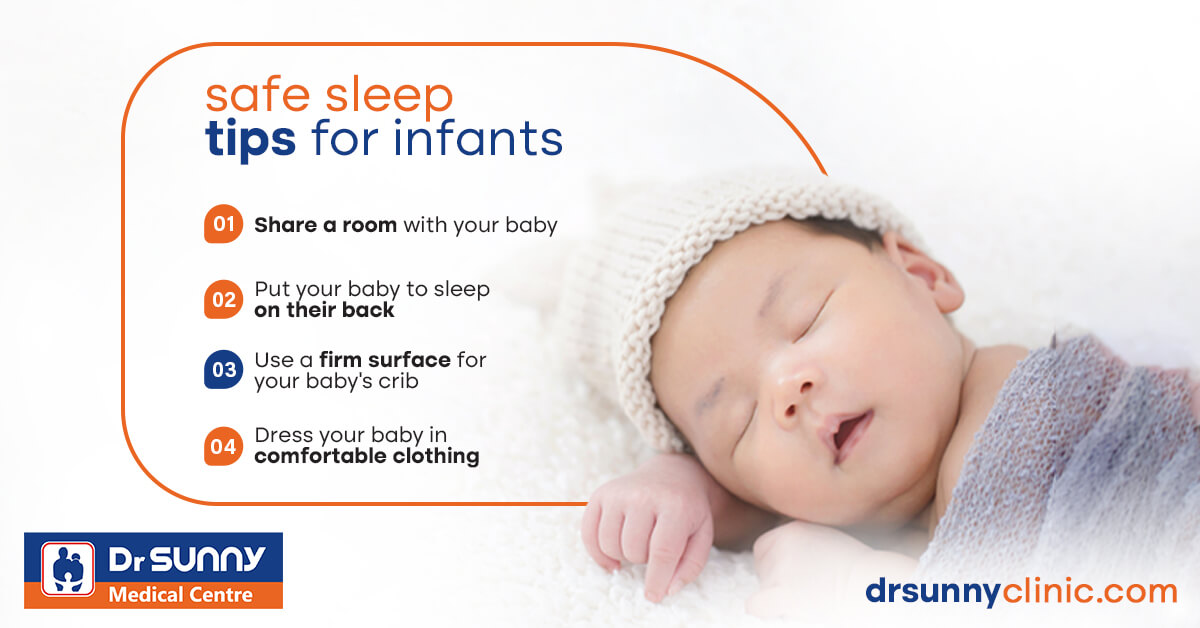
Share a room with your baby: To reduce the risk of sleep-related infant death, it is recommended to share a room with your baby and sleep close by. You can place your baby’s crib next to your bed, so you are within reach but not sharing a sleeping surface.

Put your baby to sleep on their back: Always place your baby on their back while putting them to sleep. It is not safe for a baby to sleep on their side or tummy. However, if your baby starts rolling over from their back to side or tummy and back again, it is not a problem.

Use a firm surface for your baby’s crib: Make sure the mattress in the crib is firm and there are no gaps between the frame and the mattress. Avoid placing any toys or other objects in the crib as they could put your baby in danger of being suffocated.

Dress your baby in comfortable clothing: When putting your baby to sleep, avoid covering their head and remove any strings or ties from their clothing. Ensure the room is at a comfortable temperature.

Avoid letting your baby sleep in a carrier, sling, or stroller: If your baby falls asleep in a carrier or sling, be sure to transfer them to their crib as soon as possible.

No matter how much you read up on parenting or get advice on newborn baby care from family or friends you still feel under prepped. You need not worry because we are here to clear up your doubts. You can consult our children’s doctor to help you create a safe sleeping environment for your baby or even get our newborn care services to help you. Call us today to book our services.

A Guide to Seasonal Allergies in Kids

A Guide to Seasonal Allergies in Kids

A Guide to Seasonal Allergies in Kids

Seasonal allergies in kids are a common health issue. They are usually caused by allergens such as pollen from trees, grass, and weeds, as well as mold spores. As a parent the symptoms of seasonal allergies can be worrisome for you as it can affect your child’s day-to-day life. If you are looking for some guidance to understand seasonal allergies in kids and how to manage them this blogpost is for you.

Common Symptoms of Seasonal Allergies:

The most common symptoms of seasonal allergies in kids include:

  • Runny or stuffy nose
  • Sneezing
  • Itchy or watery eyes
  • Scratchy throat
  • Ear congestion
  • Headache
  • Fatigue

How to Diagnose Seasonal Allergies:

If your child is experiencing the above-mentioned symptoms during a particular season, it may be an indication of seasonal allergies. An allergy test can confirm it and help identify which specific allergen is causing the symptoms.

How to Manage Seasonal Allergies

There are several ways to manage seasonal allergies in kids. Such as:

  • Reduce exposure to allergens: Keep your child indoors during peak pollen times, use air purifiers and air conditioning, and close windows and doors.
  • Make sure your child practices good hygiene: Regular hand washing can help reduce exposure to allergens that may be on your child’s hands.
  • Use allergy medications: Antihistamines, nasal corticosteroids, and decongestants can help relieve allergy symptoms. But always consult with a pediatrician or healthcare provider before giving any medication to your child.
  • Consider allergy shots: Allergy shots are a form of immunotherapy that can help reduce the severity of allergy symptoms over time. These are usually recommended when other treatment options do not work.

When to See a Doctor

If your child’s allergy symptoms are affecting their quality of life, or if they have severe symptoms such as difficulty in breathing, it is important to consult our pediatrician immediately. If you want the best solutions for seasonal allergies in your kids, book an appointment today with our expert pediatricians.

Dehydration in Children & Babies

Dehydration In Children And Babies pediatrician

Dehydration in Children & Babies

As the temperature soars, so do the odds of dehydration in children and babies. Simply put, dehydration is when there is not enough water in the body.

What Causes Dehydration?

Children may feel dehydrated owing to various reasons. For instance, if they are suffering from diarrhea or vomiting or have been playing in the scorching sun for too long. Sometimes children may not be drinking enough water which can also contribute to dehydration.

Common signs of dehydration in children

Parents can figure out if their child is dehydrated if they notice any of the following symptoms:

  • a dry or sticky mouth
  • few or no tears when crying
  • Sunken eyes
  • in babies, the soft spot on top of the head looks sunken
  • urinating less or wetting fewer diapers than usual
  • crankiness
  • drowsiness or dizziness

How to prevent dehydration?

To prevent dehydration in children and babies, it is important to monitor your child’s fluid intake and ensure that they are getting enough fluids especially in hot weather or when they are sick. Breast milk or formula is generally sufficient for babies, while older children should drink plenty of water.

When to seek medical attention?

Dehydration can be a serious concern for children and babies, as they are more vulnerable to the effects of dehydration than adults.

If you suspect that your child or baby is dehydrated, it is important to seek medical attention immediately. In severe cases, dehydration can lead to serious complications such as seizures or even coma. Contact your doctor immediately if you notice the following symptoms:

  • Your child has vomit that’s bright green, red, or brown
  • Child refuses to start eating some food within 3-4 days
  • has signs like a dry mouth, peeing less often (or fewer wet diapers in babies), fewer tears, or sunken soft spot (in babies)
  • vomits more than a few times in 24 hours
  • doesn’t seem to be getting better

If you are concerned about dehydration in your baby or child you can book an appointment with our expert pediatrician who will guide you for the best possible treatment.

What’s the best facial to get acne-free skin?

Acne treatment

What’s the best facial to get acne-free skin?

Everyone dreams of having flawless skin, but acne breakouts can crush these dreams. Acne is a common problem and facials can help in getting rid of them.

Though there isn’t a one-size-fits-all answer to the best facial for acne treatment, as different individuals may have varying skin types and concerns. However, several facials have shown effectiveness in helping to improve acne-prone skin. Here are a few which are quite popular:

Chemical Peel: Chemical peels involve applying a solution to the skin that exfoliates the outer layer, helping to unclog pores and reduce acne. Peels with ingredients like salicylic acid or glycolic acid are commonly used for acne-prone skin.

Microneedling: This procedure exfoliates the skin, removing dead skin cells, promoting cell turnover and revealing fresher, smoother skin. It can help reduce the appearance of acne scars and improve overall skin texture.

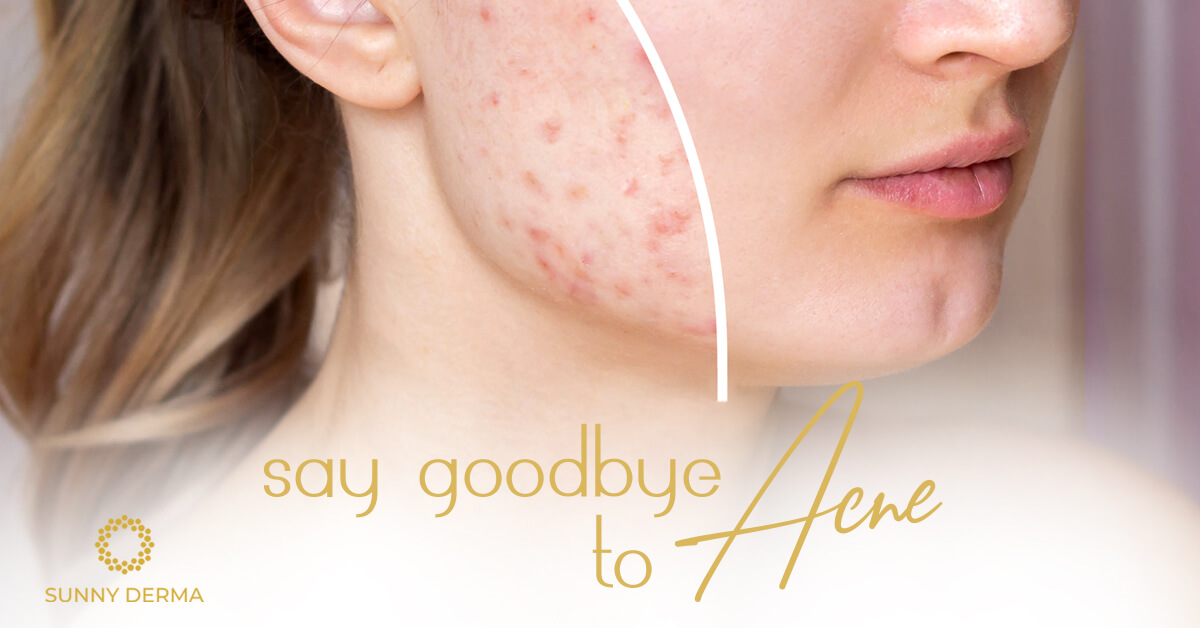
Sunny Derma’s Acne-free Facial: If you want to remove the excess oil, minimize open pores, reduce active pimples, get rid of black heads, Sunny Derma’s acne-free facial is the best treatment for you. Besides cleansing, scrubbing and comedo extraction this facial uses h-dra vacuum to remove the dead skin cells and excess oil for cleaner pores.

It’s important to note that while facials can be helpful for acne, they should be combined with a comprehensive skincare routine and lifestyle habits that promote healthy skin. Additionally, it’s recommended to consult with a dermatologist or skincare professional who can assess your skin’s specific needs and recommend the best facial treatment for you.

If you want to say goodbye to acne and get clear skin, you need to opt for Sunny Derma’s acne-free facial now. Call us today to book your appointment.

Why Should You Keep Teens Active During the Summer

Keep Teens Active During the Summer blog

Why Should You Keep Teens Active During the Summer

Adolescents eagerly look forward to summer vacations to enjoy the much-needed break, but as parents it is your responsibility to make sure that they do not spend the whole vacation just sleeping or sitting in front of the screens.

Ensuring that teens stay active during the summer is imperative for their physical as well as mental health. Regular physical activity is the key to prevent chronic diseases such as obesity, type 2 diabetes, and heart disease, as well as improving mood, reducing stress, and boosting cognitive function.

Wondering how to keep your teens active this summer? Here are some tips that can prove helpful:

Outdoor activities: Summer is the perfect time for fun outdoor activities such as swimming, hiking, biking, and playing various sports. Talk to your teen to figure out what outdoor activities interest them to explore and develop new skills. When they find something they love, they are more likely to stick with it.

Ask them to remain physically active: Help your teen find a sport or activity that they enjoy. It can be anything from dance to martial arts to rock climbing.

Establish a routine: Having a set time for physical activity can help make it a habit that your teens may enjoy even after the summer break is over.

Make time for family outings: Plan family outings that involve physical activity such as going to the beach, hiking, or playing mini golf. This will not only keep your teen active but also help create family bonding time.

Limit screen time: Increased screen times in teens is one of the most common problems that parents complain of. Summer vacation should not turn out to be an excuse for your teen to get more screen time. This can be a challenge, but as parents you should make sure that your teenagers find a balance between screen time and physical activity.

Make them participate in community events: Look for community events such as charity walks or runs, outdoor concerts, or festivals that involve physical activity. This can be a great way to get your teen involved in their community while staying active.

Make sure they eat healthy: Eating a healthy and nutritious diet will help your teen not to feel sluggish during their vacations.

The Bottom Line

Regular physical activity can help reduce stress, improve mood, and boost self-esteem. By encouraging your teens to stay active during the summer, you are setting them up for a lifetime of healthy habits.

If you feel like your teen is having a hard time or is under stress it is better to consult an expert in adolescent health care. You can call us today to book an appointment for enhancing your teens overall health.