Bid Adieu to Scars with Microneedling

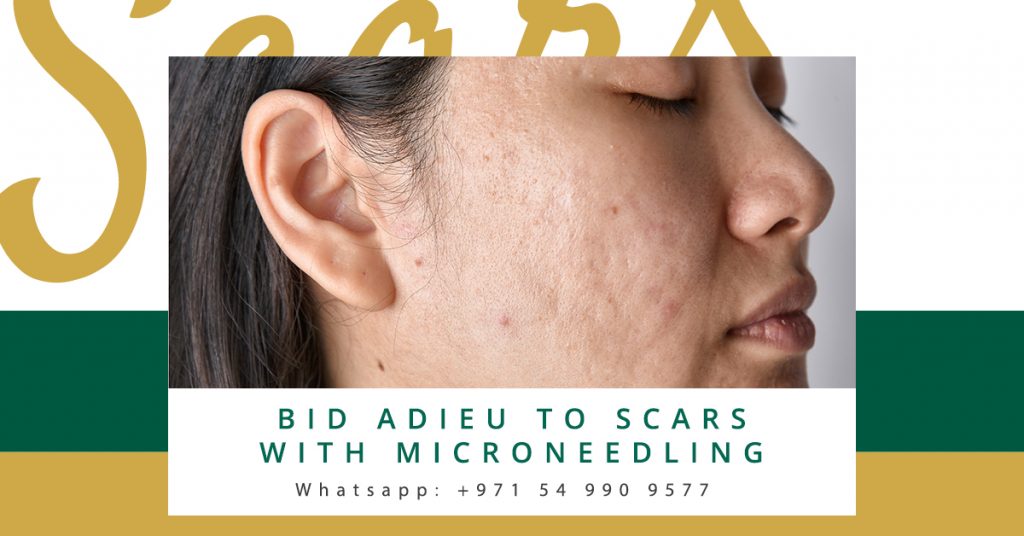
Getting acne on an important day of your life can be a frustrating experience but the scars left behind by these acnes are an even bigger problem. These scars can either develop from picking at your skin or from cystic acne. These scars can last for months or even years.

Many people try using home remedies or over-the-counter products but fail to get the desired results. For such people microneedling can prove to be a gift. The procedure also known as dermarolling or skin needling is performed by a dermatologist or skin care specialist. Before getting the treatment you need to be aware of the procedure and how it works.

How it works?

The procedure makes use of fine needles that penetrate your skin. Needling the dermal layer of the skin stimulates it to produce more collagen. This collagen will help in healing small wounds caused by the needles and will smoothen out your skin. This in turn helps in filling fine lines, scars and wrinkles. Microneedling also proves beneficial in treating burn scars, stretch marks, surgical scars and sagging skin.

Advantages of Microneedling

  1. Quicker Treatment: Unlike other invasive skin therapies, dermarolling is considered to be less time consuming. People choosing this procedure can get back to work a day after the treatment. There might be temporary redness or inflammation which subsides within few hours.
  2. A safer option: Unlike other skin corrective treatments like laser therapy, microneedling is considered safer for darker skin tones. It is also considered safe for people with sensitive skin.

Cautions to be Taken

  1. Avoid direct exposure to sun during the first few days after the procedure.
  2. Consult your dermatologist before using exfoliants or alcohol based skin products.
  3. If you are currently experiencing an acne breakout it is better to refrain from the procedure
  4. If you have undergone any skin radiation therapy, you are not recommended to undergo microneedling.


Best Ways to Protect & Boost Collagen in Skin

Collagen has become the buzzword in the world of beauty and wellness at present. It is a natural protein found in our body that can protect our skin from signs of ageing. Overall it is the holy grail of healthy skin and calls for special care, no matter what age you are.

Causes of dip in collagen levels

One of the reasons that can cause a dip in collagen levels in the body is evidently ageing. Starting from your early twenties the collagen production decreases by approximately 1% with each year. The depleting levels of collagen are responsible for the appearance of fine lines, wrinkles and sagging skin.

Besides ageing, certain lifestyle choices such as smoking, exposure to harmful ultraviolet rays, pollution and stress can also contribute to the dip in collagen levels. Even your diet can have a huge impact on the level of collagen production. If you prefer having foods high in carbohydrates such as refined sugar and white bread it can increase the breakdown of collagen and elastin in your skin.

Ways to Protect & Boost Collagen

With the right skin care practices, you can not only protect the collagen levels but also boost its production. Here are few tips to get the supple, youthful skin you always dreamed of:

  1. Wear Sunscreen: Exposure to harmful ultraviolet rays accelerates the breakdown of collagen that further leads to formation of fine lines and wrinkles. This is the reason why dermatologists recommend wearing a sunscreen with at least SPF 30 to protect your skin from sun damage.
  2. Drink plenty of water: Keeping yourself hydrated is the key to get a youthful and glowing skin. When you are not properly hydrated your skin turns dry and collagen is not able to repair itself. Besides retaining the moisture in skin, water is required to carry vitamin C around your body. Vitamin C helps to stimulate collagen production and it is a water- soluble vitamin hence being well hydrated can help keeping skin related issues at bay.
  3. Eat healthy: Try to include fruits rich in vitamin C in your diet like berries, citrus fruits, broccoli and bell peppers this will assist your body in producing collagen. Other food sources that are naturally rich in collagen include fish and eggs. If you are a vegetarian or vegan you can include foods like lentil, tofu and quinoa to get all necessary amino acids required for the production of collagen.
  4. In-office treatments: Sometimes even after following a healthy lifestyle our skin tends to show signs of premature ageing. For such individuals an in-office treatment is the best solution. Treatments such as laser resurfacing can regenerate collagen in the skin. Even microneedling (dermarolling), radiofrequency microneedling and platelet-rich plasma therapy can promote collagen production in the skin. All these treatments help you get rid of signs of ageing such as wrinkles, fine lines as well as pigmentation.

It’s Better to Avoid Conventional Cow’s Milk

It’s Better to Avoid Conventional Cow’s Milk

The dairy industry has been feeding our mind with the benefits of having cow’s milk since several years. Believing this, many people have adopted the practice of adding a glass of cow’s milk in their daily diets without ever pondering or questioning if it is really providing with them with sufficient nutrients as advertised by the dairy companies. In this blog post let us see why it is better to avoid conventional cow’s milk.

Hailed as a healthy drink from generations, frequent consumption of cow’s milk is now found to cause many health issues. A few of them include:

  1. Presence of saturated fat: Whole milks are known to contain high levels of saturated fats which increase the risk of heart disease.
  2. Obesity: High consumption of cow’s milk has been linked to weight gain in children. Consult a pediatrician and check how much milk is safe for the healthy development of your children.
  3. More Chances of bone fractures: This will come as a complete surprise for you, as many people include cow’s milk to their diet thinking that it will make their bones strong. Contrary to the popular belief drinking too much milk can deteriorate bone health and lead to fractures.A study found higher fracture rates in women who consumed over three glasses of milk.
  4. Prevalence of acne: Overconsumption of dairy products can worsen acne. Artificial growth hormones given to cows to increase milk production as well as whey protein and casein found in milk can act as a trigger for acne.
  5. Risk of ovarian cancer: Many studies have found that milk consumption could double the risks of ovarian cancer. A study published in 2000, showed women who consumed more than two glasses of milk per day experience a 44% increased chance of developing the disease.
  6. High cholesterol: The presence of high saturated fats found in full-fat cow milk can elevate the blood cholesterol level. This can increase the risk of heart diseases and stroke.

Tips for Infant Skin Care

Tips for Infant Skin Care

We all know that a newborn’s skin is delicate and needs special care. Just like adults, even infant skin may not be perfect. Many newborns are prone to skin irritations due to various common skin conditions. In this blog let us take a look at common skin problems in newborns and discuss a few tips to prevent these conditions.

Common skin problems

  1. Eczema: Eczema appears as a red, itchy rash mostly on baby’s face and scalp. Usually it doesn’t appear for the first month or two. It could be prevented if you follow a few simple tips:
    1. Minimize the use of soap and don’t stretch the bath time for more than 5 minutes.
    2. Try to use only soft clothing, preferably cotton clothes for your newborn.
    3. Limit the use of scented skin care products for baby. Always check with your pediatrician before using lotions or creams to treat eczema.
  2.  Diaper Rash: Most new mothers find it difficult to prevent diaper rash in their babies. It is often caused due to wet or soiled diapers. It can also occur if baby’s skin is not dried properly after bath. Most diaper rashes don’t require medical care. To prevent diaper rash you can follow these tips:
    1. Check diapers frequently and change immediately if found wet or soiled.
    2. Wash diaper area with water or use non-perfumed wipes to clean the area thoroughly.
    3. Let the diaper area air-dry before getting your baby into a new diaper.
    4. See your pediatrician of the rash doesn’t clear up in 2-3 days.
  3. Baby Acne: You may notice pimples on baby’s nose or cheeks but these usually clear up on their own. If you see little white bumps it may be a condition known as Milia caused by oil glands blocked by skin flakes. Skin care for milia is easy as baby’s glands open up over a few days or weeks, the bumps disappear.
  4. Irritated Skin: If you see small red bumps on your baby’s skin it might be caused due to heat. It usually appears on the neck, armpits or skin folds of your baby, following these tips may prove helpful:
    1. Avoid making your baby wear tight fitted clothes, it might cause more irritation.
    2. If it flares-up consult your pediatrician before using over-the-counter medicines.

Ensuring the health and well-being of your baby is of utmost importance, and we are here to provide you with the best possible care. If you observe any other skin conditions in your baby, such as rashes or irritation, please do not hesitate to schedule a consultation with our experienced pediatrician at Dr. Sunny Medical Centre.

How Fast Food Affects Children’s Health?

How Fast Food Affects Children’s Health?

Your children’s doctor must have often told you to avoid giving junk food also known as fast food to your kids. Though junk foods are rich in energy but they are relatively low in providing other important nutrients such as protein, fiber and essential vitamins required for the healthy development of your child. Most of the kids take an instant liking towards fast foods such as burgers, chips or a cheese laden pizza. Some parents often allow children to have junk food without realizing the negative impact of such food on their child’s overall health. In this blog we will discuss some of the reasons why you should avoid giving fast food to your children.

  1. Risk of obesity: Regular intake of junk food can give rise to problems such as obesity in young kids as a single fast food meal could add 160-310 extra kilocalories in your child’s daily diet. Obesity can later result into lower self-esteem and may even result into depression. It can hamper your child’s social skills as well as academic performance.
  2. Constipation: A diet consisting of high fat, sugar and other carbohydrates will make your child skip healthy food options such as fruits and vegetables that are rich in fiber. This can increase the chances of constipation.
  3. Risk of dental problems: Higher sugar intake can result in dental problems at a young age like dental caries.
  4. Risk of deficiency diseases: As mentioned earlier, junk foods lack essential vitamins such as Vitamin A and C as well as minerals like calcium and magnesium, this can cause deficiency diseases as well as there are chances that your child may have weaker bones. Consult your pediatrician if you see any symptoms of deficiency diseases.
  5. Lack of concentration: Essential fatty acids including Omega-3 and Omega-6 are missing in fast foods. They are essential for manufacturing cell membranes and are required for high concentration. Poor concentration levels can lead to difficulty in achieving tasks that need extended focus, hence this may also result in poor academic performance of your child.

If you feel your child is addicted to junk food you may consult your pediatrician and seek help.

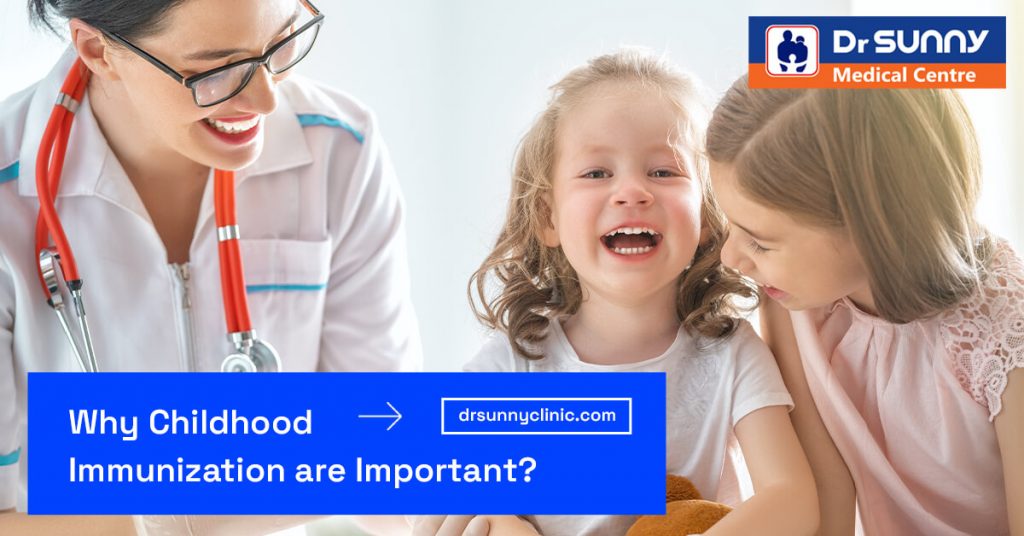
Why Childhood Immunizations are Important?

Why Childhood Immunizations are Important?

Vaccines have been termed as one of the safest and most effective ways of protecting our kids from several perilous childhood diseases. The immunization record is as important as the birth certificate of your child. Vaccinations given to children all around the world have made several common diseases rare today.

A vaccine is a dead or weakened version of the bacteria/virus that causes the disease. When children take the vaccine, it triggers their immune system, which is the mechanism of fighting bacteria/virus. The immune system produces antibodies that can protect the child from contracting the disease if they are exposed later to the actual disease causing bacteria/virus.

Vaccines not only protect your child from diseases like polio, diphtheria etc. but also stop the spread of these diseases in the community and help in protecting other children. Most of the vaccines need to be given more than once at different stages and in combinations. As a parent you need to keep a track of the jabs received by your child.

Tips for immunizations:

The following information will help you to navigate smoothly with your responsibility of getting your child vaccinated against various diseases:

Always carry the immunization record of your child when you visit the pediatrician and make sure that during every immunization your child’s doctor signs and mentions the date in the record.

Check if your pediatrician’s office provides with immunization reminder system. This will help you in case you forget the next immunization date or if your child has missed an immunization.

Your child may show common side-effects after immunization such as fever, swelling at the site of injection or soreness. Your pediatrician will tell you about these side-effects before administering the vaccine but if you feel that your child is showing any symptom other than these common side-effects don’t hesitate to discuss it with the pediatrician.

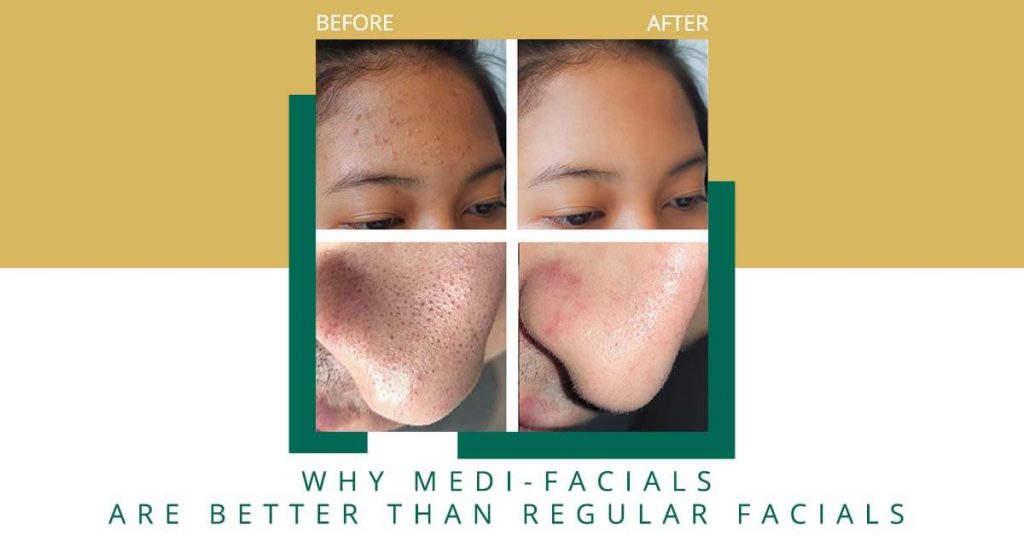
Why medi-facials are better than regular facials?

Facials have been a popular beauty regimen opted by both women and men to get glowing, soft and clear skin. A person is spoiled for choice upon entering a salon. There are a plethora of options such as gold facial, fruit facial, diamond facial and many more to choose from. The skincare routine involves exfoliation, lotions, creams, massage and facial masks.

But, if the aim is more than just pampering your skin, you should opt for a medi-facial. The advanced technology and medical grade products used penetrate your skin’s outer layer and can have incredible effects including skin tightening, collagen boosting and of course glowing and supple skin.

What are Medi-facials?

Medi-facials are used by dermatologists to improve skin texture and treat various skin conditions. Even if you have an acne-prone, uneven, rough and sensitive skin, you can benefit from this facial. Unlike salon facials, medi-facials are specifically tailor-made keeping in mind an individual’s skin concern.

Medi-facials might include microdermabrasion, chemical peels, LED Therapy, laser resurfacing or even a combination of these. It also includes gentle exfoliation with skin brightening serums that can rejuvenate the skin and have long-lasting effects. Few common types of medi-facials include.

  • Anti-acne facial
  • Anti-ageing facial
  • Hydrating facial
  • Collagen facial
  • Oxy/jet facial


Why choose Medi-facials over Regular Facials?

Medi-facials work from within without being invasive:

As the process involves usage of medical grade products and equipment, the benefits of this procedure are beyond the surface of the skin. Thus, the results are long-lasting in comparison to regular facials. Additionally as the ingredients used for the facial are based on the skin type of an individual the results are much more satisfying.

Medi-facials are specially formulated for different skin concerns:

Medi-facials vary depending upon the skin concern of an individual. Whether it is ageing, dehydration, acne treatment, skin tightening or routine skin cares, medi-facials work for all these and more.

Medi-facials are performed by trained therapists:

The well-trained therapists know exactly the kind of pressure and movements that need to be done to stimulate lymphatic drainage and to promote healthy supple skin.

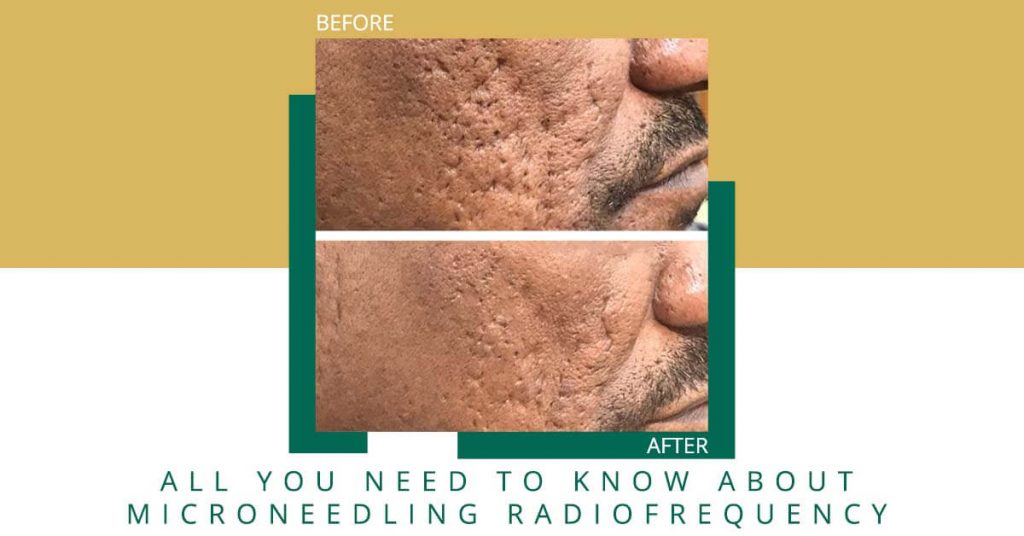
All you need to know about Microneedling Radiofrequency

What is Radiofrequency Microneedling?

We all know microneedling (also known as dermarolling) is a minimally invasive treatment that can be used for treating acne scars, spots or sun damage. It uses a microneedling pen that has fine needles that create tiny punctures on the skin surface, which triggers the production of collagen and elastin helping in skin rejuvenation and scar healing. In MNRF, radiofrequency waves are channeled through the tiny punctures into the inner layer of the skin. This further enhances skin tightening and scar reduction along with the existing benefits of traditional microneedling.

What to expect during the procedure:

After a thorough consultation the doctor will recommend the necessary number of sessions.
A topical anesthetic cream is applied prior to the treatment. Each session a new presterilized disposable tip is attached to the handpiece of the machine. As the doctor moves the device along your skin you may feel a warm sensation but very minimal discomfort. Minimal redness and swelling can be expected but this is temporary and perfectly normal. After the procedure an antibacterial cream is applied and post procedure instructions will be shared.

Benefits of Radiofrequency Microneedling over Traditional Microneedling

Though microneedling as well as MNRF are known to treat a number of skin issues, the latter is more effective, read on to know how:

Produces extra collagen: This procedure is known to stimulate greater collagen production. This is because of the dual action of micro needling and radio frequency heat. It utilizes radiofrequency waves and heat through the tiny needles to boost collagen levels without causing any damage to the outer skin.
Safer: For individuals with a darker skin tone, radiofrequency microneedling is considered a safer option in comparison to the traditional microneedling procedure. It has minimal downtime.

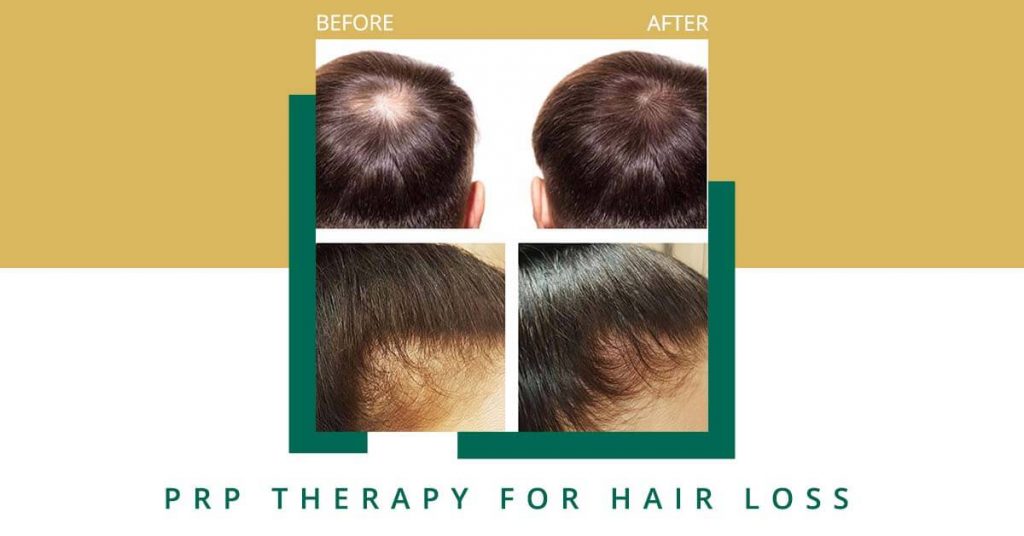
Platelet-rich plasma (PRP) Therapy for Hair Loss

If you are you suffering from mild to moderate hair loss, your doctor may suggest PRP (Platelet-rich Plasma) Therapy to restore hair growth. This treatment is mostly suggested for individuals suffering from androgenetic alopecia, a condition that causes hair follicles to shrink.
Keep reading to know more about the treatment and its effectiveness.

What is PRP?
Whenever you sustain an injury, the platelets are the ‘first responders’ of your body that are responsible for controlling the bleeding and initiating the healing process. Platelets are the basic components of blood along with red and white blood cells and PRP contains essential proteins that help in tissue repair. So, if platelets are extracted from the blood and injected into a damaged part it speeds up the healing process. Besides, helping in promoting hair growth, PRP therapy is also known to heal injured tendons, ligaments and muscles. The plasma also contains many growth factors and other components that further promote hair growth.

The Procedure
The procedure of PRP therapy can be easily broken down into three steps:

  • A medical professional draws blood from a vein in your arm and places the blood sample in a centrifuge.
  • The centrifuge spins the blood to separate its components and the plasma which is rich in platelets is extracted
  • The plasma is then injected into specific areas in your scalp to promote hair growth.

The entire process may take 1-2 hours and the person may require several monthly sessions based on how well they respond to the PRP therapy.
The doctor might suggest a maintenance session every 3-6 months once hair loss in under control.
A safe treatment
PRP therapy for hair loss is considered to be a safe treatment as the patient’s own blood components are used making the risk of getting a reaction or infection almost zero.

There is minimal down time and the patient can quickly resume their daily activities

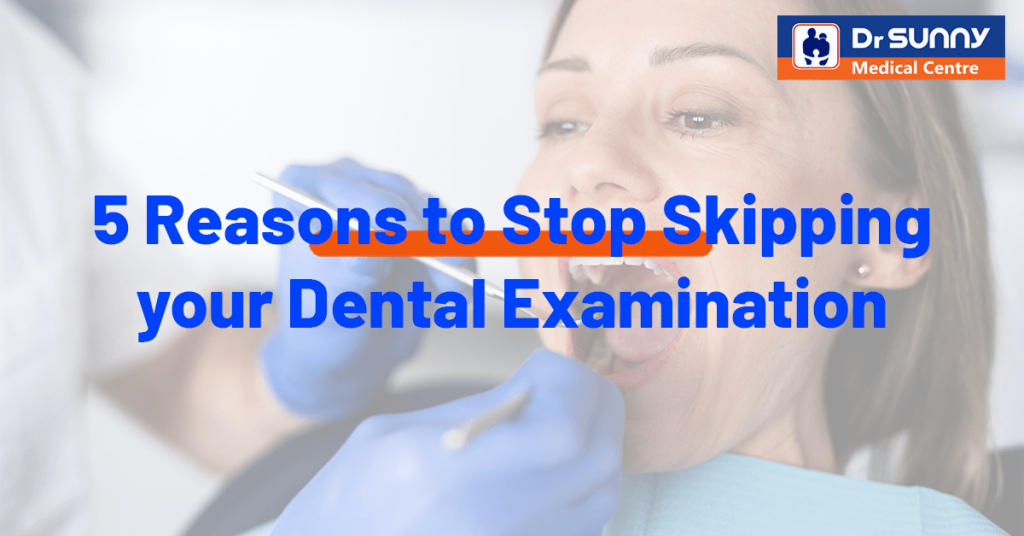
5 Reasons to Stop Skipping your Dental Examination

A lot of people visit the dentist only if they experience severe tooth ache or other oral problems. Fixing a regular dental examination appointment can save you from a lot of trouble by detecting changes in your teeth or gums that could be an indication of severe health issues.

The regular dental check-ups are equally imperative as brushing or flossing your teeth every day. Keeping a track of your dental exam can save you from the pain of undergoing complicated and expensive procedures that could be avoided if detected early. Going for a regular dental exam, even if you are not facing any dental issue may have several benefits including:

  1. Preserve your Perfect Smile: Brushing your teeth daily is an extremely important part of maintaining a good oral hygiene but that alone cannot ensure that your teeth are healthy. You may develop tooth decay without even experiencing any symptom. A thorough check-up by your dentist can reveal a cavity on the interior surface of your teeth and timely measure like using dental fillers, to treat it can help in preserving your teeth as well as your smile.
  2. Identify Potential Health Risks: You may not realize but sometimes mouth ulcers, bad breath, dry mouth or swollen gums could be a sign of an underlying health issue and can be recognized by your dentist. Regular visit to your dentist can lower your risk of overlooking a chronic health condition.
  3. Keep your Gums Healthy: By examining the firmness and recession of your gums the dentist can detect early stages of a common gum disease known as gingivitis. Your dentist uses a special tool that can measure the space between each tooth and your gum line. If the depth exceeds 4mm it can be an early warning sign of the disease. If treated early on it can save you from a lot of distress.
  4. Deep Cleaning: While you visit your dentist for a regular check-up they will provide you with a preventive cleaning using mildly abrasive toothpaste and high powered tooth brush. It will give you a deep cleaning that can’t be achieved while brushing at home. It will also help you whiter teeth as the cleaning helps in removing plaque and tartar that can dull your outer enamel.
  5. Detecting Oral Cancer: Regular dental visits are a way to ensure early detection of oral cancer. Early detection can help in the successful treatment of various kinds of oral cancers. Your dentist may find red or white patches or any other unexplained growth that might have missed your attention, by a painless visual examination.

So, what are you waiting for, call up your nearest dental clinic and book an appointment to keep all oral problems at bay.