Signs you need Dental Filling

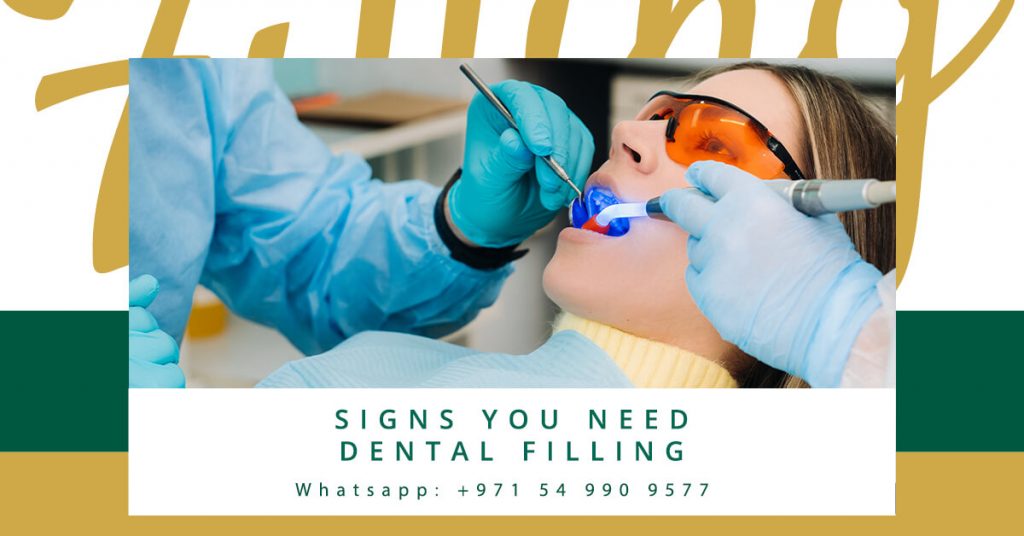
Dental Fillings are used to restore teeth with smaller damages. Dental fillings are most commonly used to treat small cavities so that they don’t turn into bigger dental problems down the road. Besides cavities, dental fillings can also be used by your dentist to treat cracks and fracture in teeth.

If left untreated the tooth decay may need serious treatments including root canals or may also need tooth extraction. During dental filling the decayed tooth material is removed and the tooth is cleaned before covering it with filling. The dental filling is usually made of composite resin that resembles natural teeth. Other materials that can be used for fillings are amalgam, porcelain or metals like gold and silver. Wondering if you need a dental filling? Here are few signs that you do:

Toothache:  If you experience a sudden throbbing pain while chewing or biting food, it may be a sign that you need dental filling. Sensitivity to certain food especially cold beverages or ice cream may also be an indication that you require to see your dentist and get a filling.

Tooth Crazing: Sometimes you might have noticed vertical lines on your tooth enamel. This might appear due to various reasons including biting nails or grinding your teeth. The vertical lines may darken over time, dentists can cover these crazed lines with tooth filling to restore the natural look of the teeth. This procedure is popularly known as cosmetic bonding.

Chipped Teeth: As we age the enamel of our teeth wears down, sometimes this causes chipping of teeth and can lead to further damage. The flat biting edges may also darken with time. Luckily, with the use of tooth colored bonding these cracks can be filled and restore the damaged teeth as well as prevent further damage.

In case you are experiencing any of these signs, it is time to visit your nearest dental clinic and book an appointment to get dental filling.
What’s Better Dental Implants or Veneers?

What’s Better Dental Implants or Veneers?

With so many dental procedures available to restore your smile, it is natural to get confused. If you are considering getting dental implants or veneers it is important to know the difference between the two procedures to make the best choice.

What are Dental Implants?

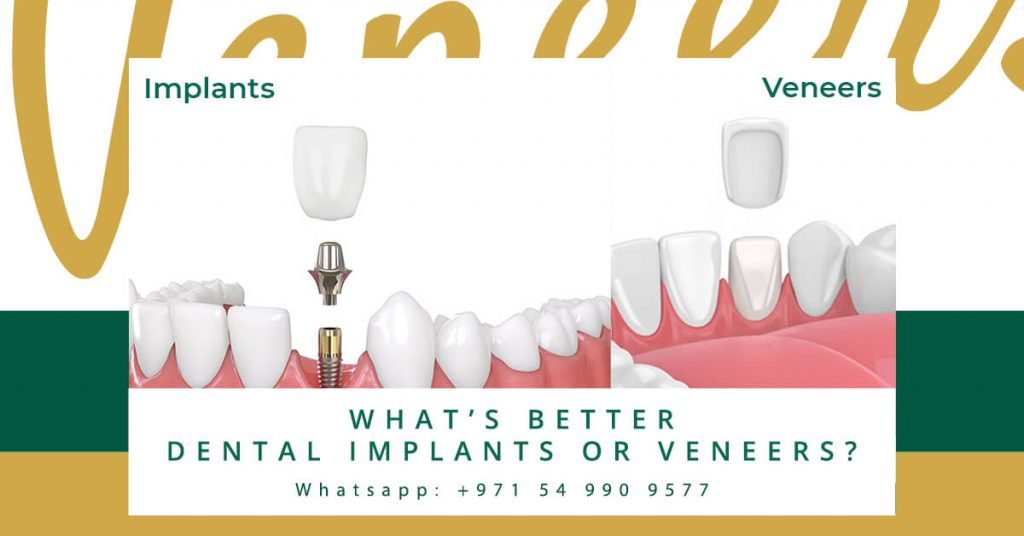
Dental implants should be your first choice if you are looking to cover up for a missing tooth and need a long lasting solution.  Metal pieces will be inserted into the jawbone. Once the bone and implant fuse, a crown restoration will be performed to finish the procedure. The implants will look almost identical to your natural teeth.

What are Dental Veneers?

If you envy the smile of your favorite superstar and yearn for the perfectly aligned and pearly white smile your best option will be dental veneers. The thin veneers mostly made of porcelain are custom-made to match your natural teeth and can correct a number of flaws.

Besides enhancing the aesthetic beauty of your smile veneers can also come into play if you want to protect your teeth from damage. The outer layer of your teeth known as the enamel is an extremely strong protective coat but it wears off over the time due to different reasons including ageing, abrasive brushing or having food that is high in acidic content. The thinning of the enamel can cause further tooth decay. To avoid this, your dentist can suggest the use of dental veneers as an extra protective layer.

Major Differences between Implants & Veneers

Time Required for procedures:

Dental Implants: The dental implants can be time consuming in comparison to Veneers. It varies depending on your treatment plan. It can take time since the jawbone needs to fuse with the implant before finalizing the procedure, the time will vary depending on the person and situation.

Veneers: Getting veneers is a faster option and can be completed approximately within three visits.

Durability

Dental Implants: Dental Implants can also last for a lifetime and are a more permanent solution.

Veneers: Veneers can last up to 10-15 years if taken proper care.

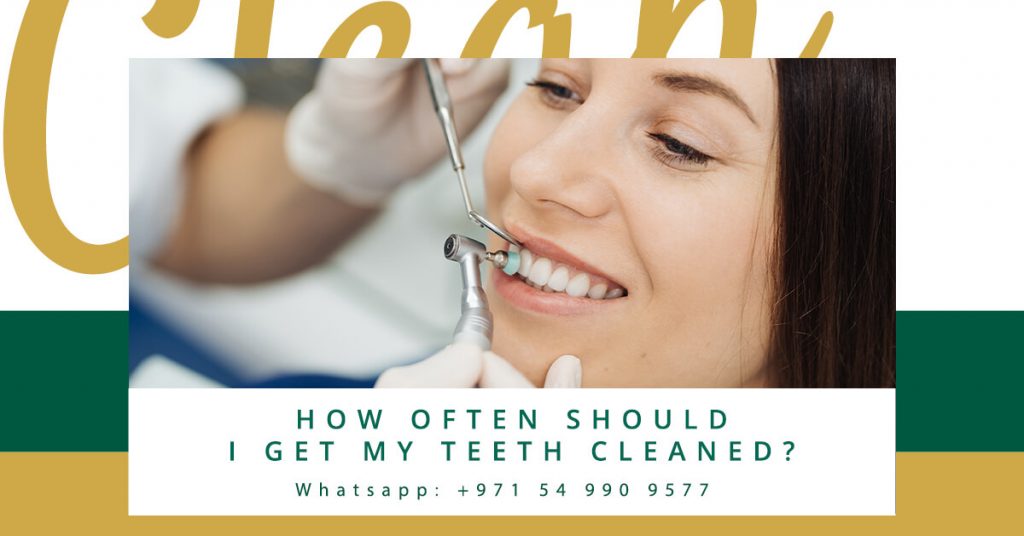
How often should I get my teeth cleaned?

Following a good dental hygiene should not be an excuse for you to skip your professional dental cleaning appointments.

Benefits of Getting Teeth Cleaned Professionally

Professional dental cleaning has numerous benefits including helping to remove plaque on teeth, tartar on teeth and most stains as well as ensuring that your teeth and gums remain healthy. Dental cleanings will also allow your dentist to check for early signs of tooth decay or gum diseases like gingivitis. Paying for regular dental cleanings will cost much lesser than paying for a filling a cavity or getting a root canal done.

Though  brushing and flossing teeth regularly can help keep your breath fresh, but a professional dental cleaning every 6 months helps control the generation of bacteria in the mouth that are responsible for bad breath. Your overall health can also benefit if you don’t skip your regular dental cleaning appointment as regular dental check-ups can help you avoid some serious health issues. For example during the dental visit, your doctor does a thorough examination of the tongue, throat, face and neck. The dentist will look for redness, inflammation or tissue changes indicative of cancer. Identifying diseased tissue at an early stage can make a huge difference and help in saving a life.

When to Visit Dentist for Cleaning?

After reading all these benefits you might be wondering how often you should be getting your teeth cleaned? Most of us can get away with two trips in a year while people who fall in high risk group might need to visit their dentist more often.

People with chronic conditions such as heart disease or diabetes need to see their dentist more often as they are prone to gum diseases. People who are taking certain medications including blood thinners may need to visit the dentist more often as these medications complicate the process of tooth extraction & other dental procedures. Regular visits in such conditions will help your dentist to help detect problems before they become serious.

Tips to Treat Your Sensitive Winter Skin

With the onset of winter season, taking care of your skin should be your priority, especially if you have sensitive skin. The low humidity levels and dry air can reduce the moisture content of your skin. It is imperative to follow a skin regimen to protect it from becoming dry irritated and cracked. Incorporate these simple tips in your daily routine to get healthy, supple glowing skin this winter season.

Keep yourself Hydrated: By applying moisturizer you can hydrate yourself on the outside, but if you want to stay hydrated from the inside you need to drink adequate water throughout the day. The cold winter air can leave your skin parched; using an air humidifier can also greatly improve the immediate environment around your skin.

Layer Up: While you venture out in this cold weather make sure to protect your skin by layering up. The skin on your neck, face and back of hands is thinner than other areas of the body and therefore more sensitive to the effects of winter weather. Sweaters, scarves and gloves not only keep you warm but also protect your skin from the cold, dry air. For those with sensitive skin, avoid synthetic fabrics and itchy materials like wool, and wash clothes with a gentle dermatologist-recommended detergent.

Avoid Allergens: Choose moisturizers and skin care products that don’t contain common irritants and fragrances. Opt for mild cleansers and moisturizers that are specifically labeled for sensitive skin. Natural moisturizers like coconut oil and shea butter can be used instead of market bought moisturizers that will act as protective barriers against harsh elements, sealing in moisture.

If you have sensitive skin you can include the above mentioned tips to minimize the harsh effects of winter including redness, dry and patchy skin. These tips will also help you to keep your skin healthy and glowing throughout the season.

10 Commonly asked questions about IV Therapy

There many benefits of IV therapy making it one of the most popular treatments in recent times. However, the availability of different combinations of IV infusions can make things a bit confusing for anyone planning to opt for this super effective. Benefits include a radiant skin, immunity boost, liver detox and hair loss treatment.

These are some of the common questions asked about the IV therapy which can prove helpful to you to understand the numerous benefits of this treatment.

  1. What is IV Therapy?

The first question, that comes up in the mind of anyone seeking to know about the IV therapy which is also popular as IV infusion therapy or IV vitamin therapy is what exactly does it do? To explain it simply, it is the process of introducing necessary nutrients or fluids including vitamins and minerals directly into the bloodstream of a person, without being broken down in our digestive system.

  1. How does it work?

IV vitamin Therapy is known to deliver quick results as it bypasses the gastrointestinal tract. When vitamins and minerals are consumed in natural form or are taken as supplements, it gets broken down as they pass through the stomach and only some of the nutrients are absorbed by the body. IV drip avoids the breakdown phase by directly delivering the required dose of minerals and vitamins into the person’s bloodstream.

  1. How long does it take?

Each treatment session lasts for about 30 to 60 minutes based on the composition of the IV therapy.

  1. Is it painful?

As it is an intravenous therapy you will only feel a mild discomfort while the small cannula is being placed into the vein. After the treatment some people experience minor swelling at the part of the hand where the needle was placed. It is a temporary effect that goes off on its own.

  1. Which IV therapy will work for me?

Each IV Infusion therapy is tailor made according to the needs of a person according to their health and wellness goals.

  1. Can IV therapy prevent certain conditions?

Many IV therapies can be recommended to a person if they are looking to prevent certain medical conditions. For example, IV therapy can be given for hair loss as well as for immunity boosting.

  1. Is there an age limit to receive IV therapy?

IV therapy is available to people between the ages of 18 onwards but this criteria is subject to the doctor’s advice.

  1. What should be the frequency of treatments?

The frequency of treatment depends on the needs of the person. It can be used as a one-time treatment in several cases.

  1. Is it safe?

It may not be recommended for pregnant women and even other patients with some medical conditions. Always consult your doctor before getting an IV drip.

  1. What to do while experiencing any discomfort during IV?

If you experience any symptom such as pain, dizziness or nausea alert the medical team immediately.

Is Laser Hair Removal Safe?

Aren’t you exhausted of the time-consuming and painful traditional hair removal methods including shaving, waxing and tedious home remedies? If you are looking for a more permanent solution to get rid of the unwanted body and facial hair, laser hair removal is your best bet.

Laser hair removal uses highly concentrated light to destroys hair follicles and curtail future hair growth. Laser hair removal is safe and effective. The procedure does not cause any long-term side-effects. However, let us make ourselves aware about the possible side-effects.

Minor side-effects

The procedure may cause temporary skin irritation or pigmentation. Slight redness and swelling around hair follicles can be noticed on the treated area. These effects are short-lived and are also experienced during traditional ways of hair removal. The dermatologist might apply topical anesthetic to minimize these effects. You can also apply ice packs to reduce the pain and swelling.

Pigmentation changes

If you have lighter skin, you may see temporary dark spots and if you have darker skin, you may find lighter spots after the procedure. Just like irritation and redness, these spots won’t last long.

Rarely occurring Side-effects

If you use laser kits at home or are getting the procedure done from an uncertified provider you may be at risk of rare and more long lasting side-effects. In such cases you may get blisters, scarring or skin crusting.

It is imperative to address your queries with your dermatologist before opting for the procedure. The use of laser hair removal is not recommended for pregnant women. It is recommended to see a doctor if any severe symptoms are experienced after laser hair treatment.

It is also very important to disclose any medical conditions and medications you are taking as this can affect the outcome of the treatment.

Post-laser skin care is required to achieve the flawless skin you always desired. Here are few things that you need to follow:

  • Between laser hair removal sessions, avoid using other hair removal methods. Shaving is acceptable
  • Avoid getting a tan, both natural and artificial
  • Do not forget to wear your sunscreen when stepping out in the sun.
  • Avoid saunas and Moroccan baths


All you need to know about Infant Torticollis

All you need to know about Infant Torticollis

Have you noticed that your infant holds his or her neck tilted to one side and has difficulty in turning the head to the other side? If yes, then this may be a sign of Congenital Muscular Torticollis, also known as stiff or wry neck. In this condition the muscle that runs on both sides of the neck, from back of the ears to the collarbone (known as Sternocleidomastoid) is tight and shortened, making it difficult for the baby to turn his or her neck.

In newborns torticollis can happen due to baby’s position in the womb or because of a difficult childbirth. The good news is the condition usually gets better with simple position changes and exercises.

Signs & Symptoms of Infant Torticollis

A newborn with torticollis might:

  • Develop flat head on one or both sides from lying in one direction all time.
  • If breastfed, baby has trouble in feeding on one side or in some cases prefers feeding on one breast.
  • Tries hard to turn towards a particular side and gets cranky when unable to turn head completely.
  • Some babies might develop a small lump in neck, which is similar to a knot in a tense muscle.
  • Tilts head only in one direction.

Causes of Torticollis

This condition may happen if a fetus is cramped inside the uterus or in an unusual position. The use of vacuum to deliver a baby also increases the chances of torticollis in a newborn. Some babies with torticollis also have developmental dysplasia of the hip.

How to Treat Torticollis?

If your baby is diagnosed with torticollis, your pediatrician might suggest neck exercises for the baby that can be easily done at home. These exercises are helpful in loosening up the tight muscles and can straighten up your baby’s neck.

Sometimes the pediatrician may suggest pediatric physiotherapy in some cases. The pediatrician will check your baby every two-four weeks to see if the condition is getting better.