

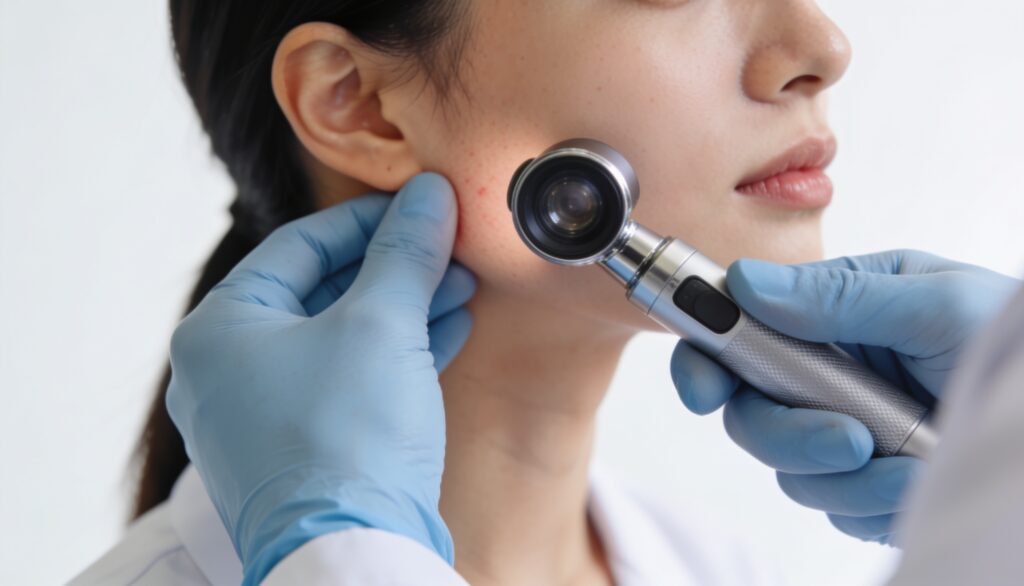
Quick answer: Acne is treated by matching the approach to its severity: topical creams for mild cases, oral medicines for moderate-to-severe acne, and in-clinic procedures such as chemical peels, deep-cleansing facials or laser to support results. A dermatologist tailors a plan and reviews progress over time.
Acne is one of the most common skin concerns we see, and it affects teenagers and adults alike. The good news is that, in most cases, it responds well to treatment once the approach is matched to the type and severity of the breakouts. This guide explains the common causes, the main options, and how our climate in Sharjah, Umm Al Quwain and across the UAE can play a role.
What actually causes acne?
Acne develops when hair follicles (pores) become blocked by a mix of excess oil and dead skin cells, which can then become inflamed. It is a medical skin condition, not a sign of poor hygiene.
Several factors commonly contribute:
- Excess oil (sebum) production by the skin.
- Blocked pores from a build-up of dead skin cells.
- Bacteria within the follicle that can trigger inflammation.
- Hormonal changes — for example during puberty, the menstrual cycle, or with certain conditions.
- Other triggers such as some cosmetics, friction from masks or helmets, certain medicines, and stress.
Genetics and individual skin type also play a part, which is why two people with similar habits can have very different skin.
What are the main acne treatment options?
Treatment is generally chosen according to how mild, moderate or severe the acne is, and how it is responding over time. Most plans combine a daily skincare routine with one or more active treatments.
Broadly, options fall into these groups:
- Topical treatments — creams, gels or lotions applied to the skin. Commonly used ingredients address blocked pores, oil and inflammation.
- Oral medicines — tablets prescribed for moderate-to-severe or persistent acne. These require medical supervision and, in some cases, monitoring.
- In-clinic procedures — such as chemical peels, deep-cleansing facials and certain light- or laser-based treatments, used to support a medical plan.
The right combination depends on your skin, your history and any other health factors, so a personalised assessment matters.
| Approach | Often suited to | What to know |
|---|---|---|
| Topical treatments | Mild to moderate acne | Applied at home; results build gradually over several weeks. |
| Oral medicines | Moderate to severe or stubborn acne | Prescription only; may need follow-up and monitoring. |
| In-clinic procedures | Support alongside a medical plan, and acne marks | Performed by trained professionals; usually a course of sessions. |
Can in-clinic procedures like chemical peels or facials help?
Yes — in-clinic procedures can support an acne plan and help with the marks acne can leave behind, but they usually work best alongside a medical routine rather than on their own.
Commonly discussed options include:
- Chemical peels — a solution is applied to exfoliate the skin’s surface, which may help with clogged pores and uneven skin texture or marks.
- Deep-cleansing facials — gentle, hydrating treatments such as a HydraFacial aim to cleanse and unclog pores while soothing the skin.
- Laser and light-based treatments — these may be considered in selected cases, often to address residual marks once active breakouts are controlled.
Suitability varies from person to person, so a dermatologist will advise whether a procedure is appropriate for your skin and how many sessions might be involved. Costs vary by case — book a consultation for a personalised quote.
What daily skincare habits help manage acne?
A simple, consistent routine often supports treatment more than frequent product changes. Gentle care is usually better than harsh scrubbing, which can irritate the skin.
- Cleanse twice daily and after heavy sweating, using a gentle cleanser.
- Avoid aggressive scrubbing, picking or squeezing, which can worsen marks.
- Choose products labelled non-comedogenic (less likely to clog pores).
- Use a light, suitable moisturiser — even oily skin benefits from hydration.
- Apply a broad-spectrum sunscreen daily, as some treatments increase sun sensitivity.
- Give any treatment time to work, and try not to expect overnight results.
Does the UAE climate make acne worse?
Heat and humidity, frequent air-conditioning and sun exposure can all influence how the skin behaves, and some people notice more oiliness or breakouts in the warmer months. Sweat and heavy sunscreen or make-up left on the skin may also contribute.
Practical steps that often help in our climate include cleansing after sweating, choosing lightweight non-comedogenic products, staying hydrated, and not skipping daily sun protection. If your skin reacts strongly to the season, a dermatologist can adjust your routine accordingly.
When should I see a dermatologist for acne?
It is worth seeing a dermatologist if acne is persistent, painful or widespread, if over-the-counter products are not helping after several weeks, or if breakouts are affecting your confidence. Early advice can also reduce the risk of long-term marks.
You should seek a professional review if you notice:
- Deep, painful or cyst-like spots.
- Acne that is spreading or not improving with home care.
- Scarring or persistent dark marks.
- A significant emotional impact from your skin.
At Dr. Sunny Medical Centre, our team can assess your skin and recommend a plan suited to you. You can get in touch to arrange a consultation at our Sharjah branch or our Umm Al Quwain branch.
Frequently Asked Questions
Is acne only a teenage problem?
No. While acne is very common during the teenage years, many adults experience it too, including for the first time later in life. Adult acne is recognised and treatable.
Does diet cause acne?
Diet’s role varies between individuals and is still being studied. Some people notice triggers, but acne is driven mainly by oil, blocked pores, bacteria and hormones. A dermatologist can advise on what may be relevant for you.
Will popping pimples make them go away faster?
No. Squeezing or picking spots can push inflammation deeper, slow healing and increase the risk of marks or scarring. It is best to leave spots alone and follow your treatment plan.
How long does acne treatment take to work?
Most treatments work gradually, and noticeable improvement often takes several weeks of consistent use. Your dermatologist will review progress and adjust the plan if needed.
Can acne be cured permanently?
Acne can often be controlled very well, though some people are prone to flare-ups over time. The aim is to clear active breakouts, reduce marks and keep the skin settled with an ongoing routine.
How much does acne treatment cost in the UAE?
Cost depends on the treatment plan and number of sessions, so it varies by case. Book a consultation at Dr. Sunny Medical Centre for a personalised quote.
This article is for general information and is not a substitute for professional medical advice.
If acne is bothering you, you do not have to manage it alone. Book a consultation with the team at Dr. Sunny Medical Centre in Sharjah or Umm Al Quwain for a personalised assessment and a plan suited to your skin.