

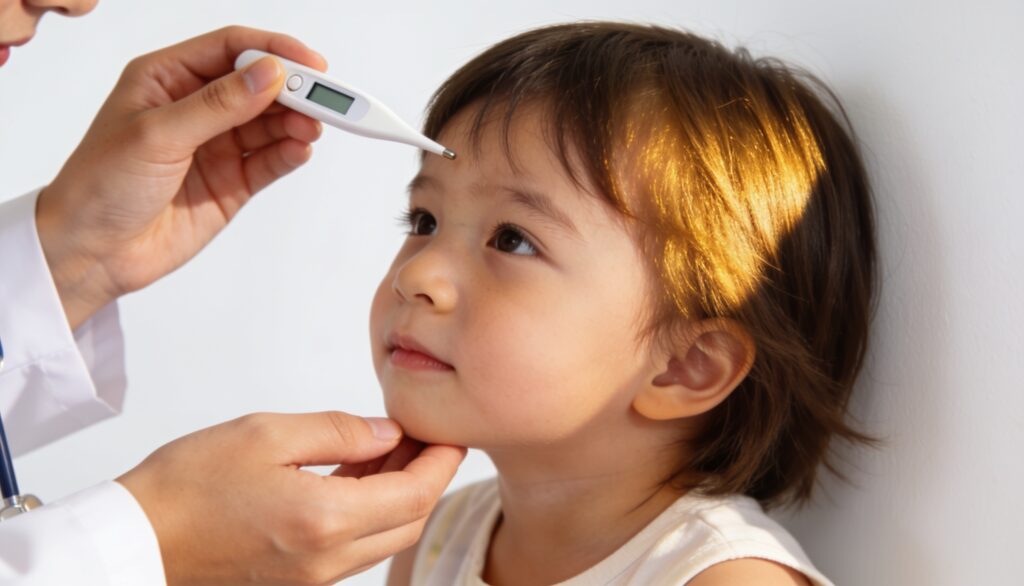
Quick answer: Most childhood illnesses in the UAE, such as colds, ear infections, tummy bugs, rashes and allergies, are mild and settle with rest, fluids and comfort care at home. Seek medical help for a baby under three months with fever, trouble breathing, signs of dehydration, a non-fading rash, drowsiness, or symptoms that worsen or do not improve.
Children fall ill often, especially once they start nursery or school, and most infections are part of a healthy, developing immune system. This guide explains the most common childhood illnesses families see in Sharjah, Umm Al Quwain and across the UAE, what you can do at home, and the warning signs that mean it is time to call or visit a doctor. It is general information only and does not replace a proper assessment.
What are the most common childhood illnesses in the UAE?
The illnesses children pick up most often are colds and flu, ear infections, tummy bugs (gastroenteritis), common rashes, and allergies. Most are caused by viruses, are self-limiting, and improve within a few days to about two weeks.
- Colds and flu — runny or blocked nose, cough, sore throat, and sometimes fever. Young children can catch several colds a year.
- Ear infections — often follow a cold; the child may pull at an ear, be irritable, or have ear pain and fever.
- Tummy bugs (gastroenteritis) — vomiting and/or diarrhoea, sometimes with a mild fever and tummy cramps.
- Common rashes — including viral rashes, heat rash, eczema flares and nappy rash.
- Allergies — sneezing, itchy eyes, skin reactions, or food-related reactions. Dust and seasonal triggers are common in the region.
How can I care for a sick child at home?
For most mild illnesses, comfort care is enough: keep your child rested, offer plenty of fluids, and watch how they are doing over the next day or two. The single most important thing is keeping them hydrated.
- Offer small, frequent drinks of water, milk or an oral rehydration solution, especially if there is fever, vomiting or diarrhoea.
- Let your child rest and keep the room comfortable and not too warm.
- Encourage easy, familiar foods when appetite returns; do not force eating.
- For a blocked nose, saline drops and keeping the head slightly raised can help comfort.
- Wash hands often and keep an unwell child home from nursery or school to limit spread.
This article does not give medication or dosing advice. Before giving any medicine, including fever or pain relief, confirm what is suitable for your child’s age and weight with a pharmacist or your doctor, and follow MOHAP guidance.
Why is hydration so important when children are unwell?
Children, and especially babies, lose fluid quickly through fever, vomiting, diarrhoea and the warm UAE climate, which can lead to dehydration. Keeping fluids going is the key to a safe recovery at home.
Watch for signs of dehydration, which include:
- Fewer wet nappies or going much longer without passing urine
- A dry mouth, no tears when crying, or sunken eyes
- Unusual sleepiness, irritability, or a lack of energy
If you notice these signs, offer fluids steadily and seek medical advice, particularly for infants who can become dehydrated faster than older children.
When should I see a doctor for my child?
See a doctor, or seek urgent care, if your child shows any warning sign rather than waiting to see if it passes. Trust your instincts; you know your child best.
- Any fever in a baby under 3 months, or a high or persistent fever in an older child
- Difficulty breathing, fast breathing, noisy breathing, or pauses in breathing
- Signs of dehydration, or refusing to drink for a prolonged period
- A rash that does not fade when pressed with a glass, or rapidly spreading rash
- Drowsiness, being very hard to wake, a weak high-pitched cry, or floppiness
- Repeated vomiting, blood in vomit or stool, or severe or persistent tummy pain
- A seizure, a stiff neck, or sensitivity to light
- Symptoms that keep getting worse, or that simply are not improving as expected
If your child is seriously unwell or you are worried about an emergency, call the local emergency number (998 for ambulance in the UAE) or go to the nearest emergency department.
How can I tell common illnesses apart?
Symptoms overlap, so the table below is a general guide only, not a diagnosis. A paediatrician can examine your child and confirm what is going on.
| Illness | Typical signs | Usual home care | See a doctor if |
|---|---|---|---|
| Cold / flu | Runny nose, cough, sore throat, mild fever | Fluids, rest, saline for the nose | Breathing trouble, high or lasting fever, not improving |
| Ear infection | Ear pain, ear-pulling, irritability, fever | Comfort, fluids, observation | Severe pain, fluid from the ear, fever that persists |
| Tummy bug | Vomiting, diarrhoea, cramps | Small frequent fluids, rehydration | Signs of dehydration, blood in stool, lasting symptoms |
| Rash | Spots, redness, itching | Gentle skin care, avoid irritants | Non-fading rash, rash with fever or unwellness |
| Allergy | Sneezing, itchy eyes, skin reactions | Avoid triggers where known | Swelling of face or lips, breathing difficulty (urgent) |
Any sudden swelling of the lips, face or tongue, or breathing difficulty after a food or sting, can be a severe allergic reaction and needs emergency care immediately.
Frequently Asked Questions
How many colds a year are normal for a child?
It is common for young children, particularly those in nursery or school, to have several colds each year as their immune system develops. Frequent mild colds are usually nothing to worry about, but speak to a doctor if your child seems unusually unwell or is not recovering between infections.
Do childhood illnesses always need antibiotics?
No. Most common childhood illnesses are caused by viruses, which do not respond to antibiotics. A doctor will decide whether an antibiotic is appropriate after examining your child, so it is best not to request or use them without advice.
How long should a tummy bug last?
Many tummy bugs ease within a few days, though mild diarrhoea can sometimes linger a little longer. The priority is keeping your child hydrated; seek medical advice if there are signs of dehydration, blood in the stool, or symptoms that persist.
When is a fever in a child an emergency?
Any fever in a baby under three months should be assessed promptly. For older children, the height of the fever matters less than how the child looks and behaves; drowsiness, breathing difficulty, a non-fading rash, or a child who is very hard to rouse always need urgent care.
How can I help prevent childhood illnesses?
Regular handwashing, keeping unwell children home, staying up to date with vaccinations as advised by MOHAP, and managing known allergy triggers all help. A consultation with your paediatrician can give advice tailored to your child.
Can I book a paediatric consultation at Dr. Sunny Medical Centre?
Yes. Dr. Sunny Medical Centre offers paediatric care at our Sharjah and Umm Al Quwain branches. You can contact the clinic to arrange an appointment; costs vary by case, so book a consultation for a personalised quote.
This article is for general information and is not a substitute for professional medical advice. Always consult a qualified healthcare professional about your child’s health.
Worried about your child or simply want peace of mind? Our friendly paediatric team is here to help. Book a consultation at Dr. Sunny Medical Centre in Sharjah or at our Umm Al Quwain branch, and let us care for your little one.