

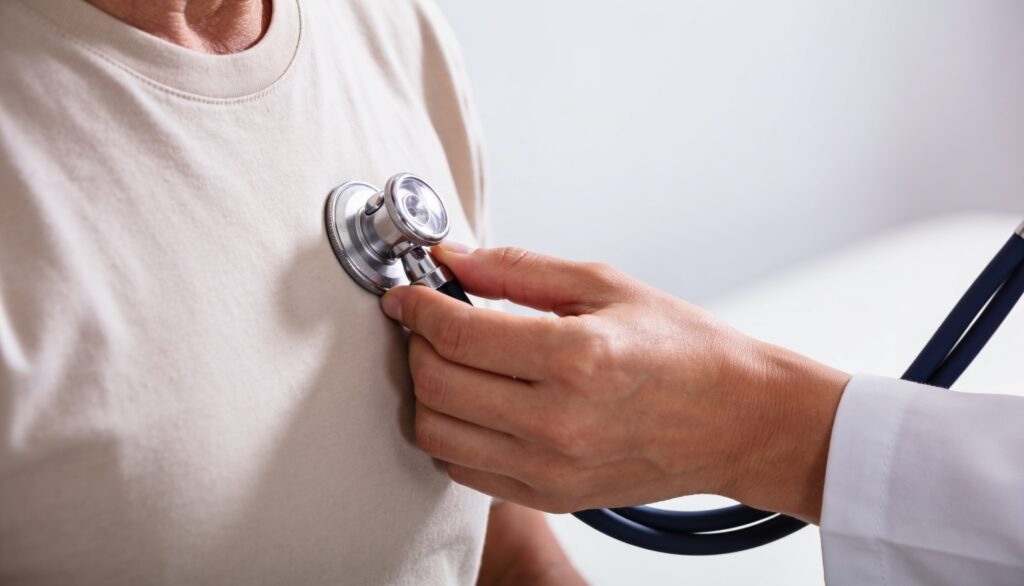
Quick answer: A general practitioner (GP), or family doctor, is your first point of contact for most health concerns. They diagnose and treat common illnesses, monitor chronic conditions such as diabetes and blood pressure, provide check-ups and vaccinations, and refer you to specialists when more focused care is needed.
What does a general practitioner (family doctor) actually do?
A GP looks after your general health across all ages, rather than focusing on a single organ or disease. They are trained to assess a wide range of symptoms, decide what is likely going on, and either treat it directly or guide you to the right next step.
Day to day, a family doctor may:
- Assess and treat common short-term illnesses such as coughs, sore throats, fever, stomach upsets and skin complaints.
- Monitor and help manage long-term (chronic) conditions like diabetes, high blood pressure and high cholesterol.
- Offer general health check-ups, vaccinations and lifestyle advice.
- Order and interpret routine blood tests and basic investigations.
- Refer you to a specialist when a condition needs more focused expertise.
At Dr. Sunny Medical Centre, family medicine sits at the centre of care, helping patients in Sharjah, Umm Al Quwain, Ajman and across the UAE find the right support without having to guess which specialist to see first.
Which conditions can a GP manage at the clinic?
A GP can handle the large majority of everyday medical issues. More complex or specialist-only conditions are referred onward, but the family doctor usually stays involved in coordinating your overall care.
Common areas a GP helps with include:
- Acute illnesses: colds, flu-like illness, throat and chest infections, urinary symptoms, minor injuries and rashes.
- Chronic disease monitoring: reviewing diabetes, blood pressure, cholesterol, thyroid concerns and asthma over time.
- Preventive care: routine check-ups, vaccinations and screening discussions.
- General wellbeing: tiredness, sleep problems, stress, weight concerns and lifestyle change.
- First assessment of new symptoms: headaches, joint or back pain, digestive complaints and more.
If you live with diabetes or high blood pressure, regular GP reviews are an important part of keeping things stable. You can read more in our guides on managing diabetes and hypertension and on general health check-ups.
Why does having a regular GP help?
Seeing the same family doctor over time means someone knows your history, your medications and what is normal for you. That continuity often leads to safer, faster and more joined-up care.
Benefits of having a regular GP include:
- Your medical history, allergies and ongoing treatments are known and considered together.
- Changes in your health can be spotted earlier and followed up.
- Care across different specialists can be coordinated through one trusted point of contact.
- Health advice is tailored to your age, family background and lifestyle.
What should I expect during a GP visit?
A typical visit is a conversation followed by a focused examination. The aim is to understand your concern, rule out anything serious, and agree on a sensible plan together.
During a consultation, your GP will usually:
- Ask about your symptoms, how long they have lasted and your past medical history.
- Review any medications, allergies and relevant family history.
- Carry out an examination relevant to your concern (for example, checking blood pressure, listening to your chest or examining a painful area).
- Arrange tests if needed and explain the results.
- Discuss treatment options, lifestyle steps and whether a follow-up or referral is needed.
It helps to bring a list of your current medicines, any previous reports, and the questions you most want answered.
When should I see a GP versus a specialist?
For most new or general health concerns, a GP is the right place to start. A specialist is usually involved once a condition is identified that needs deeper, focused expertise — and your GP can guide that referral.
| Start with a GP when… | A specialist may be needed when… |
|---|---|
| You have a new or unclear symptom and are not sure what is wrong | A diagnosis points to a specific area needing focused care |
| You need everyday illness treatment, check-ups or vaccinations | A condition is complex, advanced or not improving as expected |
| You are managing a stable chronic condition | A procedure, advanced imaging or specialist treatment is required |
| You want guidance on which type of doctor to see | Your GP recommends a referral after assessment |
For example, ongoing joint trouble might first be reviewed by a GP and then referred to an orthopaedic doctor — you can learn more in our guide on back pain and when to see an orthopaedic specialist. Whether you see a GP or a specialist first, both at Dr. Sunny Medical Centre work together to keep your care connected.
When should I seek urgent care instead?
Some symptoms need immediate attention rather than a routine appointment. If you experience any warning signs, do not wait for a scheduled visit.
Seek urgent or emergency care for symptoms such as:
- Chest pain, severe shortness of breath or sudden weakness on one side of the body.
- Severe or uncontrolled bleeding, or a serious injury.
- Sudden confusion, fainting or a severe, unusual headache.
- Any symptom that feels severe, rapidly worsening or frightening.
When in doubt, it is always safer to be checked. Costs vary by case and the care needed — book a consultation to discuss your situation.
Frequently Asked Questions
Is a GP the same as a family doctor?
Yes. The terms general practitioner, GP and family doctor generally refer to the same role — a doctor trained to care for patients of all ages across a broad range of health concerns and to coordinate further care when needed.
Can a GP manage my diabetes or blood pressure?
In many cases, yes. GPs commonly monitor and help manage stable chronic conditions such as diabetes and high blood pressure, and they refer to a specialist if the condition becomes complex. Your treatment plan should always be confirmed with your own doctor.
Do I need a referral from a GP to see a specialist?
This depends on your situation and insurance arrangements. A GP can assess your concern and provide a referral when specialist care is appropriate. The clinic can explain what applies in your case.
How often should I see my GP?
It varies. People with chronic conditions may need regular reviews, while others may visit mainly for illness or check-ups. Your GP can recommend a follow-up schedule based on your health.
What should I bring to my appointment?
Bring a list of your current medicines, any allergies, previous medical reports or test results, and the main questions you want to ask. This helps your GP give clearer, more personalised advice.
Does Dr. Sunny Medical Centre have more than one branch?
Yes. Dr. Sunny Medical Centre serves patients in Sharjah and has an Umm Al Quwain branch, making family medicine accessible across the region.
This article is for general information and is not a substitute for professional medical advice.
Looking for a family doctor you can return to? The team at Dr. Sunny Medical Centre welcomes patients in Sharjah and Umm Al Quwain for everyday care, check-ups and chronic-condition support. Contact us to book a consultation and take the first step toward more connected care.