Laser Hair Removal in the UAE: How It Works and What to Expect

Quick answer: Laser hair removal uses focused light absorbed by the pigment in hair to gently heat and disable hair follicles, reducing regrowth over time. Because hair grows in cycles, a course of several sessions is usually needed. Suitability depends on your skin and hair type, so a clinic assessment is recommended.

Laser hair removal is one of the most common cosmetic skin treatments requested in the UAE, where a diverse population means a wide range of skin tones and hair types. This guide explains how the treatment works, who it suits, what a session feels like, and how to look after your skin — so you know what to expect before booking.

How does laser hair removal actually work?

Laser hair removal works by directing a beam of light at the hair. The pigment (melanin) in the hair absorbs the light, which converts to heat and disables the follicle so it produces finer, lighter hair or stops growing for a time.

A few key points to understand:

  • The laser targets pigment in the hair, not the surface of the skin, which is why modern devices include cooling to protect the skin.
  • Hair grows in cycles, and the laser is most effective on hairs in their active growth phase. Only a portion of your hair is in that phase at any one time.
  • Results build gradually. It is best thought of as long-term hair reduction rather than a one-off, permanent removal.

Is laser hair removal suitable for all skin and hair types?

Most people can be treated, but suitability varies with your skin tone and hair colour. The treatment generally works best where there is a clear contrast between hair and skin, and different laser technologies are designed for different skin tones.

In a multi-ethnic population like the UAE, an in-person assessment matters because the right device and settings differ from person to person:

  • Dark hair contains more pigment and tends to respond well.
  • Very light, grey, red or white hair has little pigment for the laser to target, so it typically responds poorly.
  • Darker skin tones can be treated safely with suitable devices and settings, but require careful selection to reduce the risk of side effects.

Because every case is different, the most reliable way to know if you are a good candidate is a consultation, where a clinician can examine your skin and hair and recommend an approach.

How many sessions will I need, and how often?

A course of several sessions is usually needed, spaced a few weeks apart, because the laser only affects hairs that are in their active growth phase at the time of treatment.

The exact number of sessions and the spacing depend on the treatment area, your hair type and how your skin responds, so this is planned individually. Many people also have occasional maintenance sessions later on. Your clinician will outline a realistic schedule for your situation rather than promising a fixed result.

Stage What typically happens
Consultation Skin and hair assessment, a discussion of suitability, expectations and any patch test if advised
Treatment course A series of sessions a few weeks apart, with gradual reduction in hair over the course
Maintenance Occasional top-up sessions as needed, depending on the individual

What does a laser hair removal session feel like?

Most people describe the sensation as a quick, warm snap against the skin, a bit like a light flick of an elastic band. Many modern devices use cooling to keep the skin comfortable.

During a session you can usually expect:

  • Protective eyewear for you and the clinician.
  • A short treatment time for small areas; larger areas take longer.
  • Mild redness or slight warmth afterwards, which commonly settles within hours to a day or two.

Comfort varies from person to person and by body area. If you have concerns about sensitivity, mention them at your consultation so they can be discussed.

How should I prepare and care for my skin afterwards?

Good preparation and aftercare help the treatment work well and keep your skin comfortable. Always follow the specific instructions your clinic gives you, as advice can vary by device and skin type.

Commonly recommended steps include:

  • Before: avoid plucking, waxing or epilating in the weeks before treatment (shaving is usually fine, as it leaves the root intact), and avoid heavy sun exposure or tanning beforehand.
  • On the day: arrive with clean skin, free of make-up, deodorant or lotions on the treatment area unless told otherwise.
  • After: soothe the skin as advised, avoid hot baths, saunas and intense exercise for the rest of the day, and protect the area from the sun with high-factor sunscreen.

Sun protection is especially important in the UAE climate, both to support results and to reduce the risk of pigmentation changes.

Is laser hair removal safe, and who should avoid it?

When performed by a trained professional on suitable candidates, laser hair removal is widely considered a safe cosmetic procedure. Side effects are usually mild and temporary, such as redness, slight swelling around the follicles or short-lived sensitivity.

Some people should delay treatment or seek tailored advice first, including those who:

  • Are pregnant (treatment is generally postponed as a precaution).
  • Have a recent tan, sunburn or are using certain light-sensitising medications.
  • Have active skin infections, certain skin conditions, or a history of unusual scarring in the treatment area.

This is not a complete list. A consultation lets a clinician review your medical history and skin so the treatment can be planned safely, or alternatives suggested if laser is not right for you. You can also choose practitioners who follow MOHAP-regulated standards of care.

Frequently Asked Questions

Is laser hair removal permanent?

It is best described as long-term hair reduction rather than permanent removal. Many people enjoy a lasting reduction in hair, but occasional maintenance sessions are sometimes needed.

How much does laser hair removal cost in the UAE?

The cost varies by case, depending on the treatment area and the plan recommended for you. Book a consultation at Dr. Sunny Medical Centre for a personalised quote.

Does laser hair removal hurt?

Most people find it well tolerated, describing a quick warm snap. Cooling on many devices helps keep the experience comfortable, though sensation varies by person and body area.

Can I shave between sessions?

Yes, shaving is usually allowed between sessions because it leaves the hair root intact. Plucking, waxing and epilating are generally avoided, as they remove the root the laser targets. Follow your clinic’s specific advice.

How soon will I see results?

Results build gradually over a course of sessions as treated hairs shed and regrowth becomes finer and sparser. Your clinician can give you a realistic expectation for your skin and hair type.

Is laser hair removal safe for darker skin tones?

Yes, with suitable devices and correct settings, darker skin can be treated safely. This is why an in-person assessment is important before starting treatment.

This article is for general information and is not a substitute for professional medical advice.

Thinking about laser hair removal? The team at Dr. Sunny Medical Centre can assess your skin and hair and recommend a personalised plan. Book a consultation at our Sharjah clinic or our Umm Al Quwain branch to discuss whether the treatment is right for you. You can also learn more about the clinic before your visit.
Pigmentation & Melasma: Causes and How Dermatologists Treat Them

Quick answer: Pigmentation is darkening of the skin caused by extra melanin; melasma is a specific, hormone- and sun-driven type that forms symmetrical patches on the face. Dermatologists treat both with strict sun protection, topical creams, chemical peels and, in selected cases, laser — tailored to your skin and reviewed over time.

What is the difference between pigmentation and melasma?

“Pigmentation” is a broad term for any patch of skin that becomes darker than the surrounding area. Melasma is one particular type of pigmentation, usually appearing as symmetrical brown or greyish patches on the cheeks, forehead, upper lip or bridge of the nose.

Common forms of increased pigmentation include:

  • Post-inflammatory hyperpigmentation (PIH) — marks left behind after acne, eczema, injury or irritation.
  • Sun spots (solar lentigines) — flat brown spots from years of sun exposure.
  • Freckles — small spots that often darken in the sun.
  • Melasma — larger, symmetrical facial patches closely linked to hormones and sunlight.

Because these look similar but respond differently to treatment, a dermatologist’s assessment matters. The right diagnosis guides the safest and most effective plan for your skin.

What causes melasma and pigmentation, especially in the UAE?

Most pigmentation is driven by the skin producing extra melanin, often triggered by sunlight, hormones, inflammation or a combination. In a sunny climate like the UAE, ultraviolet exposure is a particularly important factor.

Frequent triggers include:

  • Sun and visible light — a major driver of melasma and sun spots; relevant year-round in Sharjah, Umm Al Quwain and across the Emirates.
  • Hormonal changes — pregnancy, certain hormonal medications and the contraceptive pill are commonly associated with melasma.
  • Skin inflammation or injury — acne, picking, harsh products or procedures can leave dark marks.
  • Genetics and skin type — pigmentation tends to be more visible and persistent in deeper skin tones.
  • Heat — warmth may also play a role for some people with melasma.

Identifying your personal triggers is part of the consultation, because controlling them is often as important as any cream or device.

How do dermatologists treat pigmentation and melasma?

Treatment is usually layered: sun protection first, then topical creams, with peels or laser added in selected cases. Melasma in particular tends to need ongoing management rather than a one-off fix.

Common approaches a dermatologist may consider include:

  • Daily sun protection — broad-spectrum sunscreen, reapplication and physical measures such as hats and shade. This is the foundation of every plan.
  • Topical treatments — prescription or cosmetic creams that help fade and even out tone over weeks to months.
  • Chemical peels — controlled exfoliation to help reduce surface pigment, chosen carefully according to skin type.
  • Laser and light-based devices — used selectively, as some pigmentation (especially melasma) can worsen if the wrong setting or device is used.
  • Supportive facials — gentle in-clinic treatments such as a HydraFacial may complement a medical plan by cleansing and hydrating the skin.

Which combination suits you depends on your diagnosis, skin tone and history, so plans are individualised and adjusted at follow-up.

Which treatment is right for my type of pigmentation?

The best option depends on what is causing the pigmentation, how deep it sits and your skin type. The overview below is general guidance — only a dermatologist can confirm what is appropriate for you.

Type Typical features Approaches often considered
Sun spots Flat brown spots on sun-exposed areas Sun protection, topicals, peels, selected lasers
Post-inflammatory marks Dark marks after acne or irritation Treat the cause, sun protection, topicals, gentle peels
Melasma Symmetrical facial patches, hormone-linked Strict sun protection, topicals, cautious peels/laser

Melasma is generally the most stubborn and the most likely to return, which is why a conservative, dermatologist-led approach is recommended rather than aggressive treatment.

What results can I realistically expect?

Pigmentation usually fades gradually rather than disappearing overnight, and results vary from person to person. Melasma can often be improved and controlled, but it may recur, especially with sun exposure or hormonal changes.

Realistic expectations include:

  • Improvement measured over weeks to months, not days.
  • Maintenance — particularly sun protection — to hold results and reduce relapse.
  • No guaranteed or permanent “cure”, especially for melasma.

Your dermatologist will explain a likely timeline for your situation and review progress at follow-up visits.

How can I prevent pigmentation from getting worse?

Consistent sun protection and gentle skincare are the most effective ways to prevent pigmentation from worsening or returning. This is true for everyone, but especially in the UAE’s high-sun environment.

  • Use broad-spectrum sunscreen daily and reapply during the day.
  • Seek shade and use hats or sunglasses when outdoors.
  • Avoid picking at spots or using harsh, irritating products.
  • Treat acne and skin irritation early to limit marks.
  • Introduce active ingredients gradually and ideally with professional guidance.

If you are pregnant or planning pregnancy, mention this at your consultation, as it affects which treatments are suitable.

Frequently Asked Questions

Is melasma the same as normal pigmentation?

No. Melasma is a specific type of pigmentation that forms symmetrical facial patches and is strongly linked to sun and hormones. It tends to be more stubborn and more likely to recur than other pigmentation.

Can pigmentation be removed completely?

Many forms of pigmentation can be significantly improved, but results vary and some types — particularly melasma — may return. A dermatologist can give you a realistic expectation for your skin.

Does sunscreen really help with melasma?

Yes. Daily broad-spectrum sun protection is one of the most important parts of treating and preventing melasma, because sunlight is a major trigger. It is recommended alongside any other treatment.

Is laser safe for darker skin tones?

Laser can be used in selected cases, but it must be chosen carefully because some devices or settings may worsen pigmentation in deeper skin tones. This is why an in-person dermatologist assessment is important.

How long does pigmentation treatment take to work?

Improvement is usually gradual, typically over weeks to months, and depends on the type of pigmentation and your skin. Your dermatologist will outline a likely timeline at your consultation.

How much does pigmentation treatment cost?

Cost varies by case, depending on your diagnosis and the plan recommended for you. Book a consultation at Dr. Sunny Medical Centre for a personalised quote.

This article is for general information and is not a substitute for professional medical advice.

If you are concerned about dark patches or uneven skin tone, a personalised assessment is the best next step. Book a consultation at Dr. Sunny Medical Centre in Sharjah or our Umm Al Quwain branch, and our team will help you build a safe, realistic plan for your skin.

Acne Treatment in Sharjah & the UAE: A Dermatologist’s Guide

Quick answer: Acne is treated by matching the approach to its severity: topical creams for mild cases, oral medicines for moderate-to-severe acne, and in-clinic procedures such as chemical peels, deep-cleansing facials or laser to support results. A dermatologist tailors a plan and reviews progress over time.

Acne is one of the most common skin concerns we see, and it affects teenagers and adults alike. The good news is that, in most cases, it responds well to treatment once the approach is matched to the type and severity of the breakouts. This guide explains the common causes, the main options, and how our climate in Sharjah, Umm Al Quwain and across the UAE can play a role.

What actually causes acne?

Acne develops when hair follicles (pores) become blocked by a mix of excess oil and dead skin cells, which can then become inflamed. It is a medical skin condition, not a sign of poor hygiene.

Several factors commonly contribute:

  • Excess oil (sebum) production by the skin.
  • Blocked pores from a build-up of dead skin cells.
  • Bacteria within the follicle that can trigger inflammation.
  • Hormonal changes — for example during puberty, the menstrual cycle, or with certain conditions.
  • Other triggers such as some cosmetics, friction from masks or helmets, certain medicines, and stress.

Genetics and individual skin type also play a part, which is why two people with similar habits can have very different skin.

What are the main acne treatment options?

Treatment is generally chosen according to how mild, moderate or severe the acne is, and how it is responding over time. Most plans combine a daily skincare routine with one or more active treatments.

Broadly, options fall into these groups:

  • Topical treatments — creams, gels or lotions applied to the skin. Commonly used ingredients address blocked pores, oil and inflammation.
  • Oral medicines — tablets prescribed for moderate-to-severe or persistent acne. These require medical supervision and, in some cases, monitoring.
  • In-clinic procedures — such as chemical peels, deep-cleansing facials and certain light- or laser-based treatments, used to support a medical plan.

The right combination depends on your skin, your history and any other health factors, so a personalised assessment matters.

Approach Often suited to What to know
Topical treatments Mild to moderate acne Applied at home; results build gradually over several weeks.
Oral medicines Moderate to severe or stubborn acne Prescription only; may need follow-up and monitoring.
In-clinic procedures Support alongside a medical plan, and acne marks Performed by trained professionals; usually a course of sessions.

Can in-clinic procedures like chemical peels or facials help?

Yes — in-clinic procedures can support an acne plan and help with the marks acne can leave behind, but they usually work best alongside a medical routine rather than on their own.

Commonly discussed options include:

  • Chemical peels — a solution is applied to exfoliate the skin’s surface, which may help with clogged pores and uneven skin texture or marks.
  • Deep-cleansing facials — gentle, hydrating treatments such as a HydraFacial aim to cleanse and unclog pores while soothing the skin.
  • Laser and light-based treatments — these may be considered in selected cases, often to address residual marks once active breakouts are controlled.

Suitability varies from person to person, so a dermatologist will advise whether a procedure is appropriate for your skin and how many sessions might be involved. Costs vary by case — book a consultation for a personalised quote.

What daily skincare habits help manage acne?

A simple, consistent routine often supports treatment more than frequent product changes. Gentle care is usually better than harsh scrubbing, which can irritate the skin.

  • Cleanse twice daily and after heavy sweating, using a gentle cleanser.
  • Avoid aggressive scrubbing, picking or squeezing, which can worsen marks.
  • Choose products labelled non-comedogenic (less likely to clog pores).
  • Use a light, suitable moisturiser — even oily skin benefits from hydration.
  • Apply a broad-spectrum sunscreen daily, as some treatments increase sun sensitivity.
  • Give any treatment time to work, and try not to expect overnight results.

Does the UAE climate make acne worse?

Heat and humidity, frequent air-conditioning and sun exposure can all influence how the skin behaves, and some people notice more oiliness or breakouts in the warmer months. Sweat and heavy sunscreen or make-up left on the skin may also contribute.

Practical steps that often help in our climate include cleansing after sweating, choosing lightweight non-comedogenic products, staying hydrated, and not skipping daily sun protection. If your skin reacts strongly to the season, a dermatologist can adjust your routine accordingly.

When should I see a dermatologist for acne?

It is worth seeing a dermatologist if acne is persistent, painful or widespread, if over-the-counter products are not helping after several weeks, or if breakouts are affecting your confidence. Early advice can also reduce the risk of long-term marks.

You should seek a professional review if you notice:

  • Deep, painful or cyst-like spots.
  • Acne that is spreading or not improving with home care.
  • Scarring or persistent dark marks.
  • A significant emotional impact from your skin.

At Dr. Sunny Medical Centre, our team can assess your skin and recommend a plan suited to you. You can get in touch to arrange a consultation at our Sharjah branch or our Umm Al Quwain branch.

Frequently Asked Questions

Is acne only a teenage problem?

No. While acne is very common during the teenage years, many adults experience it too, including for the first time later in life. Adult acne is recognised and treatable.

Does diet cause acne?

Diet’s role varies between individuals and is still being studied. Some people notice triggers, but acne is driven mainly by oil, blocked pores, bacteria and hormones. A dermatologist can advise on what may be relevant for you.

Will popping pimples make them go away faster?

No. Squeezing or picking spots can push inflammation deeper, slow healing and increase the risk of marks or scarring. It is best to leave spots alone and follow your treatment plan.

How long does acne treatment take to work?

Most treatments work gradually, and noticeable improvement often takes several weeks of consistent use. Your dermatologist will review progress and adjust the plan if needed.

Can acne be cured permanently?

Acne can often be controlled very well, though some people are prone to flare-ups over time. The aim is to clear active breakouts, reduce marks and keep the skin settled with an ongoing routine.

How much does acne treatment cost in the UAE?

Cost depends on the treatment plan and number of sessions, so it varies by case. Book a consultation at Dr. Sunny Medical Centre for a personalised quote.

This article is for general information and is not a substitute for professional medical advice.

If acne is bothering you, you do not have to manage it alone. Book a consultation with the team at Dr. Sunny Medical Centre in Sharjah or Umm Al Quwain for a personalised assessment and a plan suited to your skin.

How to regrow thinning hair?

hair loss

How to regrow thinning hair?

Are you experiencing hair loss, hair thinning or scalp related problems like itching & dandruff? If you are facing these problems & wondering how to regrow thinning hair & improve your hair health, we are here to help you. Choose from the wide variety of treatments related to hair problems offered by Sunny Derma. We can help you restore your hair’s health and vitality with the following treatments.

PRP (Platelet Rich Plasma) Therapy: PRP involves drawing a small amount of your own blood, processing it to concentrate the platelets, and then injecting the platelet-rich plasma into the scalp. PRP contains growth factors that can stimulate hair growth, improve hair thickness, and enhance overall hair health.

Mesotherapy: Mesotherapy involves the injection of a customized blend of vitamins, minerals, amino acids, and growth factors into the scalp. This treatment nourishes the hair follicles, improves blood circulation, and promotes hair growth. The results might take time as the scalp needs time to absorb the essential nutrients.

Microneedling: Microneedling, also known as collagen induction therapy, uses tiny needles to create controlled micro-injuries in the scalp. This process stimulates the production of collagen and enhances the absorption of topical hair growth products, leading to improved hair growth and thickness.

Stem Cell Therapy: Stem cell therapy involves using stem cells derived from your own body or from specialized sources to promote hair growth. These stem cells have regenerative properties that can stimulate dormant hair follicles and enhance hair growth.

Our experienced specialist dermatologists will evaluate your specific hair concerns and recommend the most suitable treatment or combination of treatments to address your needs effectively. We personalize our approach to ensure the best possible outcome for your unique situation.

If you’re interested in exploring these hair treatments further or have any questions, we invite you to schedule a consultation with our expert dermatologists. Our dermatologists can provide a comprehensive assessment and develop a customized treatment plan tailored to your specific hair restoration goals.

Unlock Your Best Look with Laser Beard Shaping for Men

Laser Hair Removal for Men

Unlock Your Best Look with Laser Beard Shaping for Men

Do you want a perfectly sculpted beard that enhances your cheekbones and elevates your aesthetic appearance? If yes, say goodbye to traditional grooming methods like shaving and waxing and choose laser beard shaping service at Sunny Derma. Get your desired smoother and more refined look without any hassles.

What Is Laser Beard Shaping?

Laser beard shaping is a cutting-edge procedure designed to precisely target and eliminate unwanted facial hair. This treatment is perfect for men who want a well-defined beard line without the drawbacks of traditional grooming methods. By using advanced laser technology, we can sculpt your beard with precision, leaving your skin unharmed.

Why go for laser beard shaping?

Efficiency: Daily shaving can be time-consuming. Laser beard shaping provides a long-lasting solution, saving you time and effort.

No irritation or razor burns: Most men would have experienced cuts and irritation while using razors and it can be painful and unsightly. With laser beard shaping, you can avoid these common woes.

Achieve Any Look: Whether you prefer a classic goatee, a full beard, or a clean-shaven appearance, laser beard shaping can help you achieve the desired look effortlessly.

If you’re seeking a well-groomed beard without the hassles of constant upkeep, laser beard shaping is the answer. Don’t let stubble ruin your sculpted look or endure the discomfort of razor cuts and ingrown hairs. Experience the freedom and confidence that comes with laser beard shaping at Sunny Derma.

Why Choose Sunny Derma?

As a leading provider of laser treatments in the UAE, Sunny Derma is committed to delivering the best results. Our expert dermatologists are dedicated to helping you achieve your dream look with the latest techniques and practices.

Start your journey towards a hassle-free, well-defined beard by simply scheduling an appointment. For any further questions contact us today.

Cosmetic Treatments to Conquer all your Skin Concerns

Cosmetic Treatments to Conquer all your Skin Concerns

Cosmetic Treatments to Conquer all your Skin Concerns

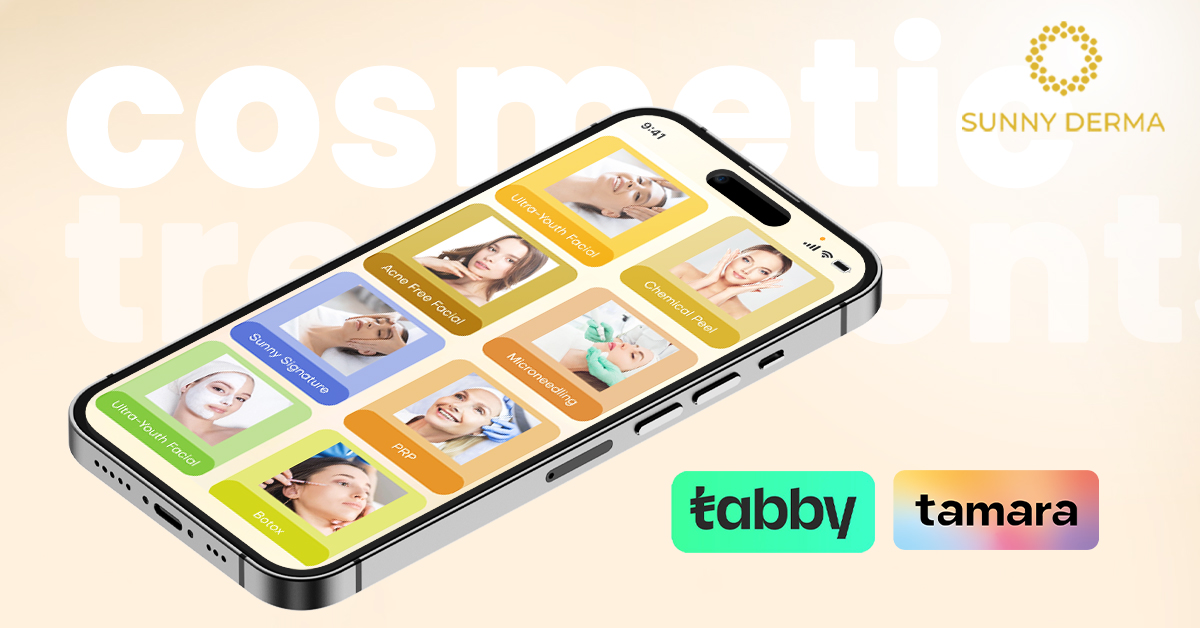
Do you also dream of getting dewy and flawless skin like the lead actors of your favourite K-drama, but skin concerns like fine lines, pigmentation, acne, signs of ageing bothering you? They won’t trouble you anymore if you decide to visit Sunny Derma. We have the best cosmetic treatments to conquer all your skin concerns. Interested to know our popular cosmetic treatments, don’t skip reading this post.

Our specialist dermatologists are experts in providing several cosmetic procedures based on your skin type and concern. Let’s have a look at some of the most common concerns and treatments available at Sunny Derma for the best possible results.

Acne: Acne is a common skin condition that not only bothers the teens but is also a cause of concern in adults. Even if acne disappears after some days but the scars, they leave behind become a forever concern. 

At Sunny derma we can treat both acne as well as acne scars. We have a specialized facial christened Acne-free facial that can efficiently fight active pimples and it can be combined with other acne treatments such as microneedling and chemical peels after assessing the cause of acne breakout and skin type of the patient. These treatments will not only get rid of the acne but also get rid of the stubborn acne marks.

Signs of ageing: Fine lines, wrinkles, cheeks and lips losing their volume are all considered as signs of ageing. As you guessed it, we have cosmetic solutions for all these ageing related problems.

Our popular anti-ageing treatments include medifacials such as ultra-youth facial, carbon facial that can keep people guessing about your real age. Other than facials we have botox treatment to reduce fine lines and wrinkles. Fillers that can help you with increasing volume of your cheeks and lips. Thread lift that can help gently ‘lift’ the mild sagging that occurs as we age.

Dark Circles: Hectic schedules, stress, not getting enough sleep can all lead to the darkening of your skin under your eyes. If you are tired of concealing those dark circles you can opt for our eye lightening procedure that can give you amazing results. You can also opt for PRP or Mesotherapy based on the severity of the dark circles.

Pigmentation: Pigmentation is a common problem faced by many individuals and is caused by the deposition of the pigment melanin. Overexposure to sun or even some genetic issues can trigger pigmentation. We have different procedures in place to treat pigmentation including cosmetic peels, mesotherapy to lasers. For instance, if you want to get rid of pigmentation on your lips you can opt for our lip lightening procedure that makes use of both cosmetic peels as well as laser.

Obvious Pores: Skin pores is common for all age groups, and if enlarged pores are bothering you we can help minimizing them with our special sunny facials. Our H-ydra facial and acne-free facial can help greatly in minimizing the open pores.

Unwanted body Hair: Unwanted body hair can be a concern for a lot of individuals and shaving and waxing on a regular basis can be a frustrating experience. To help you out with this issue we offer the safest and best laser treatment in Sharjah.

No matter what your skin concern is, you can book an appointment with us to schedule a consultation with our ace dermatologists. With their wealth of experience they can guide you about the best possible treatment that will put a full stop to all your skin worries.

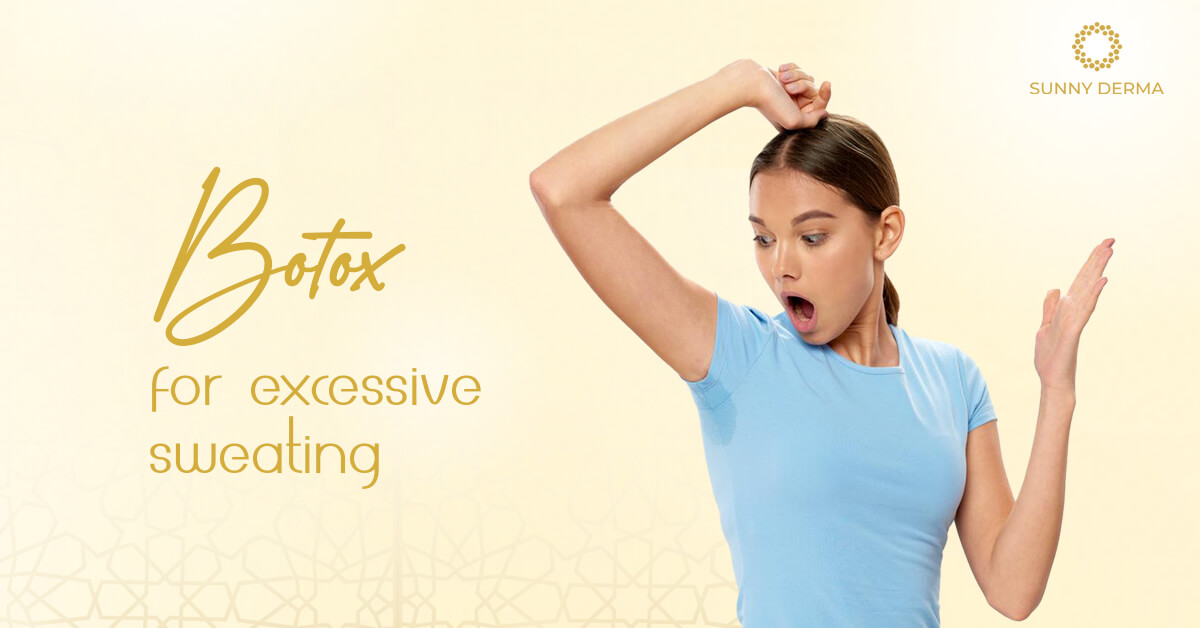
Beat Excessive Sweating with Botox

best botox for excessive sweating

Do you feel embarrassed about the sweat stains under your arms? Does it hamper your confidence while being a part of a business or social gathering? If so, you are not alone as excessive sweating (Hyperhidrosis) is a common problem faced by most of us. Excessive sweating may also be experienced on the palms or soles of the feet. People suffering from hyperhidrosis can find few daily tasks difficult. In some severe cases people suffering from hyperhidrosis may find it difficult to hold a pen or even grip a car steering.

Causes of Excessive Sweating are:

Neurologic, endocrine, infectious and other systemic diseases can trigger hyperhidrosis, most cases occur in people who are otherwise healthy. Heat and emotions may also cause hyperhidrosis, but people who suffer from hyperhidrosis sweat regardless of their mood or weather.

Treatment

After analyzing the causes and triggers of hyperhidrosis, your doctor can suggest a judicious treatment and most people suffering from this annoying disorder can achieve great results and improved quality of life.
Botox, usually associated with cosmetic treatments like wrinkle and fine line reduction is an effective treatment for hyperhidrosis. Botox injection uses botulinum toxin that blocks the nerve signals responsible for sweating, hence stopping the sweat glands from producing too much sweat. Botox injection is mostly successful when excessive sweating is confined to one area of the body. The underarms, particularly respond well.

The procedure is quick and simple. The area that needs to be treated is coated with numbing cream one hour prior to taking the injection. The physician then will clean the area and inject with tiny needles. Temporary bruising, swelling or tenderness may be noticed after the procedure. It typically takes five days to start seeing the results partially and two weeks to see full results.

Botox treatment is not recommended for women who are pregnant or for people with history of neuromuscular disorders.

Book a consultation with our Specialist Dermatologist

7 Benefits of Dermal Fillers

dermal fillers in sharjah

7 Benefits of Dermal Fillers

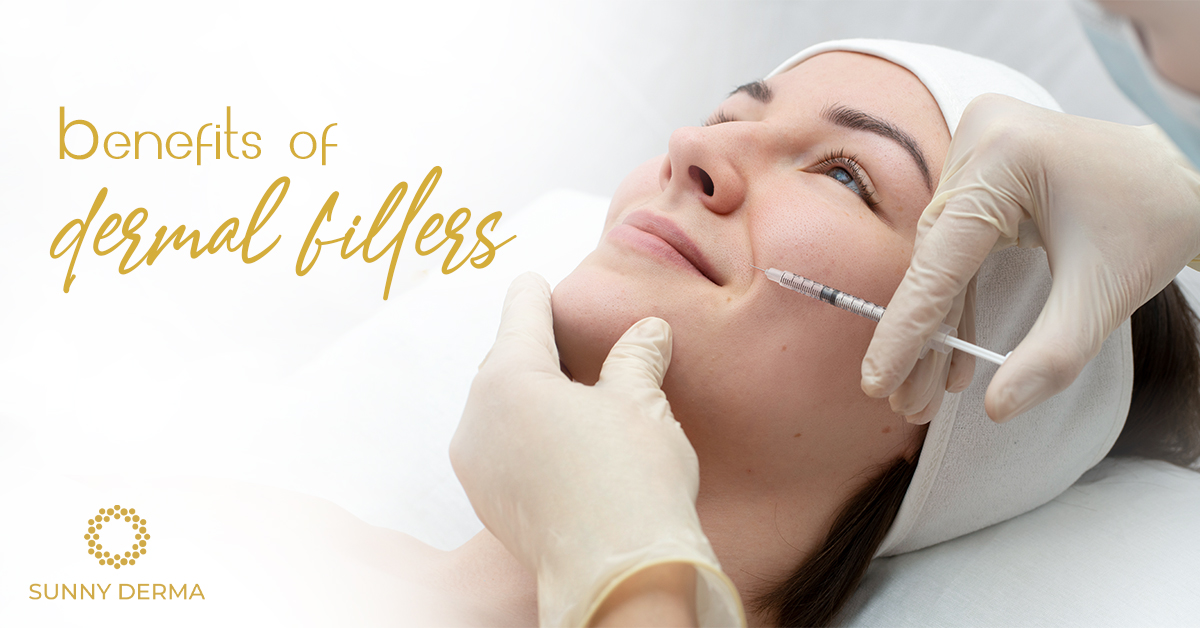
Do you want to reduce wrinkles, enhance your facial features, or restore volume to areas that have lost fullness? If yes, then simply go for modern fillers, also known as dermal fillers or soft tissue fillers. Used in cosmetic dermatology, fillers have a myriad of benefits including: 

Wrinkle Reduction: Fillers can effectively reduce the appearance of wrinkles and fine lines on the face. They are commonly used to address smile lines (nasolabial folds), marionette lines, crow’s feet, and forehead wrinkles. By injecting the filler into the targeted areas, the skin becomes smoother and more youthful looking.

Volume Restoration: As we age, we tend to lose volume in certain areas of the face, leading to a hollow or sunken appearance. Skin fillers can restore volume to these areas, such as the cheeks, temples, and under-eye hollows. They can also be used to plump the lips and enhance their shape.

Non-Surgical Option: Dermal fillers provide a non-surgical alternative to more invasive procedures, such as facelifts or brow lifts. The injections are minimally invasive and generally require little to no downtime. This makes them a popular choice for individuals seeking facial rejuvenation without the risks and recovery associated with surgery. For instance, fillers like Hyaluronic Acid (HA) and Biostimulants are used to construct the chin to the desired shape.

Quick Results: The effects of skin fillers are typically visible immediately after the treatment, although there might be some initial swelling or redness. This means you can see the results right away without having to wait for an extended period.

Longevity: Modern skin fillers have improved longevity compared to older formulations. Depending on the type of filler used, the results can last from several months to over a year. Some fillers, such as hyaluronic acid-based ones, can be dissolved if desired, providing flexibility and control over the outcome.

Customizable Treatments: Skin fillers allow for precise and customizable treatments. The amount of filler injected, the injection technique, and the treatment areas can all be tailored to the individual’s specific needs and desired results. For instance, if you want a chiseled jawline, you can opt for jawline definition treatment.

Safety: Fillers have a well-established safety profile when administered by a qualified medical professional. The materials used in modern fillers are generally biocompatible and have been extensively tested for safety and efficacy.

If you are considering getting a dermal filler or need more details about the same, you can contact our expert dermatologists for the best guidance. So why wait, book your appointment straight away.

What’s the best facial to get acne-free skin?

Acne treatment

What’s the best facial to get acne-free skin?

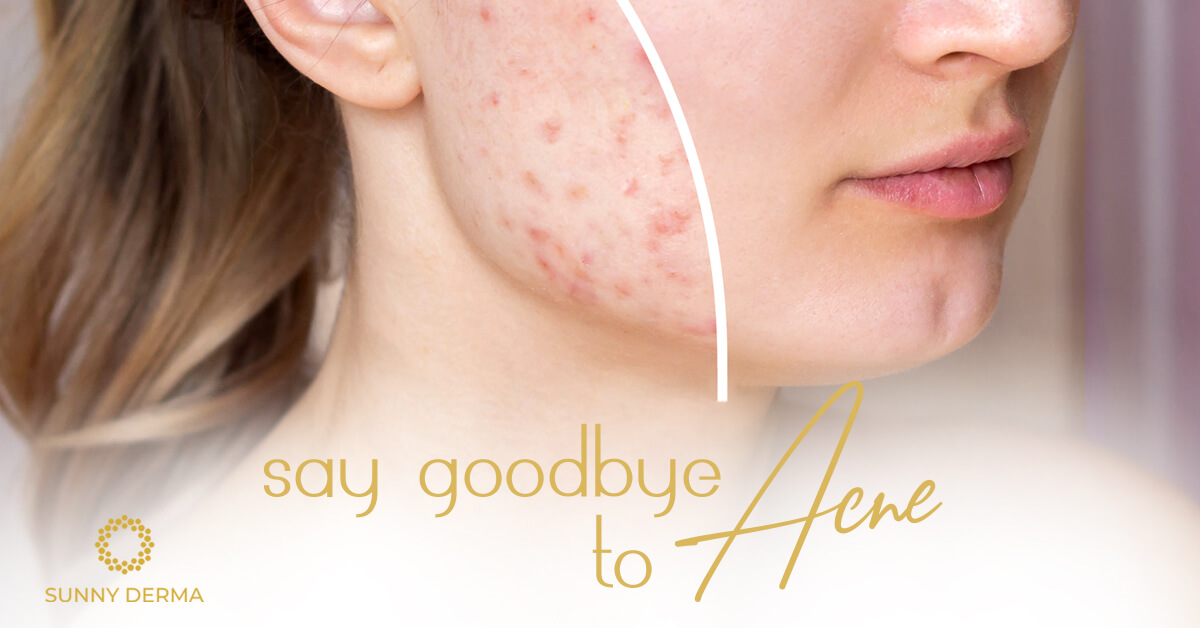
Everyone dreams of having flawless skin, but acne breakouts can crush these dreams. Acne is a common problem and facials can help in getting rid of them.

Though there isn’t a one-size-fits-all answer to the best facial for acne treatment, as different individuals may have varying skin types and concerns. However, several facials have shown effectiveness in helping to improve acne-prone skin. Here are a few which are quite popular:

Chemical Peel: Chemical peels involve applying a solution to the skin that exfoliates the outer layer, helping to unclog pores and reduce acne. Peels with ingredients like salicylic acid or glycolic acid are commonly used for acne-prone skin.

Microneedling: This procedure exfoliates the skin, removing dead skin cells, promoting cell turnover and revealing fresher, smoother skin. It can help reduce the appearance of acne scars and improve overall skin texture.

Sunny Derma’s Acne-free Facial: If you want to remove the excess oil, minimize open pores, reduce active pimples, get rid of black heads, Sunny Derma’s acne-free facial is the best treatment for you. Besides cleansing, scrubbing and comedo extraction this facial uses h-dra vacuum to remove the dead skin cells and excess oil for cleaner pores.

It’s important to note that while facials can be helpful for acne, they should be combined with a comprehensive skincare routine and lifestyle habits that promote healthy skin. Additionally, it’s recommended to consult with a dermatologist or skincare professional who can assess your skin’s specific needs and recommend the best facial treatment for you.

If you want to say goodbye to acne and get clear skin, you need to opt for Sunny Derma’s acne-free facial now. Call us today to book your appointment.

Laser Beard Shaping for Men

Laser Hair Reduction Removal for men

Laser Beard Shaping for Men

It is a common myth that laser hair removal is only meant for women, but men can also benefit from this procedure. Shaving and waxing has become a thing of the past. Laser technology has made it easy to keep unwanted body hair at bay for a longer time.

Men can use cosmetic laser treatment on the tops of their cheeks, the stray hairs around their beard or mustache, and the neck where most ingrown hairs appear. If you want to keep your beard in shape and get that chiseled look, opt for our laser beard shaping procedure. A perfectly shaped beard adds to the aesthetic appearance as it adds a great dimension to your cheekbones.

What is Laser Beard Shaping?

Laser beard shaping utilizes laser on targeted areas where you do not want the hair to grow like neck and upper cheek. With laser men can have a more defined beard line without harming the facial skin.

Why Choose Laser Beard Shaping?

Daily shaving can be time consuming and can cause razor burn or ingrown hair which can cause great inconvenience. Whether you are keeping a simple goatee, a full beard or a clean-shaven look laser beard shaping can help you achieve the desired look. Say goodbye to stubble that grows back every next day distorting your sculpted look. To overcome all these issues all you need to do is ditch the razor and opt for laser.

The Bottom Line

If you want to get a clean beard without worrying about stubble, razor cuts while shaving and ingrown hair, laser beard shaping is your best option. If you want the best laser beard shaping experience, contact Sunny Derma and book your appointment today. As one of the top laser providers in UAE, we implement the latest techniques and practices to help you get rid of unwanted body hair. Our expert dermatologists will make sure to give you the best possible treatment that will help achieve your dream look.