Common Childhood Illnesses in the UAE and When to Seek Help

Quick answer: Most childhood illnesses in the UAE, such as colds, ear infections, tummy bugs, rashes and allergies, are mild and settle with rest, fluids and comfort care at home. Seek medical help for a baby under three months with fever, trouble breathing, signs of dehydration, a non-fading rash, drowsiness, or symptoms that worsen or do not improve.

Children fall ill often, especially once they start nursery or school, and most infections are part of a healthy, developing immune system. This guide explains the most common childhood illnesses families see in Sharjah, Umm Al Quwain and across the UAE, what you can do at home, and the warning signs that mean it is time to call or visit a doctor. It is general information only and does not replace a proper assessment.

What are the most common childhood illnesses in the UAE?

The illnesses children pick up most often are colds and flu, ear infections, tummy bugs (gastroenteritis), common rashes, and allergies. Most are caused by viruses, are self-limiting, and improve within a few days to about two weeks.

  • Colds and flu — runny or blocked nose, cough, sore throat, and sometimes fever. Young children can catch several colds a year.
  • Ear infections — often follow a cold; the child may pull at an ear, be irritable, or have ear pain and fever.
  • Tummy bugs (gastroenteritis) — vomiting and/or diarrhoea, sometimes with a mild fever and tummy cramps.
  • Common rashes — including viral rashes, heat rash, eczema flares and nappy rash.
  • Allergies — sneezing, itchy eyes, skin reactions, or food-related reactions. Dust and seasonal triggers are common in the region.

How can I care for a sick child at home?

For most mild illnesses, comfort care is enough: keep your child rested, offer plenty of fluids, and watch how they are doing over the next day or two. The single most important thing is keeping them hydrated.

  • Offer small, frequent drinks of water, milk or an oral rehydration solution, especially if there is fever, vomiting or diarrhoea.
  • Let your child rest and keep the room comfortable and not too warm.
  • Encourage easy, familiar foods when appetite returns; do not force eating.
  • For a blocked nose, saline drops and keeping the head slightly raised can help comfort.
  • Wash hands often and keep an unwell child home from nursery or school to limit spread.

This article does not give medication or dosing advice. Before giving any medicine, including fever or pain relief, confirm what is suitable for your child’s age and weight with a pharmacist or your doctor, and follow MOHAP guidance.

Why is hydration so important when children are unwell?

Children, and especially babies, lose fluid quickly through fever, vomiting, diarrhoea and the warm UAE climate, which can lead to dehydration. Keeping fluids going is the key to a safe recovery at home.

Watch for signs of dehydration, which include:

  • Fewer wet nappies or going much longer without passing urine
  • A dry mouth, no tears when crying, or sunken eyes
  • Unusual sleepiness, irritability, or a lack of energy

If you notice these signs, offer fluids steadily and seek medical advice, particularly for infants who can become dehydrated faster than older children.

When should I see a doctor for my child?

See a doctor, or seek urgent care, if your child shows any warning sign rather than waiting to see if it passes. Trust your instincts; you know your child best.

  • Any fever in a baby under 3 months, or a high or persistent fever in an older child
  • Difficulty breathing, fast breathing, noisy breathing, or pauses in breathing
  • Signs of dehydration, or refusing to drink for a prolonged period
  • A rash that does not fade when pressed with a glass, or rapidly spreading rash
  • Drowsiness, being very hard to wake, a weak high-pitched cry, or floppiness
  • Repeated vomiting, blood in vomit or stool, or severe or persistent tummy pain
  • A seizure, a stiff neck, or sensitivity to light
  • Symptoms that keep getting worse, or that simply are not improving as expected

If your child is seriously unwell or you are worried about an emergency, call the local emergency number (998 for ambulance in the UAE) or go to the nearest emergency department.

How can I tell common illnesses apart?

Symptoms overlap, so the table below is a general guide only, not a diagnosis. A paediatrician can examine your child and confirm what is going on.

Illness Typical signs Usual home care See a doctor if
Cold / flu Runny nose, cough, sore throat, mild fever Fluids, rest, saline for the nose Breathing trouble, high or lasting fever, not improving
Ear infection Ear pain, ear-pulling, irritability, fever Comfort, fluids, observation Severe pain, fluid from the ear, fever that persists
Tummy bug Vomiting, diarrhoea, cramps Small frequent fluids, rehydration Signs of dehydration, blood in stool, lasting symptoms
Rash Spots, redness, itching Gentle skin care, avoid irritants Non-fading rash, rash with fever or unwellness
Allergy Sneezing, itchy eyes, skin reactions Avoid triggers where known Swelling of face or lips, breathing difficulty (urgent)

Any sudden swelling of the lips, face or tongue, or breathing difficulty after a food or sting, can be a severe allergic reaction and needs emergency care immediately.

Frequently Asked Questions

How many colds a year are normal for a child?

It is common for young children, particularly those in nursery or school, to have several colds each year as their immune system develops. Frequent mild colds are usually nothing to worry about, but speak to a doctor if your child seems unusually unwell or is not recovering between infections.

Do childhood illnesses always need antibiotics?

No. Most common childhood illnesses are caused by viruses, which do not respond to antibiotics. A doctor will decide whether an antibiotic is appropriate after examining your child, so it is best not to request or use them without advice.

How long should a tummy bug last?

Many tummy bugs ease within a few days, though mild diarrhoea can sometimes linger a little longer. The priority is keeping your child hydrated; seek medical advice if there are signs of dehydration, blood in the stool, or symptoms that persist.

When is a fever in a child an emergency?

Any fever in a baby under three months should be assessed promptly. For older children, the height of the fever matters less than how the child looks and behaves; drowsiness, breathing difficulty, a non-fading rash, or a child who is very hard to rouse always need urgent care.

How can I help prevent childhood illnesses?

Regular handwashing, keeping unwell children home, staying up to date with vaccinations as advised by MOHAP, and managing known allergy triggers all help. A consultation with your paediatrician can give advice tailored to your child.

Can I book a paediatric consultation at Dr. Sunny Medical Centre?

Yes. Dr. Sunny Medical Centre offers paediatric care at our Sharjah and Umm Al Quwain branches. You can contact the clinic to arrange an appointment; costs vary by case, so book a consultation for a personalised quote.

This article is for general information and is not a substitute for professional medical advice. Always consult a qualified healthcare professional about your child’s health.

Worried about your child or simply want peace of mind? Our friendly paediatric team is here to help. Book a consultation at Dr. Sunny Medical Centre in Sharjah or at our Umm Al Quwain branch, and let us care for your little one.
When Should You Take Your Child to a Paediatrician?

Quick answer: Take your child to a paediatrician for scheduled well-child check-ups and vaccinations, and whenever a symptom worries you — such as a persistent fever, feeding or growth concerns, a lingering cough, an unusual rash or behavioural changes. Certain red-flag signs need urgent, same-day care.

As a parent, it can be hard to know whether something is a passing bug or a reason to see a doctor. This guide explains, in general terms, when a routine visit makes sense and when symptoms warrant a paediatric appointment. It is educational only — for anything specific to your child, please book a consultation at Dr. Sunny Medical Centre.

How often should a healthy child see a paediatrician?

Even when your child seems perfectly well, regular “well-child” visits are recommended throughout childhood. These check-ups are more frequent in the first two years and then continue at intervals through the school years.

At a typical well-child visit, the paediatrician will:

  • Measure height, weight and (in babies) head circumference, and plot growth over time
  • Check developmental milestones — movement, speech, social skills and learning
  • Review and update vaccinations
  • Discuss feeding, sleep, behaviour and safety
  • Answer any questions you have as a parent

The exact schedule and vaccination programme followed in the UAE should be confirmed with your clinic or the Ministry of Health and Prevention (MOHAP), as recommendations can be updated over time.

When do symptoms mean my child needs to see a doctor?

You should book a paediatric visit whenever a symptom is persistent, worsening, or simply worrying you as a parent. You know your child best, and a check-up for reassurance is always reasonable.

Common reasons parents bring a child in include:

  • Fever: A fever is the body’s response to infection. As a general rule, fever in a very young infant, a fever that is high, lasts more than a couple of days, or comes with a child who is unusually drowsy or unwell, should be assessed promptly. Always seek same-day advice for fever in a baby under three months.
  • Feeding and growth concerns: Poor feeding, ongoing vomiting, persistent diarrhoea, or a child not gaining weight or growing as expected.
  • Persistent cough or breathing changes: A cough that lingers for more than a couple of weeks, a recurring wheeze, or any noisy or laboured breathing.
  • Rashes: Most childhood rashes are mild, but a rash that spreads quickly, blisters, or comes with fever and the child looking unwell should be checked.
  • Behavioural or developmental concerns: Loss of skills already gained, a marked change in mood or sleep, delays in speech or movement, or difficulties at school.

These descriptions are general. The right next step depends on your child’s age and overall condition, so it is best to confirm with a paediatrician rather than self-diagnose.

What are the red-flag symptoms that need urgent care?

Some symptoms should not wait for a routine appointment. Seek emergency or urgent care straight away if your child has any of the following:

  • Difficulty breathing, rapid breathing, or blue/grey lips or skin
  • A seizure (fit), or being very floppy, unresponsive or extremely difficult to wake
  • A stiff neck, severe headache, or a rash that does not fade when pressed with a glass
  • Signs of dehydration — very few wet nappies, no tears, a dry mouth or a sunken soft spot in a baby
  • Severe or persistent abdominal pain, repeated vomiting, or vomiting that is green or contains blood
  • Fever in a baby under three months, or any child who looks seriously unwell to you

When in doubt, treat it as urgent. It is always better to have your child checked and reassured than to wait.

How does regular paediatric care help my child?

Ongoing paediatric care does more than treat illness — it helps your child stay healthy and catches small issues before they grow.

The benefits of having a regular paediatrician include:

  • Tracking growth and development so any concerns are spotted early
  • Keeping vaccinations up to date to protect against preventable illnesses
  • Building a medical history, so your doctor knows your child’s “normal”
  • Guidance on nutrition, sleep, safety and emotional wellbeing as your child grows
  • A trusted point of contact when your child is unwell

Routine visit or symptom visit: a quick overview

Type of visit When Main purpose
Well-child check-up On the recommended schedule, even when healthy Growth, development, vaccinations, prevention
Symptom visit When a symptom is persistent, worsening or worrying Assess and manage an illness or concern
Urgent / emergency care Immediately, for red-flag signs Treat a potentially serious problem

Dr. Sunny Medical Centre offers paediatric care for families across Sharjah, Umm Al Quwain, Ajman and the wider UAE, with English- and Arabic-speaking support. You can visit our Umm Al Quwain branch or learn more about the clinic.

Frequently Asked Questions

At what age should my child first see a paediatrician?

Babies are usually seen very soon after birth and then at regular well-child visits throughout the early years. If you are unsure when your child is next due, your paediatrician can confirm the schedule.

My child has a mild fever but is playing normally. Do I need to visit?

A child who is alert, drinking and playing can often be monitored at home with general care. However, seek advice if the fever is high, lasts more than a couple of days, or your child becomes unwell, and seek same-day care for any fever in a baby under three months.

How long should a cough last before I worry?

Many coughs ease within a week or two. A cough that lingers beyond that, keeps coming back, or comes with wheezing or breathing difficulty should be checked by a paediatrician.

When is a child’s rash a reason to see a doctor?

Most rashes are mild, but see a doctor if a rash spreads rapidly, blisters, is painful, or appears alongside fever and your child looking unwell. A rash that does not fade when pressed needs urgent care.

Should I see a paediatrician about my child’s behaviour or development?

Yes. If your child loses skills they had gained, has delays in speech or movement, or shows a marked change in mood, sleep or behaviour, a paediatrician can assess and guide you.

Does the clinic offer paediatric care in Arabic?

Dr. Sunny Medical Centre supports both English- and Arabic-speaking families. Please contact us to arrange an appointment that suits you.

How much does a paediatric consultation cost?

Cost varies by case and the type of visit. Please book a consultation for a personalised quote.

This article is for general information and is not a substitute for professional medical advice. Always consult a qualified doctor about your child’s health.

Worried about a symptom, or due for a routine check-up? Book a consultation with the paediatric team at Dr. Sunny Medical Centre in Sharjah or Umm Al Quwain — get in touch with us today.

UAE Child Vaccination Schedule: A Parent’s Guide

Quick answer: In the UAE, children are immunised through the MOHAP national immunisation programme, with vaccines given at set ages from birth through childhood (including BCG, hepatitis B, DTP, polio, MMR and others). Exact ages can change over time, so always confirm your child’s current schedule with your paediatrician and MOHAP.

Keeping track of your child’s vaccinations can feel overwhelming, especially as a new parent. This guide explains, in plain language, how childhood immunisation works in the UAE, which vaccines are commonly given, why timing matters and what to expect when you visit. It is general information only — your paediatrician at Dr. Sunny Medical Centre can confirm exactly what your child needs and when.

What is the UAE child vaccination schedule?

The UAE follows a national immunisation programme overseen by the Ministry of Health and Prevention (MOHAP). It sets out which vaccines children should receive and at which ages, from birth through the early school years.

Vaccines are given in a planned series of visits because protection often builds over several doses. The programme is reviewed and updated from time to time, which is why the single most reliable source for your child’s exact dates is your paediatrician together with MOHAP.

  • Vaccination is organised by age, not given all at once.
  • Some vaccines need more than one dose or a later booster.
  • Your child’s record is documented so future visits stay on track.

Which vaccines are part of childhood immunisation in the UAE?

Childhood immunisation in the UAE covers a range of well-known vaccines that protect against serious infections. The list below describes the common categories generally — it is not a schedule, and the exact ages and combinations should be confirmed with your clinic.

  • BCG — helps protect against tuberculosis.
  • Hepatitis B — protects against a virus affecting the liver.
  • DTP-based vaccines — protect against diphtheria, tetanus and pertussis (whooping cough), often combined with other components.
  • Polio vaccine — protects against poliomyelitis.
  • Hib — protects against Haemophilus influenzae type b.
  • Pneumococcal vaccine — helps protect against certain serious bacterial infections.
  • Rotavirus vaccine — helps protect against a common cause of severe infant diarrhoea.
  • MMR — protects against measles, mumps and rubella.
  • Additional vaccines may be recommended depending on age and individual circumstances.

Because many of these are given as combined injections and the schedule can be updated, please do not rely on this list for timing. Ask your paediatrician for the current MOHAP-aligned plan for your child.

Why does vaccinating on time matter?

Timely vaccination helps protect children during the ages when they are most vulnerable to certain infections, and it supports protection across the wider community. Following the recommended ages allows each dose to do its job.

Vaccines are designed to be given at particular ages for good reasons:

  • Early doses can protect babies before they are likely to be exposed to an infection.
  • Spacing doses correctly helps the body build a stronger, longer-lasting response.
  • Staying on schedule reduces gaps in protection.

If your child misses a dose, this can usually be addressed — there is often a way to catch up. Speak to your paediatrician rather than simply waiting; they can advise on the safest way forward.

What should I bring and expect at a vaccination visit?

A vaccination visit is usually short. Your child is checked, the vaccine is given (most often as an injection), and you are advised on what to watch for afterwards.

To help the visit go smoothly:

  • Bring your child’s vaccination record or health card so doses are documented.
  • Mention any allergies, recent illness, fever or ongoing medical conditions.
  • Tell the team if your child missed earlier doses or had a reaction before.
  • Dress your child in clothing that gives easy access to the arm or thigh.

After vaccination, mild and short-lived effects such as soreness at the injection site, mild fever or fussiness can occur and usually settle on their own. Your paediatrician will explain what is normal and when you should seek advice. If you are ever worried about your child’s reaction, contact the clinic.

Where can parents get childhood vaccinations near Sharjah and Umm Al Quwain?

Families in Sharjah, Umm Al Quwain, Ajman and across the UAE can have childhood vaccinations and paediatric check-ups at a licensed clinic. Dr. Sunny Medical Centre offers paediatric care at its Sharjah and Umm Al Quwain branches.

Our team can review your child’s existing record, explain the current programme and help you stay on track with reminders for upcoming doses. If you are new to the area or moving from another country, bring any previous vaccination records so we can advise on next steps.

Quick overview What to know
Who runs the programme MOHAP national immunisation programme
When vaccines are given At set ages from birth through childhood
Common vaccines BCG, hepatitis B, DTP, polio, Hib, pneumococcal, rotavirus, MMR and others
Best source for exact dates Your paediatrician and MOHAP
If a dose is missed Ask about a catch-up plan — do not simply wait

Frequently Asked Questions

Is childhood vaccination required in the UAE?

Childhood vaccination is strongly encouraged under the national immunisation programme and is closely linked to school and health requirements. Your paediatrician and MOHAP can confirm what currently applies to your child.

What happens if my child misses a vaccine dose?

A missed dose can usually be managed with a catch-up plan. Contact your paediatrician as soon as you can rather than waiting, so they can advise the safest way to get back on track.

Are childhood vaccines safe?

Vaccines used in the national programme are reviewed for safety before being recommended. Mild, short-lived effects such as soreness or a low fever can occur; your paediatrician will explain what is normal and when to seek advice.

Can my child be vaccinated if they have a mild cold?

A mild illness is often not a reason to delay, but this depends on your child. Always tell the team about any recent or current illness so they can decide what is best on the day.

We just moved to the UAE — how do we continue the schedule?

Bring any previous vaccination records to your appointment. Your paediatrician can review what your child has already received and recommend how to align with the UAE programme.

How much do childhood vaccinations cost?

Cost varies by case and the vaccines involved. For a personalised quote, please book a consultation at Dr. Sunny Medical Centre.

This article is for general information and is not a substitute for professional medical advice. Always confirm your child’s vaccination schedule with your paediatrician and MOHAP.

If you would like help keeping your child’s immunisations on track, our paediatric team is here for families in Sharjah, Umm Al Quwain and Ajman. Book a consultation at Dr. Sunny Medical Centre, Sharjah or Umm Al Quwain, and we will guide you through the next steps.

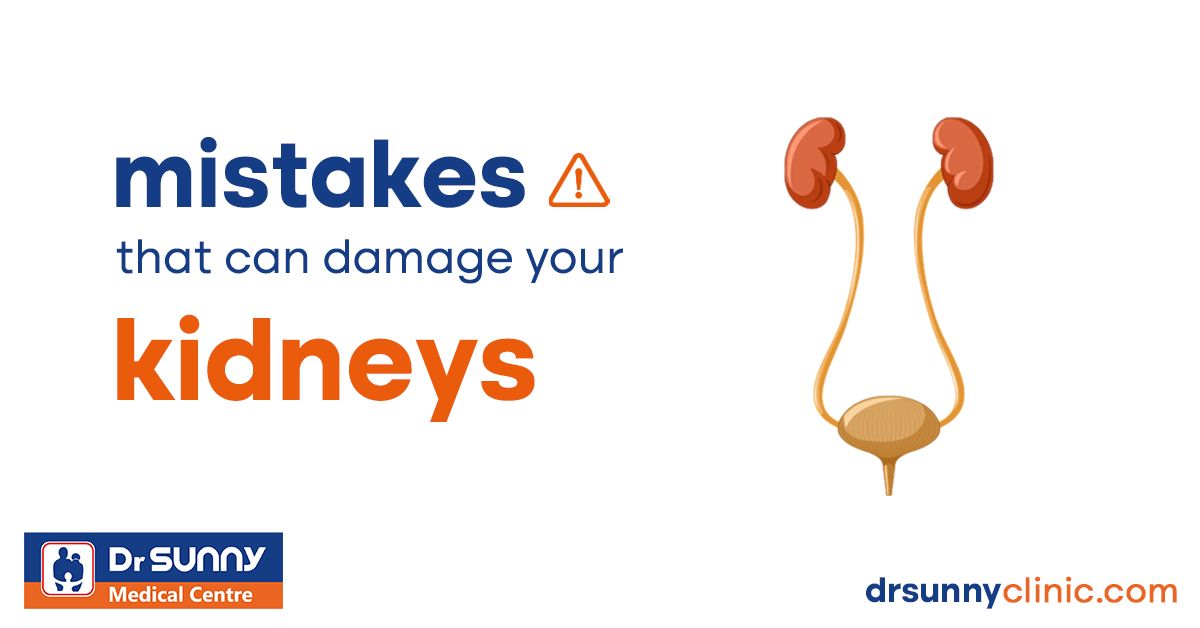
10 common mistakes that can damage your kidneys

mistakes that can damage your kidneys blog

10 common mistakes that can damage your kidneys

The kidneys play a vital role in maintaining our overall health by filtering waste products and excess fluids from the blood. It’s essential to adopt a healthy lifestyle, including a balanced diet, regular exercise, and regular health check-ups, to maintain optimal kidney health. Avoiding certain mistakes can help prevent kidney damage. Here are 10 common mistakes that can potentially harm your kidneys:

Insufficient Hydration: Not drinking enough water can lead to dehydration, reducing the kidneys’ ability to flush out toxins. Adequate hydration supports optimal kidney function.

Excessive Salt Intake: Consuming too much salt can raise blood pressure and strain the kidneys. Aim to limit salt intake by avoiding processed foods and using herbs and spices for flavoring.

Overuse of Painkillers: Regular and prolonged use of over-the-counter pain relievers can lead to kidney damage.

Ignoring Urinary Tract Infections (UTIs): Untreated UTIs can spread to the kidneys, causing infections and potential damage. Prompt treatment of UTIs is essential to prevent complications.

Poorly Controlled Diabetes: Diabetes can damage the kidneys over time. Keeping blood sugar levels under control through medication, diet, and lifestyle changes is crucial for kidney health.

High Protein Diet: Excessive protein consumption, especially from animal sources, can strain the kidneys. Maintain a balanced diet with moderation in protein intake.

Ignoring High Blood Pressure: Uncontrolled high blood pressure can damage blood vessels in the kidneys. Regular monitoring and management of blood pressure are essential for kidney health.

Ignoring Kidney Stones: Kidney stones can cause significant pain and, if left untreated, lead to kidney damage. Seek medical attention if you experience symptoms of kidney stones.

Ignoring Regular Check-ups: Skipping regular health check-ups may result in overlooking potential kidney issues. Regular screenings and check-ups help identify and address problems early on.

If you have concerns about your kidney health or are at risk due to specific health conditions, consult our nephrologist/internal medicine consultant for proper diagnosis and guidance.

When should you consult a General Practitioner?

When should you consult a general practitioner

When should you consult a general practitioner?

A general practitioner (GP) serves as a primary point of contact for individuals seeking medical advice, diagnosis, and treatment for a variety of health concerns. Knowing when to consult a general practitioner is crucial for maintaining overall well-being. Here’s a comprehensive guide to help you understand when it’s appropriate to schedule a visit with your GP.

Routine Check-ups and Preventive Care: Regular visits to our general practitioner for routine check-ups is essential for preventive healthcare. Annual check-ups allow our GP to monitor your health, identify potential risks, and address minor issues before they escalate into more significant problems.

Common Illnesses and Infections: For common illnesses such as the flu, colds, or minor infections, a general practitioner is your first line of defense. Our GP can provide accurate diagnoses, prescribe medications, and offer guidance on managing symptoms to help you recover quickly.

Chronic Health Conditions: Individuals with chronic health conditions, such as diabetes, hypertension or hyperlipidemia can consult our general practitioner regularly. GPs play a key role in managing and monitoring these conditions, adjusting treatment plans, and ensuring overall health stability.

Digestive Problems: Persistent digestive problems, like indigestion, bloating, or stomach pain, should prompt a consultation with our GP.  She can conduct initial assessments, order diagnostic tests, and recommend lifestyle changes or further specialist consultations.

Unexplained Weight Changes: Sudden and unexplained weight loss or gain may indicate underlying health issues. Our general practitioner can investigate potential causes, perform relevant tests, and create a plan to address the root of the problem.  If you are suffering from obesity, Dr. Ronymol is the best healthcare professional to help you out. She has completed the Strategic Centre for Obesity Professional Education (SCOPE) programme and is recognized as SCOPE certified by the World Obesity Federation in managing obesity since November 2023.

Injuries and Physical Ailments: From minor injuries to persistent physical discomfort, our general practitioner can assess musculoskeletal issues, prescribe necessary treatments, and refer patients to specialists or physical therapists as needed.

Overall consulting a general practitioner plays a pivotal role in maintaining optimal health. Whether for routine check-ups, specific health issues, or ongoing conditions, establishing a proactive relationship with our GP ensures comprehensive care and early intervention when needed.

Schedule a visit to our general Practitioner and take the first step towards a future of well-being. Consult with Dr. Ronymol Benny, our general practitioner for personalized advice and guidance. She has more than 6 years of experience in the field of General Practice.  Her areas of interest in the medical field are surgical procedures, treating acute & chronic diseases and lifestyle diseases. You can also schedule an appointment with her if you are looking for adult vaccinations. Trust us to be your partner in health, providing the best preventive care tailored to your individual needs.

Visit our GP for best preventive care

gp doctor

Visit our GP for best preventive care

Prevention is undeniably better than cure. At Dr. Sunny Medical Center, we prioritize your well-being by offering unparalleled preventive care services through our dedicated General Practitioner (GP).

Why Choose Preventive Care?

There are several reasons that make preventive care a boon for our health. Preventive care focuses on early detection and intervention to ward off potential health issues before they escalate. Regular check-ups with our experienced GP can identify risk factors, address concerns, and pave the way for a long and vibrant life. Your journey to optimal health starts with a simple step – scheduling a visit to our GP for the best preventive care.

Key Features of Our Preventive Care Services

Comprehensive Health Assessments: Our GP conducts thorough health assessments, taking into account your medical history, lifestyle factors, and individual health goals. This holistic approach allows for personalized preventive care plans tailored to your unique needs.

Early Detection through Screening: Regular health screenings are crucial for identifying potential health risks early on. Our GP recommends and performs a range of screenings, such as blood pressure checks and prescribes essential diagnostic blood tests to check cholesterol levels, blood sugar levels etc. to ensure early detection and timely intervention.

Immunizations and Vaccinations: Staying up-to-date with vaccinations is a fundamental aspect of preventive care. Our GP provides expert guidance on essential adult vaccinations, safeguarding you against preventable diseases and promoting community health.

Lifestyle Counseling: Your lifestyle choices play a significant role in your overall health. Our GP offers personalized counseling on nutrition, exercise, stress management, and other lifestyle factors, empowering you to make informed choices for a healthier life.

Chronic Disease Management: For those with chronic conditions such as hyperlipidemia, diabetes etc. our GP specializes in effective management strategies. Through regular monitoring and tailored care plans, our team of medical professionals strive to enhance your quality of life while minimizing the impact of chronic illnesses.

Why Schedule a Visit to Our GP?

Expertise and Experience: Our GP is a seasoned healthcare professional with extensive experience of over 6 years in preventive medicine. You can trust her expertise to guide you on the path to optimal health.

Personalized Care Plans: We understand that each individual is unique. Our GP crafts personalized preventive care plans, considering your health history, lifestyle, and specific health goals.

Convenient Appointment Scheduling: We value your time and convenience. Scheduling a visit to our GP is easy, allowing you to prioritize your health without unnecessary hassle.

Schedule a visit to our General Practitioner and take the first step towards a future of well-being. Consult with Dr. Ronymol Benny, our general practitioner  for personalized advice and guidance. She has more than 6 years of experience in the field of General Practice.  Her areas of interest in the medical field are surgical procedures, treating acute & chronic diseases and lifestyle diseases. Trust us to be your partner in health, providing the best preventive care tailored to your individual needs.

Kidney Stones: A Comprehensive Guide

kidney stones best nephrologist in Sharjah

Kidney Stones: A Comprehensive Guide

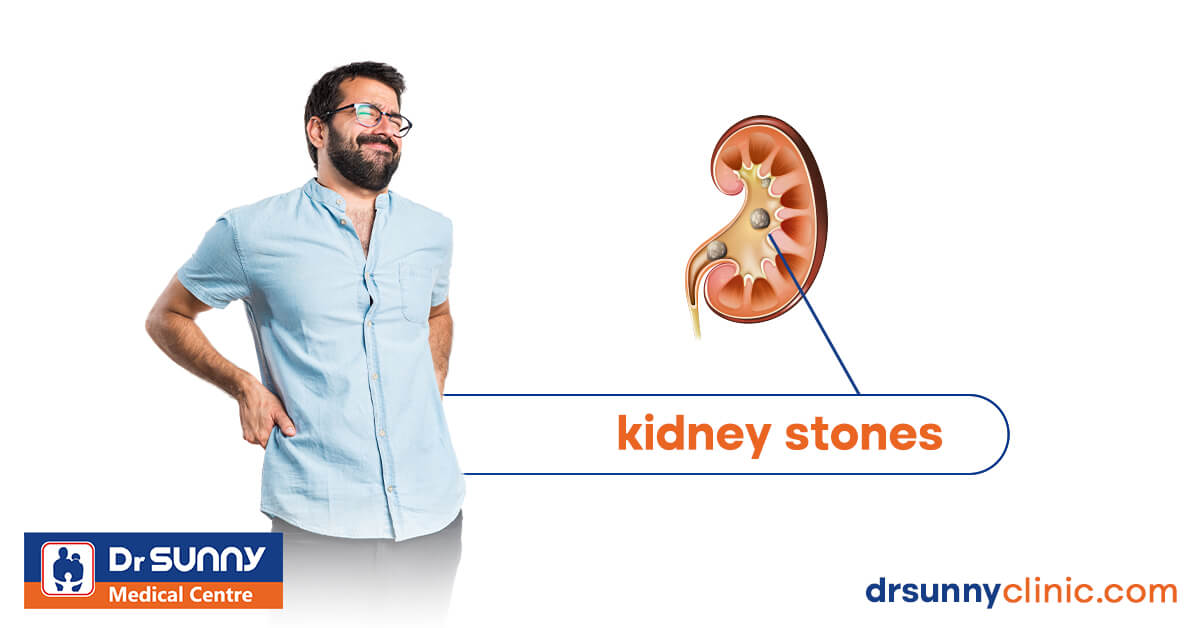
Kidney stones are solid deposits formed in the kidneys from minerals and salts that crystallize and stick together. These stones can vary in size, ranging from as small as a grain of sand to as large as a golf ball. Kidney stones can cause severe pain and discomfort, and understanding their causes, symptoms, and treatment options is crucial for those affected. If you are searching for the best nephrologist in Sharjah visit us at Dr. Sunny Medical Centre.

In this blog post let us explore the various aspects of kidney stones.

Causes of Kidney stones

Some of the major causes of kidney stones include:

Dehydration: Insufficient water intake can lead to concentrated urine, increasing the likelihood of crystal formation and stone development.

Dietary Factors: Certain foods rich in oxalate, calcium, and purines can contribute to stone formation. Diets high in sodium and protein may also play a role.

Genetics: A family history of kidney stones may increase an individual’s susceptibility to developing them.

Symptoms

Pain: One of the most common and intense symptoms is severe pain, often originating in the back or side and radiating to the lower abdomen and groin.

Blood in Urine: The presence of blood in the urine (hematuria) may occur due to the passage of stones, causing irritation and damage to the urinary tract.

Frequent Urination: Individuals with kidney stones may experience an increased urge to urinate, accompanied by pain or discomfort.

Diagnosis

Imaging Tests: X-rays, CT scans, and ultrasounds are commonly used to visualize the size and location of kidney stones.

Urinalysis: This laboratory test examines the urine for signs of blood, crystals, or other substances indicative of kidney stones.

Understanding the causes, symptoms, and treatment options for kidney stones is essential for both prevention and effective management. By adopting a healthy lifestyle, staying hydrated, and seeking medical advice promptly from a nephrologist, you can reduce the risk of kidney stones and mitigate their impact on overall health.

If you have kidney stones or experience symptoms, it is crucial to consult with our nephrologist for proper diagnosis and tailored treatment. You can schedule an appointment with our nephrologist/internal medicine consultant for proper diagnosis and guidance.


Managing Hypertension and Safeguarding Kidney Health


Managing hypertension & its effect on kidney health best nephrologist near me

Managing Hypertension and Safeguarding Kidney Health

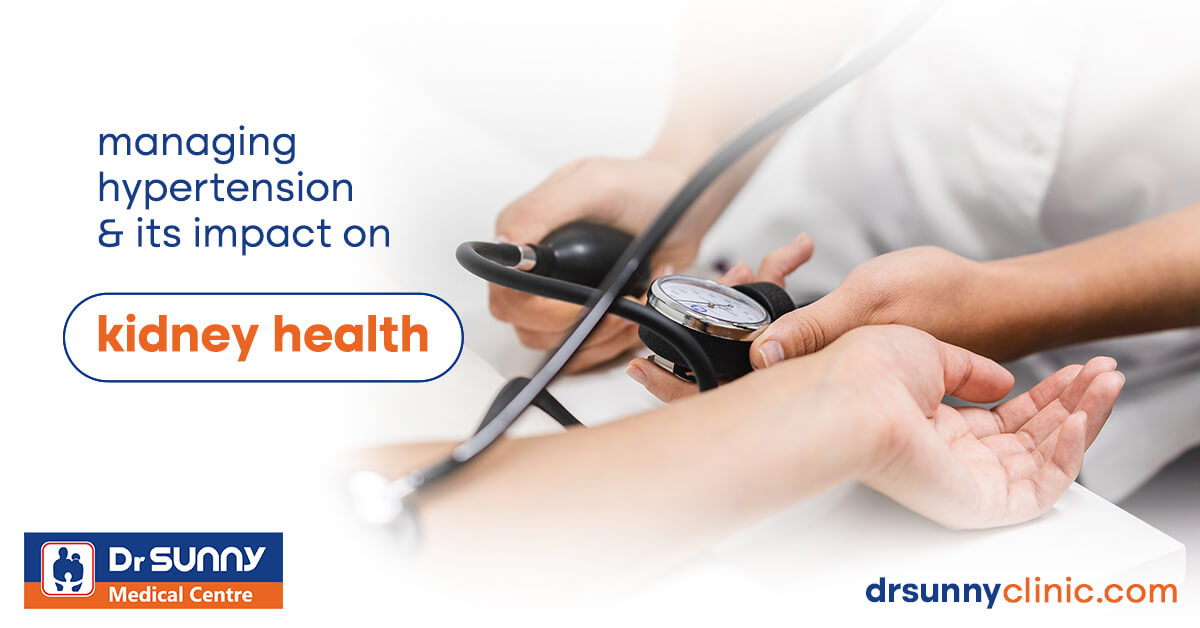
Hypertension, commonly known as high blood pressure, is often referred to as the “silent killer” due to its asymptomatic nature. Beyond its cardiovascular implications, hypertension can significantly impact kidney health. In this post, we will explore the intricate relationship between managing hypertension and safeguarding kidney health, shedding light on the importance of proactive measures to prevent complications.

Understanding Hypertension

Hypertension is a chronic medical condition characterized by elevated blood pressure levels. Uncontrolled hypertension can lead to various complications, affecting vital organs, with the kidneys being particularly vulnerable. It’s imperative to comprehend the mechanisms of hypertension to effectively manage and mitigate its impact on kidney function.

The Renal Connection

The kidneys play a pivotal role in maintaining blood pressure equilibrium by regulating fluid balance and electrolytes. Conversely, sustained high blood pressure can damage the delicate blood vessels within the kidneys, compromising their ability to filter waste efficiently. Over time, this can lead to chronic kidney disease (CKD) and, in severe cases, kidney failure.

Lifestyle Modifications for Controlling Blood Pressure

Managing hypertension involves a multifaceted approach, encompassing lifestyle modifications as a primary line of defense. Adopting a heart-healthy diet rich in fruits, vegetables, and low-fat dairy, coupled with regular physical activity, can contribute significantly to blood pressure control. Additionally, limiting sodium intake, moderating alcohol consumption, and avoiding tobacco are crucial steps in safeguarding overall cardiovascular and renal health.

Regular Monitoring and Check-ups

Routine health check-ups are indispensable for individuals managing hypertension, especially considering its potential impact on kidney health. Blood pressure monitoring, along with kidney function tests such as serum creatinine and glomerular filtration rate (GFR) assessments, enables early detection of any abnormalities, allowing for timely intervention and prevention of further complications.

Scheduling an appointment with our consultant nephrologist/internal medicine can help with managing hypertension. Our nephrologist follows a holistic approach by combining lifestyle modifications, prescribing necessary medications to ensure a better quality of life and reduce the risk of long-term complications.

Risk Factors and Prevention of Hyperlipidemia
Risk Factors and Prevention of Hyperlipidemia high cholesterol best GP doctor in SharjahRisk Factors and Prevention of Hyperlipidemia

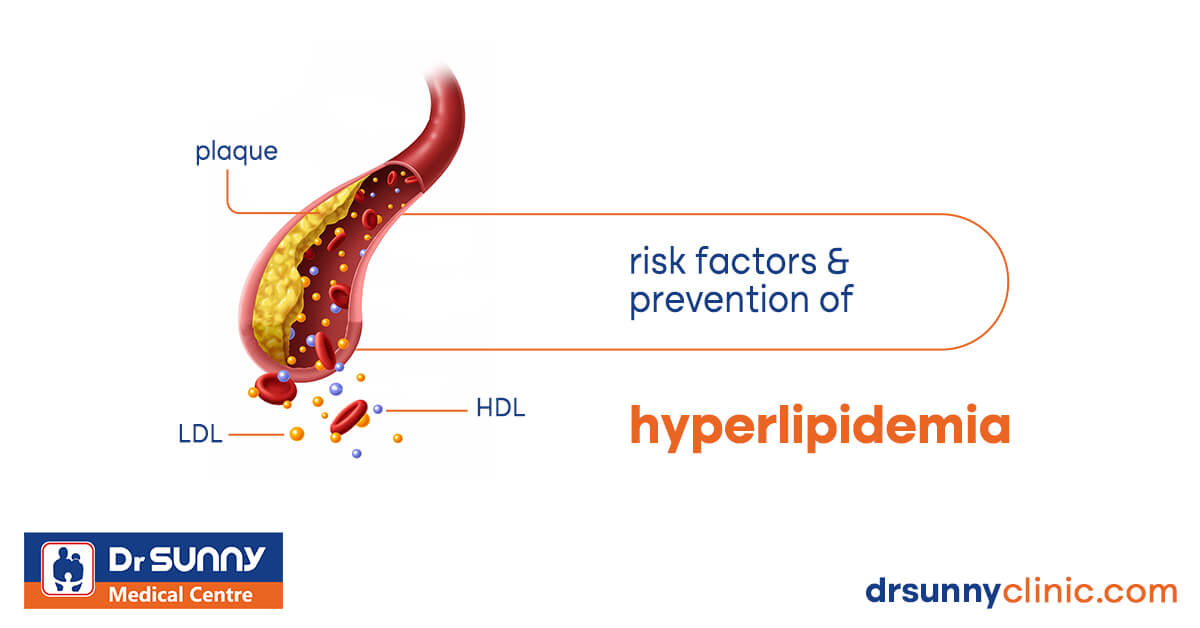
Hyperlipidemia refers to elevated levels of lipids (fats) in the blood, including cholesterol and triglycerides. It is a major risk factor for cardiovascular diseases such as heart attacks and strokes. Understanding the risk factors and adopting preventive measures are crucial for managing and reducing the impact of hyperlipidemia. Here are some key aspects:

Let us explore the risk factors:

Unhealthy Diet

Consuming a diet high in saturated and trans fats can raise LDL (low-density lipoprotein) cholesterol levels, contributing to hyperlipidemia. Certain foods, especially those high in cholesterol, can contribute to elevated blood cholesterol levels.

Physical Inactivity

Lack of regular physical activity is associated with lower levels of HDL (high-density lipoprotein) cholesterol, the “good” cholesterol.

Obesity

Excess body weight, particularly abdominal obesity, is linked to higher levels of triglycerides and lower levels of HDL cholesterol.

Genetics

Family history of hyperlipidemia or cardiovascular diseases can increase the risk.

Age and Gender

The risk of hyperlipidemia tends to increase with age, and men generally have higher cholesterol levels than premenopausal women.

Medical Conditions

Conditions like diabetes, hypothyroidism, and kidney disease can contribute to elevated lipid levels.

Regular Health Check-ups:

Periodic health check-ups help monitor cholesterol levels and assess overall cardiovascular health. In some cases, medications may be prescribed to help manage lipid levels. Lifestyle modifications, along with any necessary medications, can significantly reduce the risk and impact of hyperlipidemia.

Consult with Dr. Ronymol Benny, our general practitioner  for personalized advice and guidance. Individuals with a family history of hyperlipidemia or cardiovascular diseases should be particularly vigilant and work closely with her to manage their risk factors. She has more than 6 years of experience in the field of General Practice.  Her areas of interest in the medical field are surgical procedures, treating acute & chronic diseasesand lifestyle diseases.


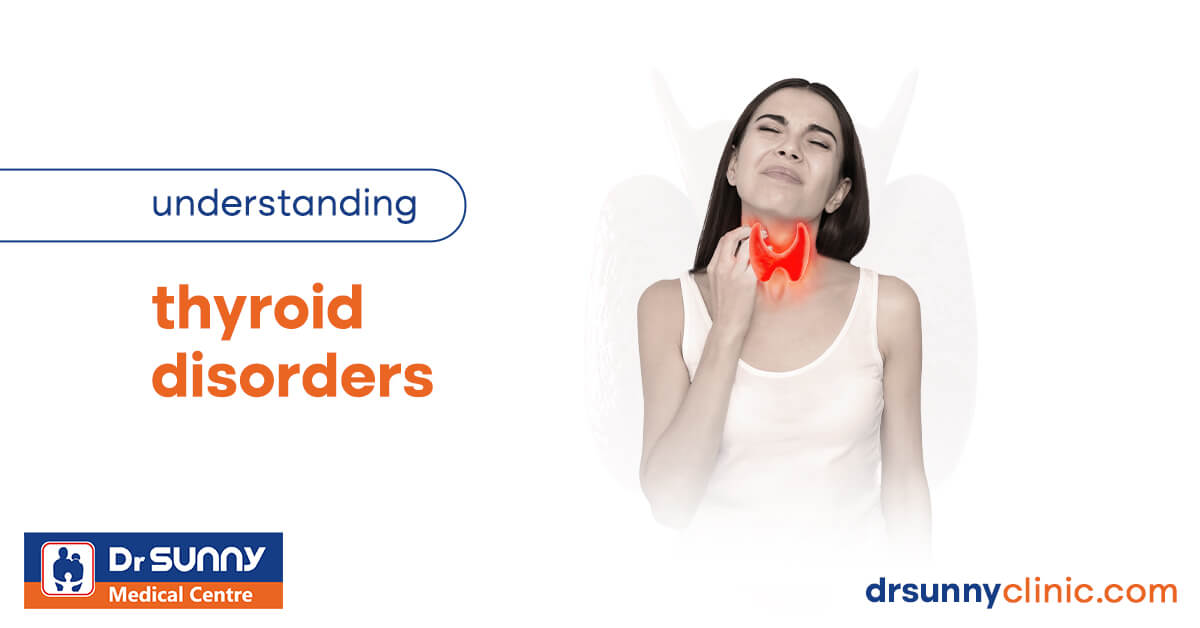
Understanding Thyroid Disorders

Understanding Thyroid Disorders, best general practitioner in Sharjah

Understanding Thyroid Disorders

The thyroid gland plays a crucial role in maintaining our overall well-being. Understanding thyroid disorders is essential for maintaining overall well-being. In this blog post, we will delve into the nuances of thyroid health, from the common disorders, risk factors, diagnosis to practical tips for managing thyroid conditions.

Why the Thyroid Matters?

The thyroid, a butterfly-shaped gland located in the neck, orchestrates the production of hormones that regulate metabolism, energy levels, and various bodily functions. An imbalance in these hormones can lead to thyroid disorders.

Decoding Common Thyroid Disorders

Hypothyroidism

Often characterized by fatigue, weight gain, and sensitivity to cold, hypothyroidism is a condition where the thyroid underproduces hormones.

Hyperthyroidism

On the flip side, hyperthyroidism involves an overactive thyroid, leading to symptoms like weight loss, rapid heartbeat, and heat intolerance.

Autoimmune Disorders/Hashimoto’s and Graves’ Disease

Dive into the fascinating world of autoimmune thyroid disorders, understanding Hashimoto’s thyroiditis (linked with hypothyroidism) and Graves’ disease (associated with hyperthyroidism).

Identifying Risk Factors and Causes

Explore the diverse factors contributing to thyroid disorders, including genetics, environmental influences, gender, and age considerations. Understanding these risk factors is crucial for proactive health management.

Diagnosis

Unravel the diagnostic process of thyroid disorders, from blood tests measuring thyroid hormones and antibodies to imaging techniques like ultrasounds and thyroid scans. Empower yourself with knowledge about what to expect during a thyroid examination.

Living Vibrantly with Thyroid Disorders

Lifestyle Modifications: Explore dietary considerations for supporting thyroid health and the impact of stress management and quality sleep on overall well-being.

Navigating Potential Complications: Acknowledge the long-term effects of untreated thyroid disorders and understand the importance of continuous medical care for preventing complications.

Seeking Professional Guidance: Understand the pivotal role of healthcare professionals, especially endocrinologists, in managing thyroid disorders. If you are someone who is suffering from thyroid problems you can schedule an appointment with our general practitioner,  Dr. Ronymol Benny. She has more than 6 years of experience as a General Practitioner. Dr. Rony started her career in surgical and medical departments in India at Pondicherry Institute of Medical Sciences and later moved to United Arab Emirates to further enhance her experience and medical expertise. Her areas of interest in the medical field are surgical procedures, treating acute & chronic diseases including thyroid diseases.