
How Much Sleep Do Kids Need?

healthy sleep habits for kids best indian pediatrician in SharjahHow Much Sleep Do Kids Need?

Is your child feeling irritated lately? Not getting enough sleep might be the reason behind the irritability. Establishing consistent sleep routines and creating a sleep-friendly environment can help ensure that children get the sleep they need for their overall well-being and development.

While there is no hard and fast rule the general recommendation is:

For Newborns (0 to 3 months): Newborns need about 16-18 hours of sleep per day.

For Infants (4 to12 months): Infants require about 12-16 hours of sleep per day, including naps. They typically have irregular sleep patterns and wake up during the night.

Toddlers (1-2 years): Toddlers need around 11-14 hours of sleep per day, including naps. Most toddlers transition to one nap during this stage.

Preschoolers (3-5 years): Preschoolers require about 10-13 hours of sleep per day. Most children in this age group no longer nap regularly, but they may still benefit from a short nap or quiet time during the day.

School-age children (6-12 years): School-age children need approximately 9-12 hours of sleep per day. They may have more structured bedtime routines and consistent sleep patterns.

It’s important to note that individual sleep needs can vary, so it’s essential to observe your child’s behavior and adjust their sleep duration accordingly.

Sleep is instrumental to a child’s growth and development at every age. It supports important brain functions such as problem-solving and memory. Knowing how much sleep a child needs can help prevent long-lasting problems and improve the well-being of both children and parents. If you are concerned about your child’s sleep or need some advice on how you can improve their quality of sleep, you can visit our pediatrician.

If you are a working parent and need a child care professional or part-time nannies to monitor if your child is sleeping well, you can reach out to Maika. We provide the best newborn care and parents love our services. So, what are you waiting for get in touch with us now.



How to choose the best pediatrician for your little one? 

choose the best pediatrician for your child best doctor in Sharjah

How to choose the best pediatrician for your little one? 

Most parents are clueless on how to choose the best pediatrician for their little one. It is an important decision that can significantly impact the overall well-being of your child. If you are a parent to a newborn or toddler or even an adolescent, you need to read this blog post to understand what parameters you need to keep in mind to find the best pediatrician who can guide you on how to keep your child healthy.

Consider the following things before you choose a pediatrician for your precious little ones:

Assess communication and interaction style: Pediatricians should have good communication skills and a friendly demeanor when dealing with both children and parents. Look for a pediatrician who listens to your concerns, explains medical information clearly, and involves you in the decision-making process. This is the reason our eminent pediatricians make both parents and child feel at ease before examination.

Trust your instincts: Trusting your gut feeling about the pediatrician is the first thing you need to keep in mind before choosing a pediatrician for your child. Only you can decide which doctor will be the best for your kid. Pay attention to how comfortable you and your child feel with the doctor. A good rapport and trust are vital for a successful doctor-patient relationship.

Check about immunization: Following the recommended immunization schedule is important to protect kids from a range of infectious diseases. A good pediatrician should lay emphasis on immunization. If you are looking for immunization advice or need your child to be vaccinated, you can visit Dr. Sunny Medical Centre.

Research credentials and experience: Look for pediatricians who are board-certified and have the necessary qualifications and experience. Check their educational background, medical school, residency, and any specialized training. Our pediatricians hold all the required qualifications to provide the best treatment to your children.

With their wealth of knowledge and years of experience, our pediatricians have achieved the trust of several parents and are known to give the best insights and solutions for ailments like pediatric asthma, recurring fever and common childhood infectious diseases. So, if you want to consult the best pediatrician in Sharjah visit Dr. Sunny Medical Centre and best pediatrician in Karama Dubai visit New Apollo Polyclinic.

Cough in children: When to consult our pediatrician?

Cough in children When to consult our pediatrician

Cough in children: When to consult our pediatrician?

The shift in the weather can cause several health issues in children including runny nose, cold & cough etc.  Most of the times there is nothing to worry about and the cough goes away on its own, but there are times when it’s important to schedule an appointment with your child’s doctor, especially if the weather is making things worse.

At Dr. Sunny Medical Centre, our specialist pediatrician can provide invaluable assistance if your child is suffering from severe coughing spells. If you can’t decide that when you should seek the help of a pediatrician, consider the following factors:

Recurrent cough: If your child’s cough persists for an extended period or recurs frequently, it may hint at an underlying medical concern. Our experienced pediatrician can evaluate the situation and advise on the appropriate care.

Severity of cough: A severe, worsening cough, especially when accompanied by additional symptoms like wheezing, labored breathing, or a high fever, warrants for an immediate medical attention.

Age Factor: Infants, particularly those under three months, require special attention. If they develop a cough, it’s essential to consult a pediatrician to rule out any serious issues.

Underlying health conditions: Children with chronic medical conditions, such as asthma or immune system disorders, face an increased risk of complications. Close monitoring and timely consultation with our pediatrician is crucial in such cases.

High fever: A high fever alongside a cough can indicate a more severe infection, potentially pneumonia. Consulting our pediatrician for a thorough evaluation is recommended.

History of allergies or asthma: If your child has a known history of allergies or asthma and is experiencing a cough, it’s crucial to consult our pediatrician for guidance on when to seek medical care.

Prolonged coughing spells: A severe, distinctive “whooping” cough sound and prolonged coughing spells could signify pertussis, a highly contagious bacterial infection. In this case, timely medical attention is critical.

Our pediatrician can assess your child’s cough, considering their age, medical history, and accompanying symptoms. Get professional guidance from our pediatrician and get a comprehensive evaluation done.

When in doubt or if you are concerned about your child’s health, it’s always advisable to consult with our specialist pediatrician to ensure your child’s well-being. If you need further details about managing cough in children, please contact us.


Understanding allergies in children

Understanding allergies in children

Understanding allergies in children

Childhood allergies are a common concern for parents. Allergies occur when a child’s immune system reacts to substances that are usually harmless, known as allergens. In this post we will provide you with a clear understanding of childhood allergies, their common triggers, symptoms, diagnosis, management, and prevention strategies.

Common Allergens in Children

Food Allergies: Common food allergens in children include milk, eggs, peanuts, tree nuts, soy, wheat, fish, and shellfish.

Environmental Allergies: These allergies are often triggered by common household allergens such as pollen, dust mites, pet dander, and mold.

Medication Allergies: It’s important to be aware that some children may be allergic to certain medications.

Recognizing Allergy Symptoms in Children

Allergic reactions can manifest in various ways, including:

  • Skin reactions like hives or eczema.
  • Respiratory symptoms such as sneezing, coughing, wheezing, or nasal congestion.
  • Digestive issues like stomachache, diarrhea, or vomiting.

In severe cases, allergies can lead to anaphylaxis, a life-threatening reaction characterized by difficulty breathing, swelling of the face or throat, and a drop in blood pressure. Anaphylaxis is a medical emergency.

Diagnosing Childhood Allergies

If you suspect your child has allergies, it’s crucial to consult a pediatrician. Diagnosis often involves:

  • Skin prick tests.
  • Blood tests to measure specific antibodies.
  • Elimination diets for food allergies.

Tips to manage allergies

Allergen Avoidance: Identifying and minimizing exposure to allergens in your child’s environment.

Medications: Antihistamines and decongestants may be prescribed by our pediatrician.

Immunotherapy: Allergy shots or oral immunotherapy can help build tolerance to specific allergens over time.

How to prevent childhood allergies?

  • For food allergies, consider breastfeeding and delay introducing high-risk foods.
  • Reduce allergen exposure in your home by using allergen-proof covers for pillows and mattresses for dust mite allergies.

You can collaborate closely with our pediatrician to create a personalized management plan tailored to your child’s specific allergies. Early diagnosis and proper management can help children lead a healthy and allergy-controlled life. If your child shows any symptoms of allergy or has existing allergies schedule an appointment with our specialist pediatrician. 


Tips to prevent iron deficiency in children

iron deficiency in children

Tips to prevent iron deficiency in children

Iron deficiency in children is a common concern that can lead to anemia if left untreated. As parents it’s crucial to be proactive in preventing iron deficiency by understanding its symptoms and taking the necessary steps to ensure your child gets the right nutrients. In this friendly guide, we’ll explore some practical tips to help you keep your child healthy and iron-deficiency-free.

Balanced Diet

Encourage your child to maintain a balanced diet rich in iron. Include foods like lean meats, poultry, fish, beans, lentils, tofu, and fortified cereals in their meals. These foods are excellent sources of iron and can help prevent deficiencies.

Iron-Fortified Foods

Opt for iron-fortified foods, such as iron-fortified cereals and bread. They can be a great addition to your child’s diet, providing an extra iron boost to their nutrition.

Vitamin C-Rich Foods

Vitamin C enhances the absorption of iron from plant-based sources like beans and spinach. Incorporate fruits like oranges, strawberries, and kiwi into your child’s diet to help them absorb iron more efficiently.

Limit Milk Consumption

Excessive milk consumption can interfere with iron absorption. Ensure your child doesn’t consume more than 16-24 ounces of cow’s milk per day. This will help them maintain a healthy iron balance.

Offer Lean Meats

Lean meats, such as chicken and turkey, are excellent sources of heme iron, which is more easily absorbed by the body. Include these in your child’s diet for a natural iron boost.

Dark Leafy Greens

Vegetables like spinach, kale, and broccoli are packed with iron. Incorporate them into your child’s meals, whether in salads, smoothies, or as side dishes.

Be Mindful of Symptoms

To prevent iron deficiency anemia, it’s crucial to recognize the early symptoms, including fatigue, pale skin, weakness, and irritability. Regularly check for these signs, especially if your child is at risk.

Consult a Pediatrician

If you suspect your child is showing iron deficiency symptoms, consult your pediatrician. They can perform blood tests to confirm and provide appropriate treatment and dietary recommendations.

Encourage Hydration

Staying well-hydrated is essential for healthy blood circulation, which aids in the prevention of anemia. Encourage your child to drink plenty of water throughout the day.

Preventing iron deficiency in children is a manageable task with the right knowledge and approach. By maintaining a balanced diet, recognizing iron deficiency symptoms, and seeking professional guidance when needed, you can help your child grow up healthy and anemia-free.

Remember, a little care today can make a significant difference in your child’s future well-being. If your child is showing any symptoms of iron deficiency like excessive fatigue book an appointment with our expert specialist pediatrician.

How to Introduce Solid Foods to Your Baby

Introduce-Solid-Foods-to-Your-Baby

How to Introduce Solid Foods to Your Baby

Starting solids is an important aspect of your baby’s growth but many new parents wonder when & how. It’s important to follow guidelines provided by pediatric experts while introducing solid foods to your baby. To help you out here’s a post with what our pediatricians at Dr. Sunny Medical Centre would recommend when it comes to starting solids.

There are several factors to consider such as:

Age and Readiness: Most babies are ready for solid foods when about 6 months old. However, every child is different, so it’s essential to look for signs of readiness, such as good head and neck control, ability to sit with support, and showing interest in food.

Start with Single-Ingredient Foods: Begin with single-grain iron-fortified infant cereals. Mix the cereal with breast milk or formula to create a smooth, runny consistency. Start with small spoonfuls and gradually increase the amount.

Introduce Pureed Fruits and Vegetables: Once your baby is comfortable with cereals, you can introduce pureed fruits and vegetables. Start with one type of food at a time and wait a few days before introducing another to check for any allergic reactions.

Offer a Variety of Foods: Introduce a wide range of foods to provide a balanced diet. Include fruits, vegetables, grains, proteins, and dairy (if appropriate). Offer different colors, flavors, and textures to help your baby develop a diverse palate.

Avoid Certain Foods: Some foods are not suitable for babies under one year old due to choking hazards or potential allergies. Avoid honey, cow’s milk, nuts and nut butter, shellfish, and large chunks of food that can be difficult to swallow.

Monitor for Allergic Reactions: Keep an eye out for any signs of allergies or intolerances, such as rashes, vomiting, diarrhea, or difficulty breathing. If you notice any concerning symptoms, consult your pediatrician immediately.

Maintain Breast Milk or Formula Feeding: Solid foods should complement breast milk or formula, which should remain the primary source of nutrition until around one year of age.

Always keep in mind every baby is different, so it’s important to observe your child’s cues, follow their lead, and consult with our pediatrician. For personalized guidance book an appointment with us today.

Why adolescents need to visit a pediatrician?
Why adolescents need to visit a pediatricianWhy adolescents need to visit a pediatrician?
There is a common misconception that pediatricians only cater to younger children, to the contrary there are several reasons why adolescents should continue to visit a pediatrician: 

Adolescent health care is an area of special interest and expertise of our pediatricians at Dr. Sunny Medical Centre. Our experienced pediatricians find it important that in an era of easy internet access, increased screen time and social media due importance must be given to these crucial years of a child’s development. It is equally important to advise parents on how to tackle these tricky novel situations. In the current scenario of e-learning, there is bound to be a surge in learning and behavioral problems that would have to be addressed.  In this post, let’s explore how pediatricians can help the children in teenage years:

Specialized Care: Our pediatricians are trained to understand the unique needs and challenges faced by adolescents. They are equipped to address the physical, emotional, and social aspects of this developmental stage, providing specialized care tailored to their specific needs.

Physical Development: Adolescence is a time of rapid growth and development. Regular check-ups with a pediatrician allow for monitoring of physical changes, tracking growth, and addressing any concerns related to nutrition, exercise, and overall physical health.

Vaccinations: Adolescents may require certain vaccinations or booster shots to ensure protection against diseases such as meningitis, HPV, tetanus, or pertussis. Pediatricians can provide the necessary vaccinations and ensure that adolescents are up to date on their immunizations.

Health Support: Adolescence often comes with emotional and mental health challenges. Pediatricians can address concerns related to anxiety, depression, stress, body image, self-esteem, and other psychological issues. They can provide guidance, recommend appropriate interventions, and refer patients to mental health professionals if needed.

Preventive Care: Our pediatricians emphasize on preventive care, focusing on maintaining overall health and well-being. Regular check-ups allow for early detection of potential health issues, screening for conditions such as diabetes or high blood pressure and promoting healthy habits and lifestyle choices.

Confidentiality and Trust: Our pediatricians provide a safe space for adolescents to discuss personal and sensitive topics openly and seek guidance without fear of judgment.

Transition to Adult Care: Our pediatricians play a crucial role in guiding adolescents through the transition to adult healthcare. They can assist in coordinating the transfer of medical records, help adolescents understand the responsibilities of managing their own health, and provide recommendations for adult healthcare providers.

The Bottom Line

Visiting a pediatrician during adolescence ensures comprehensive and age-appropriate healthcare. It allows for early intervention, promotes healthy habits, addresses concern specific to this stage of development, and supports overall well-being during this critical period of transition.

If you are a parent to an adolescent and want any kind of health related or behavioral advice, you can book an appointment with our expert pediatricians for the best guidance.

Is your child getting enough vitamins?

Is your child getting enough vitamins B

Is your child getting enough vitamins?

We all know how important it is to have a well-rounded diet that includes essential nutrients, including vitamins and minerals. Lack of essential nutrients can cause various health issues, especially in children.  Fortunately, with expert dietary advice you can close the gaps in your child’s dietary requirements and make sure that they grow into healthy and happier adults. If your child is a picky eater or shows any signs of nutrition deficiency you can book an appointment with our expert pediatricians who will guide you about the right diet and may also prescribe supplements to avoid any health issues caused due to nutrition deficiency.

Every child is different, and their vitamin needs may vary based on factors such as age, growth rate, overall health, and dietary preferences. Meanwhile, here are a few tips to follow that can ensure that your little ones are getting enough vitamins in their daily diet:

Food Variety: Make sure that you add more colours to your child’s plate and encourage your child to consume a wide range of fruits, vegetables, whole grains, lean proteins, and dairy or dairy alternatives. Different foods contain different vitamins, so a diverse diet helps ensure an adequate intake.

Vitamin-Rich Foods: Include foods that are particularly rich in essential vitamins. For example, citrus fruits are high in vitamin C, dairy products provide calcium and vitamin D, leafy greens are a good source of vitamin K, and carrots and sweet potatoes are rich in vitamin A.

Balanced Meals: Aim for balanced meals that include a combination of macronutrients (carbohydrates, proteins, and fats) along with vitamins and minerals. This can help ensure that your child is getting a variety of nutrients.

Regular Check-ups: Schedule regular check-ups with our pediatrician. They can assess your child’s overall health, growth, and development, and provide guidance on nutrition and vitamin needs specific to your child.

A healthy diet can have a positive impact on the overall well-being of your child such as improving their minds, elevating their moods, and helping them maintain a healthy weight. It’s always a good idea to consult with an experienced pediatrician in case you have any doubts. Contact our expert pediatricians for personalized advice regarding your child’s nutrition and vitamin requirements.

How to manage Pediatric asthma?

Pediatric asthma

How to manage Pediatric asthma?

Pediatric asthma has become a cause of concern for many parents. At Dr. Sunny Medical Centre our expert pediatricians with their wealth of knowledge and experience have helped several pediatric asthma patients to manage the health issue and improved their quality of life. There are few factors that can help in managing the health concern that bothers your little ones. Interested to know more, keep reading this post.

Consulting with best pediatricians: Consulting a pediatrician who specializes in asthma management is the most important factor to follow. If you seek help from our pediatricians they will evaluate the child’s symptoms, conduct tests if necessary, and develop an individualized treatment plan.

Medication adherence: As parents you need to make sure that your child follows the prescribed medication regimen strictly. Medications for pediatric asthma may include quick-relief medications (e.g., bronchodilators) to provide immediate relief during an asthma attack, as well as long-term control medications (e.g., inhaled corticosteroids) to manage and prevent asthma symptoms. Ensure that the child takes the medications as instructed by our pediatrician.

Asthma action plan: Our pediatricians will develop an asthma action plan to outline the steps to be taken in case of an asthma attack, including appropriate medication use and when to seek emergency medical care.

Trigger identification and avoidance: One of the most imperative factors to manage pediatric asthma is to identify potential triggers that worsen the child’s asthma symptoms, such as allergens (e.g., pollen, dust mites, pet dander), irritants (e.g., tobacco smoke, strong odors), and respiratory infections. Our pediatricians make sure to tell parents to take measures to minimize exposure to triggers, such as using allergen-proof mattress covers, maintaining a clean and dust-free environment, avoiding smoking in the child’s presence, and promoting regular hand washing to reduce the risk of infections.

Vaccinations: Prevention is better than cure and following this adage one of the best ways to protect your little one from asthma is to get your children vaccinated. Ensure that the child receives recommended vaccinations, including the annual influenza vaccine, as respiratory infections can trigger asthma exacerbations.

Regular follow-up visits: Schedule regular follow-up visits with our pediatricians to monitor the child’s asthma control, adjust medication if needed, and address any concerns or questions.

Education and self-management: Besides providing a treatment plan and medications the thing that sets apart our pediatricians is that they make sure to educate children as well as the parents about asthma, including its symptoms, triggers, and proper medication use. Our doctors encourage the child to be actively involved in managing their asthma and recognizing early signs of worsening symptoms.

Each child’s asthma management plan differs, therefore it is crucial to consult with our expert pediatricians for personalized guidance and treatment. If your little one is suffering from asthma your search for ‘best pediatrician near me’ should end at Dr. Sunny Medical Centre. Call us now to book an appointment with our pediatricians today.

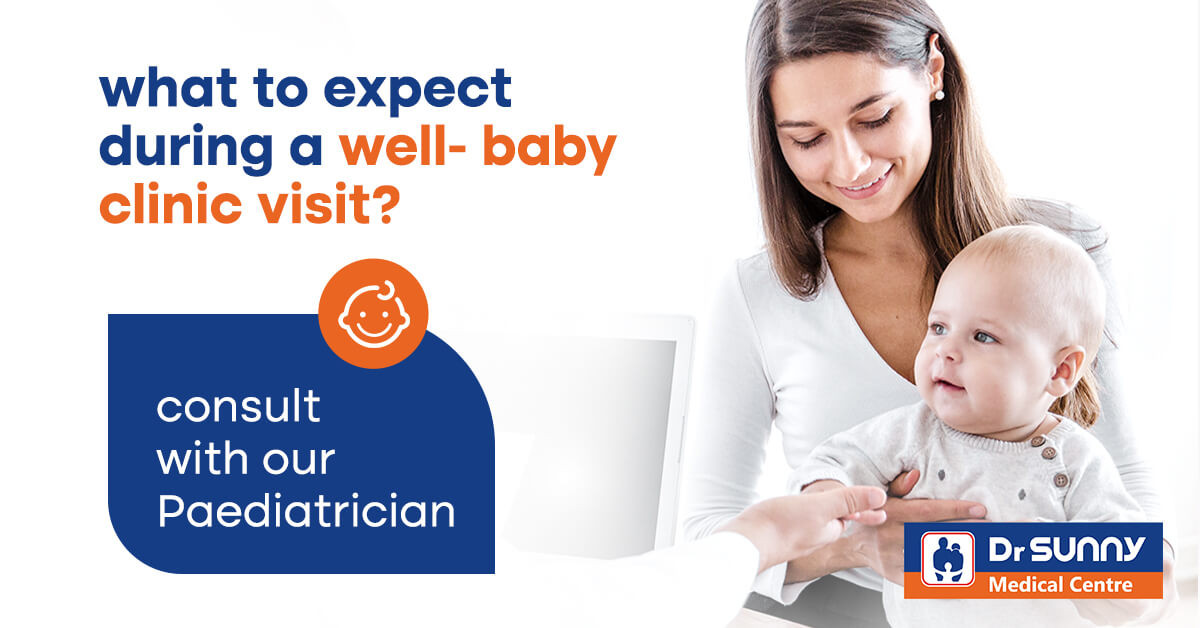
What to expect during a well-baby clinic visit?

What to expect during a well-baby clinic visit B (1)

What to expect during a well-baby clinic visit?

The initial years of your little one will be packed with a plethora of things that are going to be completely new for you. One such thing will be those well-baby visits that will be scheduled by our pediatricians to ensure the health and well-being of your baby. Well baby visits are crucial for your child as through these appointments our children’s doctors will make sure that your child is growing well, feeding well, and is following the recommended immunization schedule.

If you are a new parent and want to know what well baby visits are, their importance and what you should expect during the visits keep reading this post.

What are well-baby visits?

Well-baby visits are scheduled at regular intervals during the first two years of the baby’s life. This is different from other visits for sickness or injury. At a well-baby visit, the doctor or nurse can help catch any problems early, when they may be easier to treat.

Importance of well-baby visits

Immunization: Immunization is essential part of all well baby visits. Our pediatricians will ensure timely immunization as per their age.

Monitoring Growth & development: There are several age-appropriate milestones that babies will hit as they grow. For instance, between the age of 4-6 months the baby will start rolling back and forth or by the age of 14 months will start walking without support. Though there can be slight variation in hitting these milestones as every baby is unique but delay in achieving these milestones can indicate an underlying health issue. During these well-baby visits our doctors will monitor if your kid is meeting all the developmental milestones and if not, our doctors can probe what is causing the delay.

Managing Common Illnesses: Newborns and toddlers are often at risk of getting common illnesses such as cold or fever as their immunity is still developing. You can get a clinical solution to these common illnesses during the well-baby visit.

Addressing parents’ concerns: Parents have several concerns regarding the sleeping patterns and feeding issues of the newborn. You can discuss these concerns with our pediatricians who will guide you in the best way.

Dietary advice: Many parents are worried about the toddler’s eating habits. Sometimes they are worried if the baby is getting all the essential minerals and vitamins through their diet. If you are also one such parent our pediatricians can give you proper diet advice that can help your baby to grow well without any deficiency.

If you are searching for the ‘best pediatrician near you’ your search should end with Dr. Sunny Medical Centre. If you want the well baby visits to be perfect book an appointment with us today.