Get kids school ready with Flu shot

Get kids school ready with flu shot

Get Kids School Ready with Flu Shot

It’s back to school time, but before sending them to school make sure they are protected against illnesses like Inflluenza. Influenza, commonly known as the flu, is a contagious respiratory illness caused by influenza viruses. It affects people of all ages, including children, and can lead to serious complications, especially in vulnerable populations.

The best way to help kids stay in school and ready to learn is by making sure that they take the flu shot.  It’s especially important for children with underlying health conditions, as they are at higher risk for severe flu-related complications. Schedule an appointment with us today for the flu shot.

Here are some important things parents should know about influenza:

Vaccination: Annual flu vaccination is the most effective way to prevent influenza and its complications. The vaccine is recommended for everyone aged 6 months and older, including children. It’s especially important for children with underlying health conditions, as they are at higher risk for severe flu-related complications. It’s best to get vaccinated before the flu season begins, which typically peaks in winter.

Prevention: Apart from vaccination, other preventive measures include practicing good hand hygiene, covering the mouth and nose when coughing or sneezing, avoiding close contact with sick individuals, and keeping your child home from school or daycare if they are unwell.

Symptoms: Flu symptoms often include fever, cough, sore throat, runny or stuffy nose, body aches, headache, fatigue, and sometimes vomiting or diarrhea in children. Symptoms usually appear suddenly and can be more severe than those of a common cold.

Transmission: Influenza spreads through respiratory droplets when an infected person coughs, sneezes, or talks. It can also spread by touching surfaces or objects contaminated with the virus and then touching the mouth, nose, or eyes.

High-Risk Groups: Certain groups, such as children under 5 years old (especially those under 2), children with chronic medical conditions, pregnant women, and those with weakened immune systems, are at higher risk for flu-related complications. They should take extra precautions and seek medical care promptly if flu symptoms arise.

Complications: Influenza can lead to complications like pneumonia, bronchitis and ear infections, and worsening of chronic medical conditions like asthma. Watch for signs of severe illness, such as difficulty breathing, persistent high fever, dehydration, and changes in mental status, and seek medical attention if necessary.

It’s important to consult with a pediatrician for specific guidance and recommendations tailored to your child’s individual health needs and circumstances. To prevent all these complications, book an appointment with our pediatrician and make sure that your little bundle of joy gets the flu shot before he/she goes back to school.
 

What Is a Developmental Delay?

What Is a Developmental Delay - consult pediatrician

What Is a Developmental Delay?

Is your child unable to roll on both sides even after six months or doesn’t speak even after you celebrated his third birthday? All this might be an indication of developmental delay. Development delay refers to a significant lag or slowness in a child’s development compared to typical milestones expected for their age group. It means that a child is not reaching developmental milestones at the expected time or is acquiring skills at a slower pace than their peers. Developmental delays can affect various areas of a child’s development, including physical, cognitive, communication, social, and emotional development. If you want to know more about the developmental delays, the causes and what should be done if you suspect developmental delays in your kids, keep reading this post.

Cause of Developmental Delays

Developmental delays can be caused by various factors, such as genetic conditions, birth complications, premature birth, environmental factors, or certain medical conditions. They can manifest in different ways depending on the specific area of development affected. For example, a child with a motor delay might have difficulty sitting, crawling, or walking, while a child with a communication delay may struggle with speech and language skills.

How We Can be of Help?

It is important to note that developmental delays are not necessarily permanent or indicative of a long-term disability. With early identification and appropriate interventions, many children can make significant progress and catch up to their peers. Early intervention services, such as therapies and specialized educational programs, are often recommended to support a child’s development and address any underlying challenges.

This is where you can rely on us, we at Dr. Sunny Medical Centre offer monitoring growth & development for children. Our expert pediatricians thoroughly examine your little ones during each visit to ensure that they are developing well.

To sum it up, if you suspect that your child may have a developmental delay, it is recommended to consult with our specialist pediatricians who will conduct assessments and provide appropriate guidance and interventions tailored to your specific needs. Remember early intervention is the key to help your child in such cases, so why wait to call. Book an appointment today.


Safe Sleep Tips for Infants

best pedia for newborn

Safe Sleep Tips for Infants

Creating a safe sleeping environment for babies is a top priority for every new parent as babies sleep for about 16 hours a day. It is important for new parents, nannies or child care professionals to be informed about safe sleeping practices to reduce the risk of injuries and issues such as Sudden Infant Death Syndrome (SIDS). If you are someone who wants to learn more about the topic keep reading this blogpost. Below are some tips for keeping your baby safe while sleeping.

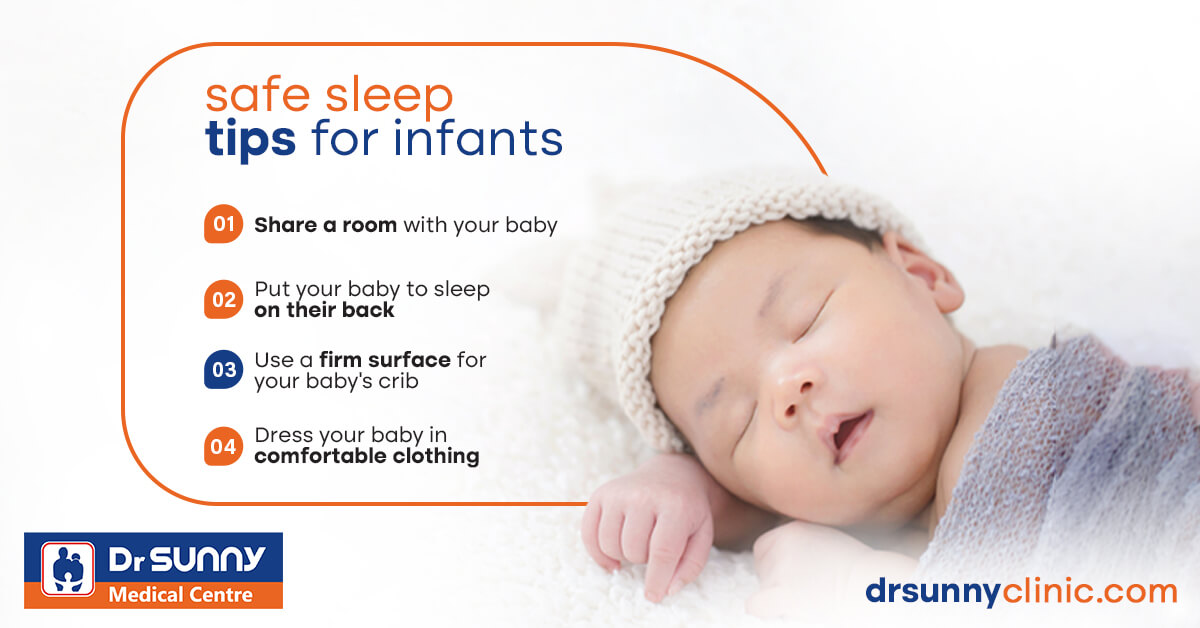
Share a room with your baby: To reduce the risk of sleep-related infant death, it is recommended to share a room with your baby and sleep close by. You can place your baby’s crib next to your bed, so you are within reach but not sharing a sleeping surface.

Put your baby to sleep on their back: Always place your baby on their back while putting them to sleep. It is not safe for a baby to sleep on their side or tummy. However, if your baby starts rolling over from their back to side or tummy and back again, it is not a problem.

Use a firm surface for your baby’s crib: Make sure the mattress in the crib is firm and there are no gaps between the frame and the mattress. Avoid placing any toys or other objects in the crib as they could put your baby in danger of being suffocated.

Dress your baby in comfortable clothing: When putting your baby to sleep, avoid covering their head and remove any strings or ties from their clothing. Ensure the room is at a comfortable temperature.

Avoid letting your baby sleep in a carrier, sling, or stroller: If your baby falls asleep in a carrier or sling, be sure to transfer them to their crib as soon as possible.

No matter how much you read up on parenting or get advice on newborn baby care from family or friends you still feel under prepped. You need not worry because we are here to clear up your doubts. You can consult our children’s doctor to help you create a safe sleeping environment for your baby or even get our newborn care services to help you. Call us today to book our services.

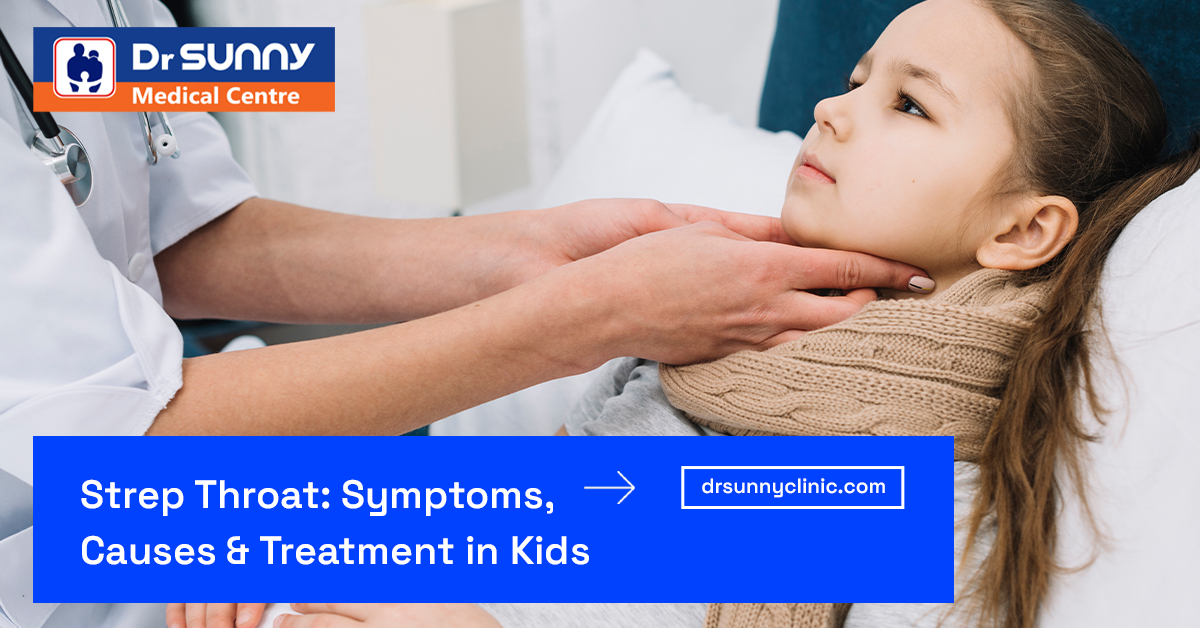
Strep Throat: Symptoms, Causes & Treatment in Kids

Strep Throat: Symptoms, Causes & Treatment in Kids

Strep throat is a bacterial infection that commonly affects children between the ages of 5 and 15 years. It is caused by the Streptococcus bacteria and can be easily spread through contact with an infected person’s saliva or nasal secretions.

Symptoms of strep throat in kids can include a sore throat, fever, swollen lymph nodes, difficulty swallowing, and red or white spots on the tonsils or back of the throat. If your child is experiencing any of these symptoms, it’s important to take them to a pediatrician for a proper diagnosis and treatment.

The treatment for strep throat typically involves a course of antibiotics to kill the bacteria causing the infection. It’s important for children to complete the entire course of antibiotics as prescribed, even if they start feeling better before the medication is finished. This helps to ensure that all of the bacteria are eliminated from the body and reduces the risk of complications.

In addition to antibiotics, there are some things you can do at home to help your child feel more comfortable while they recover from strep throat. Encourage your child to rest, drink plenty of fluids, and eat soft, soothing foods like soup or mashed potatoes.

If your child is showing symptoms of strep throat, it is important to seek medical attention from a qualified pediatrician. At our Dr. Sunny Medical Centre, our experienced pediatrician is available to provide comprehensive care for your child’s health. Contact us today to schedule a consultation and ensure that your child receives the care they need to recover quickly and fully.


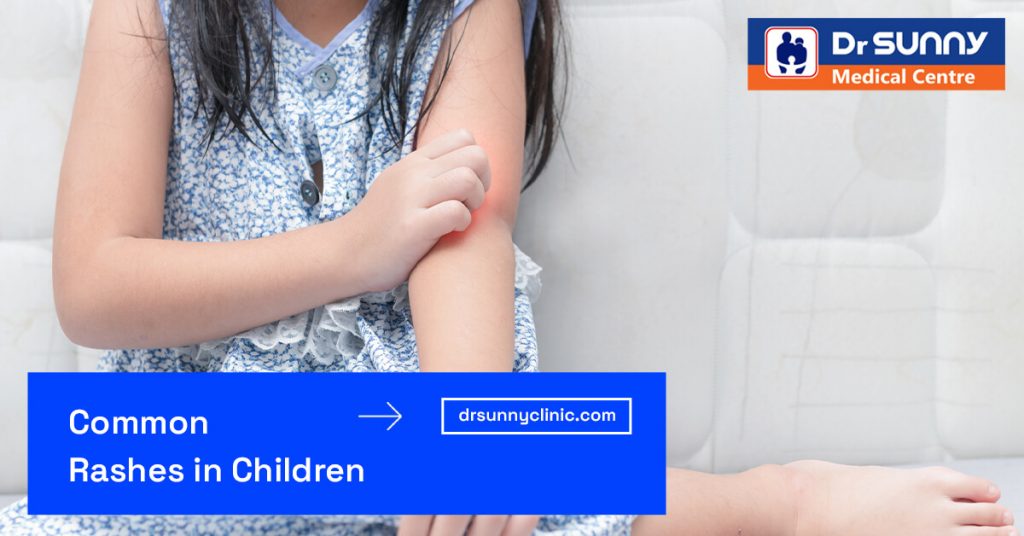
Common Rashes in Children

Common Rashes in Children

As a parent you might want a flawless skin for your child but very often young children and babies develop rashes on their skin. Most of the rashes are caused by viral infections and are typically harmless and usually go away on their own.  The rashes can be differentiated based on their appearance, location and associated symptoms. If you want to know more about the common rashes and the symptoms occurring in children keep reading this blog.

Most Common Rashes
Atopic dermatitis

It is a common childhood inflammatory skin disease. This chronic skin disease is relapsing in nature. Atopic dermatitis typically presents in infancy and early childhood and may persist into adulthood. Children may present with a variety of skin changes, including erythematous plaques and papules, excoriations, severely dry skin, scaling, and vesicular lesions. In few cases despite good skin care practices, topical corticosteroids are usually needed during flare-ups.

Roseola

It is mostly caused by human herpes virus 6 and affects infants and children younger than three years. It is often accompanied with symptoms like abrupt onset of high fever lasting one to five days. During this period, children often appear well with no focal clinical signs except possible mild cough or mild diarrhea.

Impetigo

It is a primary or secondary bacterial infection of the epidermis of the skin. Primary infections occur when bacteria enter breaks in the skin, whereas secondary infections develop at the site of an existing dermatosis.

Rashes which call for immediate medical attention
  • If your child has a fever and a rash that does not turn white (blanch) when pressed or they are very unwell, seek emergency medical care as it may be a sign of Meningococcal infection (or meningococcal disease) is caused by a bacteria called meningococcus.
  • If you notice a distinctive rash along with high fever in your child it may be a sign of measles. Measles is contagious and can be serious.

Reasons Why Your Child needs Flu Shot

Reasons Why Your Child needs Flu Shot

Some people do not understand that flu can be dangerous and as a result thousands of kids are hospitalized because of it every year and the consequences can be life threatening in some cases. Though it is recommended by pediatricians for kids aged 6 months and above but still many parents are hesitant to take their children to get this extremely beneficial annual vaccine.

The health care providers have always emphasized that flu shots are absolutely safe and protect against viruses. Though there are several myths surrounding the efficacy of the flu shots given to children but pediatricians have always approved of these vaccines. A few reasons why your child needs these flu shots include:

Flu Shots are Safe:

The minimum age for a flu shot recipient is 6 months. There are few conditions that would prevent kids from getting one. For instance if your child has fever, the pediatrician may not recommend the shot. The flu shots can’t make your child sick as they are made with components of inactivated influenza or a weakened virus. The recipients may experience brief soreness and swelling at the injection site and less than 1 percent will experience fever, chills and muscle aches.

Ensures Protection to All:

Getting vaccinated doesn’t just protect your child but it is also helpful in protecting the other vulnerable people in your family and society such as immunocompromised patients and elderly.

Avoid Sick Days at School

Getting a flu shot will help your child by not missing on important days in school and concentrate on learning.

Call Dr. Sunny Medical Centre and schedule an appointment for immunization against flu and secure your child against severe illness and hospitalization.
Telephone: 06 566 8966

Parent’s Guide to Allergies in Children

Parent’s Guide to Allergies in Children

Allergies are one of the most common medical conditions caused when the body’s immune system recognizes a foreign substance (such as a food, venom, or pollen) as a pathogen that it needs to fight.

While these allergy triggers are not actually harmful but having them at an early age can hinder a child’s physical and emotional health. Though most of the times it’s clear that a child has an allergy; other times, their symptoms may be more subtle. Let’s have a look at some common allergies faced by children.

Common Types of Allergies
Skin Allergies

Does your child have rashes, that don’t seem to go away; it may be a sign of skin allergy. Skin allergy is the most common allergy found in children. Antihistamine creams and lotions may help in soothing skin allergies.

Food Allergies

The second most common allergies in children are to foods. If your child consumed something that did not suit them it can have adverse effect on your child’s health. Food allergies can cause diarrhea. If your child has diarrhea it is better to serve them a bland diet and make them drink plenty of water or other fluids as a natural cure for it.

Respiratory Allergies

Respiratory allergies are most common in older children. It is difficult to avoid airborne allergens, which can cause respiratory symptoms like congested sinuses.

Getting rid of allergies

If you suspect your child has allergies, it’s better to have them evaluated by a doctor to ensure proper treatment. A pediatrician can review your child’s symptoms and offer guidance for treatment.

If the allergy is severe your child’s doctor may suggest allergy shots. Pediatricians suggest these shots will help children become less sensitive to allergy triggers. With each shot, they will be injected with a tiny dose of the allergens that trigger the problem. This will boost the immunity in the children when they come in contact with the allergens in day-to-day life.

Tips to Promote Healthy Eating Habits for Your Young Child

Tips to Promote Healthy Eating Habits for Your Young Child

If you want your child to grow into an adult who would practice healthy eating habits, you need to teach them young. Healthy eating habits need to be instilled from a young age. Though it may seem tough and often take time and patience but it would be worth it. If your young children are giving you a tough time by not eating healthy and nutritious food you can take the help of the following tips to inculcate healthy eating habits:

Make snack time healthy

Young kids love snack time and they should be encouraged to eat healthy snacks which could provide them with the nutrients and calories they will need each day to grow. The best way to promote healthy snacking is by having fewer junk foods around. This will force your children to eat more fruits, vegetables, whole grains, and dairy products. Good snacks include low-fat yogurt, peanut butter and celery, or whole-grain crackers and cheese

Include enough fiber in meals

Most families don’t eat enough fiber on a daily basis. Breakfast can be an easy place to sneak it in. Look for high-fiber cereals like oats as a quick fix and healthy breakfast option.

Be a good role model

If you’re constantly on a diet or have erratic eating habits, your children will grow up thinking that this sort of behavior is normal. So make sure that as a role model you also are eating healthy and nutritious food and don’t skip meals.

Experiment with food

If your kids won’t eat vegetables, experiment with condiments and dips. You can also include vegetables in small quantity in food that your kids like to eat. For instance, if your child loves eating rolls, you can probably make them a vegetable roll.

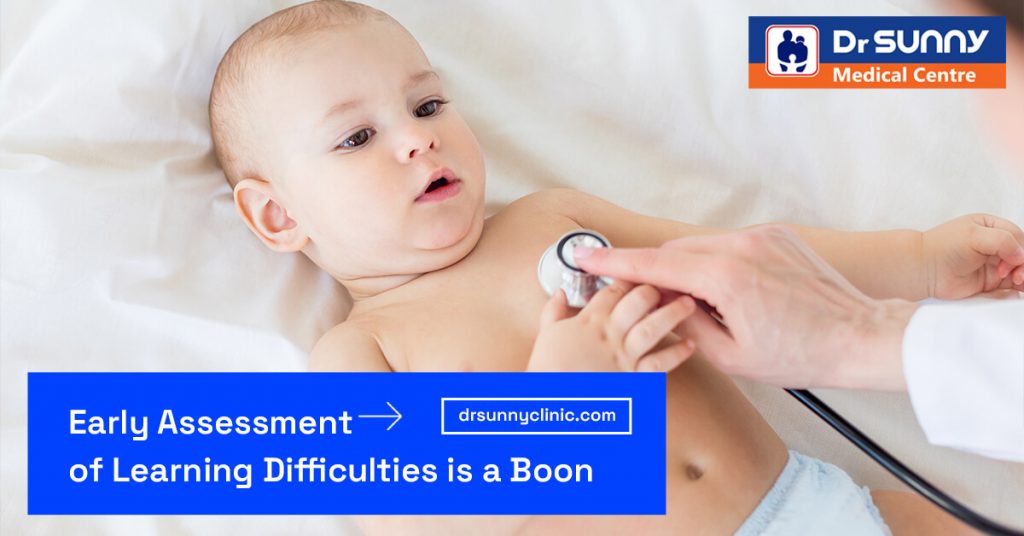
Early Assessment of Learning Difficulties is a Boon


Early Assessment of Learning Difficulties is a Boon

Does your child mix up or reverse letters while reading or has difficulty in focusing on work or paying attention in class? If these problems sound familiar then it is essential for you to find out what is happening with your child’s learning skill as early as possible by consulting a pediatrician. Your child may be having learning difficulties including Dyslexia (difficulty with reading), Dysgraphia (difficulty with written expression), Dyscalculia (difficulty with Mathematics), AD/HD (difficulty with memorizing or paying attention).

Early detection of the learning difficulties can help in improving the learning capability of children from the very beginning. The teachers and parents can get the right learning strategies after consulting their child’s doctor that will be specifically tailor made to each child’s specific strengths and weaknesses. Most education experts recommend a full learning assessment as the first step towards helping the child to reach their full learning potential.

What does a full learning assessment involve?

The learning test will vary according to the issues faced by the child and his/her age. Few basic practices include:

  • An initial review of the child’s learning history
  • Standardized cognitive testing (thinking & reasoning ability): This identifies any underlying issue with key skills such as processing speed, auditory processing, verbal learning issues and non-verbal learning issues.
  • Standardized achievement testing (includes academic skills): This test measures the abilities in key academic area such as reading, writing, spelling, mathematics or oral language.
  • Detailed assessment report with a clear summary and diagnostic opinion.
  • Specific learning recommendations for school and home
  • Comprehensive parent feedback session to answer their queries

With right learning strategies and support in place since the beginning, positive results can be achieved and maintained over a long term. Early action also reduces emotional problems associated with school performance such as failure, anxiety and depression. The information can enable parents to make more informed decisions related to their child’s education.

pediatrician

Halloween Safety Tips for your Kids

Halloween Safety Tips for your Kids

Halloween equals costumes and treats and kids eagerly wait for this night of the year. But sometimes if you fail to take safety measure the occasion can turn out to be dangerous. Keep the following tips in mind to ensure that your children have a happy and safe Halloween.

Plan costumes & makeup in advance:

Halloween costumes and makeup are the most exciting part of the celebration for the children. As parents you should make sure that the costumes fit well. If the costume is too long it can cause your child to trip. If your child wants to experiment with their look and try out a scary make-up, make sure that you test it for any reactions or allergy on a small patch of your child’s skin to make sure that there are no unpleasant allergic reactions on the big day.

Never allow small children to carve pumpkins:

Your child may want to carve the pumpkin, but allowing them to do so may end up in a mishap. Carving needs a sharp object and kids might hurt themselves while using a blade. Allow them to draw a face with markers but carving should be parents’ responsibility.

Use glowstick instead of candle: To light up your pumpkin using a candle may not be the safest option. It is always better to use a flashlight or glowstick to avoid any mishap.

Restrain pets:

Although most animals are friendly but still there are chances of children getting bitten by them. If you have pets at home, they might jump or bite the trick-or-treaters coming to your house, so it is advisable to restrain them.

Remove tripping hazards:

Many trick-or-treaters might visit your house on Halloween day, make sure you clear anything that a child could possibly trip over, including lawn decorations or garden hoses.

Never leave young children alone:

With younger children it is advisable to plan Halloween activities earlier in the day. Do not let the children visit the neighborhood after it is dark. If your older children insist on going alone, review the route they take and make sure they have extra flashlights with them and agree on a specific time for their return.