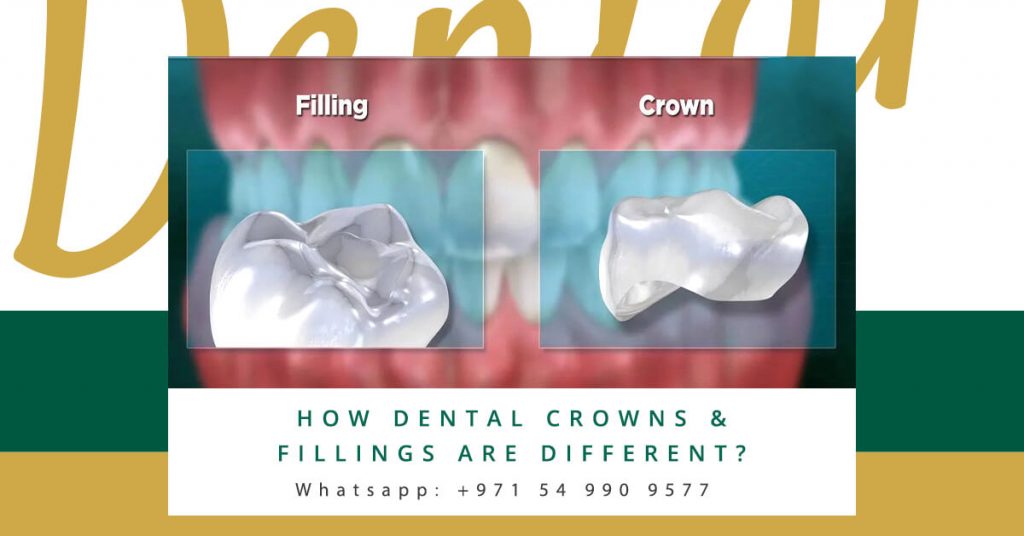
How Dental Crowns & Fillings are Different?

If you are looking for a treatment for tooth decay or other dental problems you might have come across various dental treatment options including dental crown, dental filling or dental implants. If you are confused which treatment will work best for you, keep reading this blog to know the difference between these treatments.

Dental Crowns

A dental crown is a ceramic or porcelain fake tooth that fits over an existing tooth. Your dentist will suggest a dental crown if your tooth is damaged to a great extent.

This dental crown can be combined with dental bridges which can be used to fill a gap between teeth with the crown holding it in place. Dental crowns can protect tooth from further damage and restore broken teeth. The dental crowns are permanent and can be cleaned just like your natural teeth.


Dental Fillings

While dental crowns are necessary in case of severe tooth decay, dental fillings are used to restore teeth with smaller damages. Dental fillings are most commonly used to treat small cavities. One of the major differences between dental crowns and dental fillings is that during dental filling the decayed tooth material is removed and the tooth is cleaned before covering it with filling. The dental filling is usually made of composite resin that resembles natural teeth. Other materials that can be used for fillings are amalgam, porcelain or metals like gold and silver. While in a dental crown nothing gets removed from the teeth as it is placed over the existing teeth.

How to choose between dental crown & fillings

After considering the severity of decay of your teeth, the desired results, your overall health and your budget your dentist will let you know if you need a dental crown or a dental filling.
Preventing Heart Disease Starts with Caring for your Teeth

Did you know that brushing your teeth not only helps in preserving your perfect smile but it can also significantly lower the risk of heart diseases? It may be surprising but recent studies show that if you have gum diseases in a moderate or advanced stage, your chances of getting a heart disease is higher than a person with healthy gums. Your oral health can provide doctors with warning signs for various diseases, including heart conditions.

How poor oral health can cause heart conditions?

Bacteria and other germs from your mouth may spread to other parts of your body through bloodstream and cause an elevation in C-reactive protein, a marker for inflammation in blood vessels. If these bacteria reach your heart they can attach themselves to any damaged area and cause inflammation. This can cause cardiovascular conditions such as atherosclerosis (clogged arteries), endocarditis (an infection of the inner lining of the heart) or even stroke.

Prevention is better than cure

Being proactive about your dental hygiene can save you from several complicated cardiovascular diseases. Here are few tips that can help you maintain a good dental hygiene and potentially decrease your risk for heart problems:

  1. Brushing & Flossing Teeth: The most basic type of oral hygiene starts with brushing your teeth at least twice a day using soft-bristle toothbrush. Some people may be suggested to use an electric toothbrush, especially if they have precision issues. Similarly, flossing teeth will help you to get rid of food particle stuck in between your teeth. This may lower the risk of bacterial growth that can also lead to tooth decay.
  2. Schedule Regular Dental Check-ups: If you already have gum diseases, your dentist will want to see you very 3-4 months for cleaning. Even if you don’t have gum diseases you should see your dentist every six months.

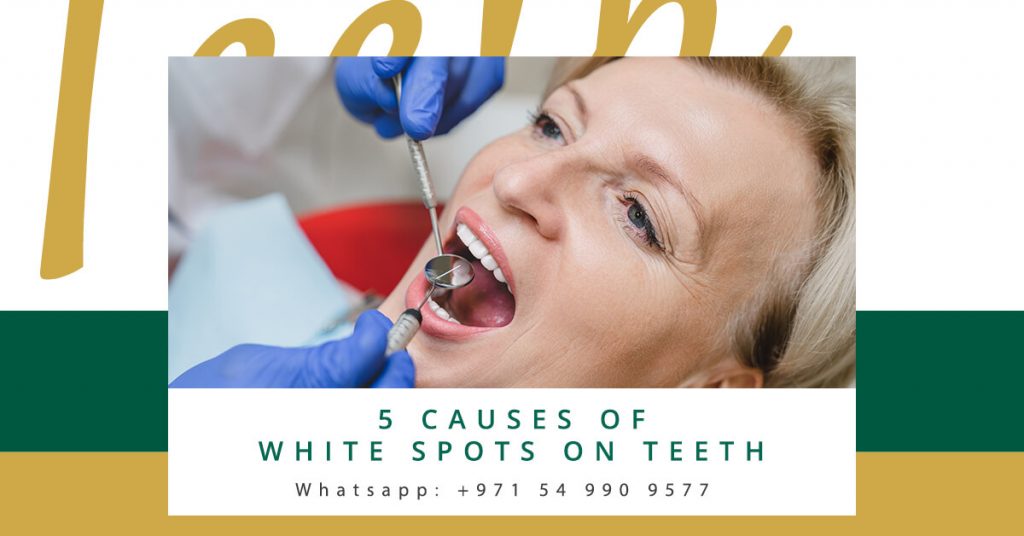
5 Causes of White Spots on Teeth

Have you ever noticed white spots on your teeth while brushing or flossing teeth and wondered how did it happen? Technically known as white spot lesions, it is a kind of discoloration that is not consistent and shows up as spots, marks or stripes. In this blog post we will discuss the potential causes and possible treatments for these white spots. White spot lesions can occur in all ages due to various reasons, some of the primary causes include:

  1. Dental Fluorosis: While there are numerous benefits of fluoride, but an overexposure of fluoride can cause discoloration that appears as white spots. The overexposure can be a result of drinking overly fluoridated water, taking fluoride supplements or swallowing toothpaste.
  2. A Low Calcium Diet: If you are not including foods rich in calcium in your diet it can result into appearance of white spots on your teeth.
  3. Enamel Hypoplasia: It is a tooth defect where the enamel does not form properly and as a result it is thinner than normal. The causes of this condition may be vitamin deficiency, medications given to mother during pregnancy or trauma to teeth.
  4. Bacterial Overgrowth: If you are not following a proper dental hygiene routine, there are high chances that your mouth may turn into a perfect breeding ground for bacteria. This can cause white spots, if not treated quickly it can result into tooth decay.
  5. Braces: If you had braces for a long time, discoloration may happen where the braces were glued to your teeth. Though it tends to disappear over time but poor dental hygiene may make it look more prominent.

If you notice these white spots and are concerned about the appearance of your teeth, do not hesitate to consult your dentist. There are numerous treatments to reverse the condition such as:

  1. Professional Teeth Whitening: You can choose from various options including enamel microabrasion or chemical bleaching that will help your teeth look whiter and also get rid of the spots.
  2. Porcelain Veneers: As we know dental veneers are the ultimate cover up to hide any kind of dental problem. So, if you want to hide those spots you can opt for veneers that perfectly match with the shade and shape of your natural teeth.

Eat these foods to boost your Oral Health

You are what you eat, and this adage stands perfectly true when it comes to maintaining a good dental hygiene as healthy food choices can help in preventing tooth decay. Just like every part of the body your teeth and gums need proper nutrition to function at the best. Foods rich in calcium, minerals, probiotics and foods that help in producing saliva can boost your oral hygiene and also protect the enamel of your teeth. So, this time before you decide to write down your grocery list do not forget to add the following foods to actively promote dental hygiene.

  1. Leafy Greens: Leafy greens are full of vitamins and minerals; they should be a part of your diet due to their various health benefits. Leafy greens like spinach, kale and lettuce are a rich source of folic acid and B vitamins. You can add these leafy greens to your salad or make it into a green smoothie.
  2. Tea & Nuts: Unsweetened black tea and green tea can prevent tooth decay as they contain plaque fighting ingredients. Tea also contains polyphenols which have numerous health benefits. Similarly including almonds and cashews in your diet is good for your teeth as it is a rich source of calcium & protein, which is beneficial to teeth and gums.
  3. Lean Protein: Lean protein like fish, eggs, meat and tofu are a great source of phosphorus and protein that help in protecting the teeth enamel.
  4. Eating fibrous food: Including foods that are rich in fiber is another great way of keeping your teeth and gums healthy. For example chewing on an apple can stimulate your gums and reduce cavity-causing bacteria and increasing saliva flow.
  5.  Water: Drinking water, especially if it contains fluoride can be of great help to keep your teeth in the perfect shape.

Including these foods to your diet can improve your dental hygiene. Additionally adopting healthier habits like limiting products high in sugar content like soda as well as limiting snacks high in carbohydrates can promote dental hygiene and prevent tooth decay.

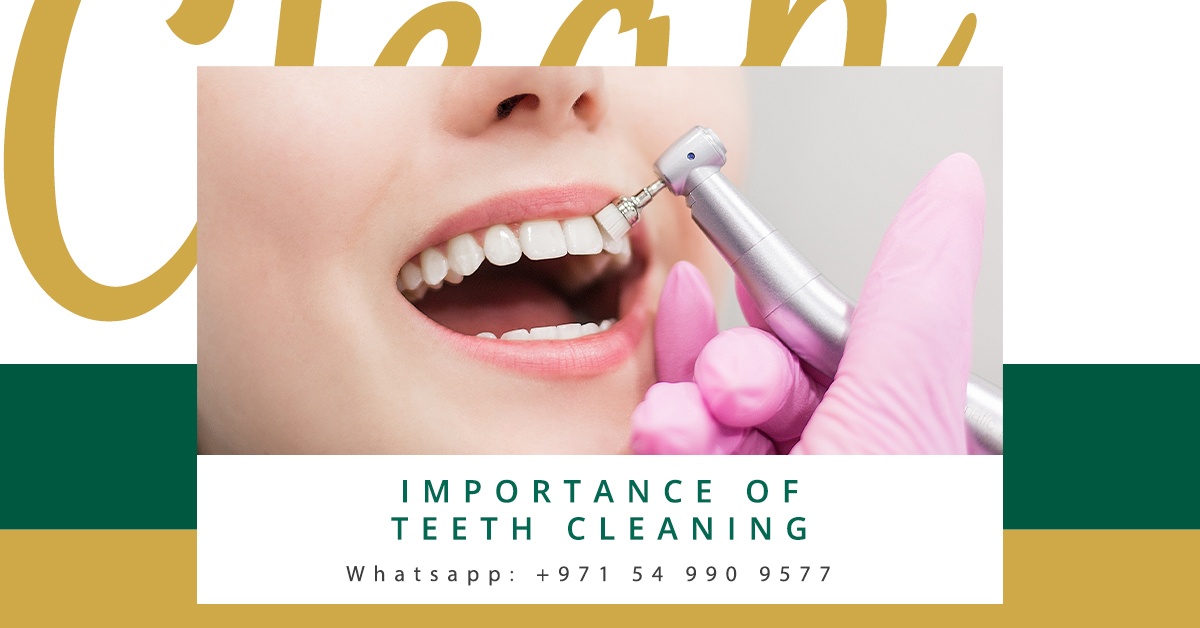
Importance of Teeth Cleaning

If you wish to have an impeccable dental hygiene, then you must make regular dental cleanings an essential part of your lifestyle. Besides ensuring that your teeth and gums remain healthy, dental cleanings will also allow your dentist to check for early signs of tooth decay or gum diseases like gingivitis. If you never had a dental cleaning or are confused whether you should include dental cleanings to your priority list, consider the following points

Brighten your smile

It is obvious that patients who get regular dental cleanings have whiter and brighter teeth with fewer stains. During regular cleanings the dentist also removes the plaque on teeth and tartar that gets accumulated despite brushing daily.   

Prevent cavities

The most common reason why people do not skip their regular appointments with dentist is to avoid cavities. Getting teeth cleaned is much easier and cost-effective than filling a cavity or getting a root canal done. 

Prevent tooth loss

Early detection of gum diseases can prevent the movement of plaque down into the tooth where it can destroy supporting bone tissues in the jaw and result into tooth loss.

Keep bad breath away

Though  brushing and flossing teeth regularly can help keep your breath fresh, but a professional dental cleaning every 6 months helps control the generation of bacteria in the mouth that are responsible for bad breath. 

Benefits for overall health

The condition of your teeth and gums can be reveal a lot about your overall health. It can even have a profound impact on general health. Thus, regular dental check-ups can help you avoid some serious health issues. For example during the dental visit, your doctor does a thorough examination of the tongue, throat, face and neck. The dentist will look for redness, inflammation or tissue changes indicative of cancer. Identifying diseased tissue at an early stage can make a huge difference and help in saving a life. 

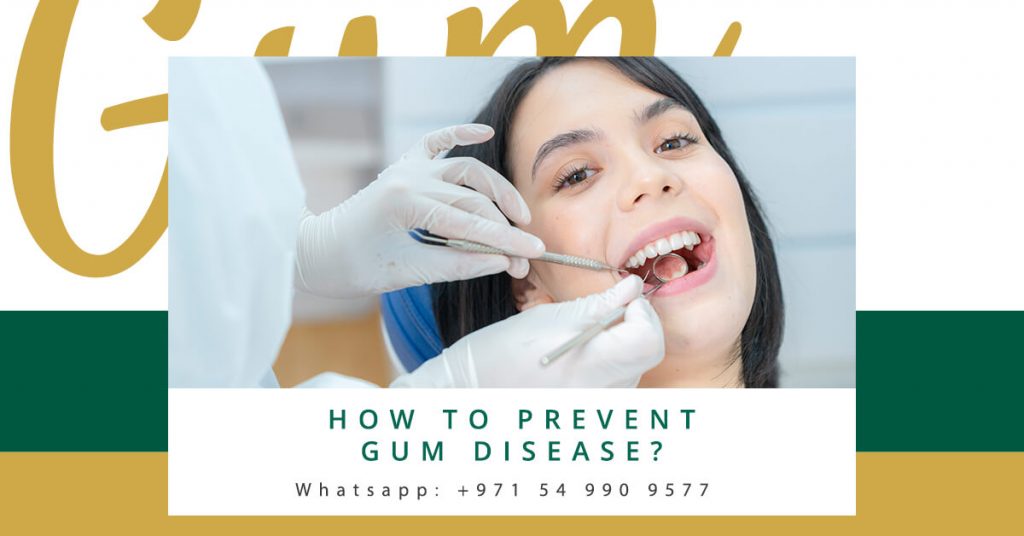
How to Prevent Gum Disease?

Are you experiencing bleeding gums? Don’t shrug it off, as it can be an indicator of gum disease. Healthy gums are as important as having the perfect teeth and a beautiful smile. The accumulation of plaque on teeth (a sticky substance filled with bacteria) along the gum line can cause infections that can harm your gums that will eventually result into tooth decay. There are three stages of gum diseases:

  1. Gingivitis: The earliest stage of gum disease that may cause inflamed or swollen gums or bleeding gums. In this the bone and tissue anchoring the teeth is not harmed, hence damage caused by it is reversible.
  2. Periodontitis: The next stage of gingivitis, it affects the bones holding your teeth in place. If not treated it can damage the gums, bones and tissues connected to your teeth.
  3. Advanced periodontitis: The final stage of gum disease in which the fibers and bone supporting the teeth is completely damaged and forcing the removal of the teeth.

Tips to prevent gum disease:

1 Practice good dental hygiene: Besides brushing the teeth, adopt flossing teeth on a daily basis to remove the plaque on teeth.

  1. Regular dental cleaning: Prevention is better than cure, and if you don’t skip your regular appointments with your dentist, gum diseases can be detected earlier and hence treated before they reach the stage where there is no other option than removing the affected tooth.

Besides detection, the dentist can also provide you with professional cleaning that can remove plaque as well as tartar on teeth.

  1. Use therapeutic mouthwash: Rinsing your mouth with a therapeutic mouth wash can help in reducing plaque on teeth, reduce the speed that tartar develops hence reducing the chances of getting gum diseases.
  2. Use fluoride toothpaste: Now days there are plenty of options available if you just type toothpaste for bleeding gums in your Google search. But if you want to choose the best for healthy gums make sure that your toothpaste contains fluoride.

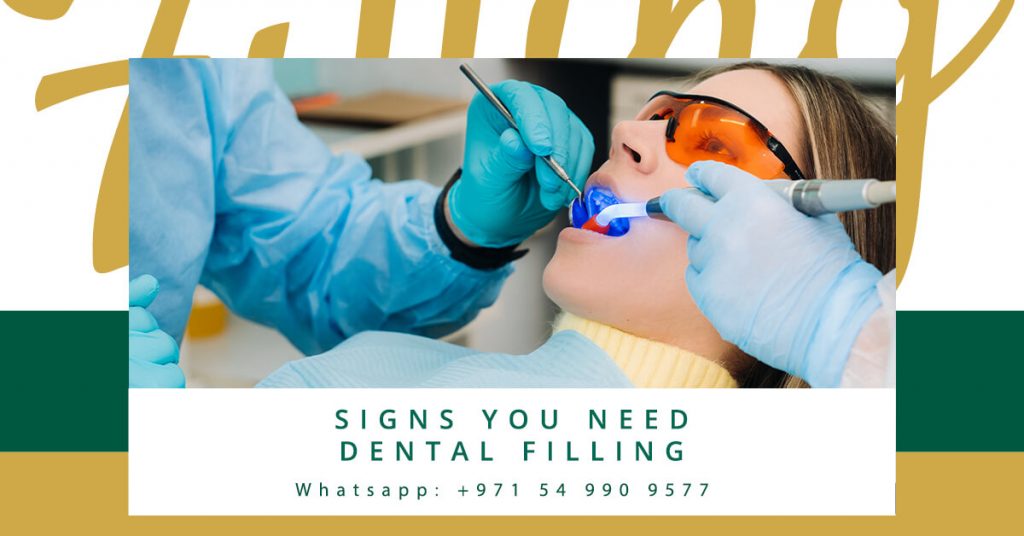
Signs you need Dental Filling

Dental Fillings are used to restore teeth with smaller damages. Dental fillings are most commonly used to treat small cavities so that they don’t turn into bigger dental problems down the road. Besides cavities, dental fillings can also be used by your dentist to treat cracks and fracture in teeth.

If left untreated the tooth decay may need serious treatments including root canals or may also need tooth extraction. During dental filling the decayed tooth material is removed and the tooth is cleaned before covering it with filling. The dental filling is usually made of composite resin that resembles natural teeth. Other materials that can be used for fillings are amalgam, porcelain or metals like gold and silver. Wondering if you need a dental filling? Here are few signs that you do:

Toothache:  If you experience a sudden throbbing pain while chewing or biting food, it may be a sign that you need dental filling. Sensitivity to certain food especially cold beverages or ice cream may also be an indication that you require to see your dentist and get a filling.

Tooth Crazing: Sometimes you might have noticed vertical lines on your tooth enamel. This might appear due to various reasons including biting nails or grinding your teeth. The vertical lines may darken over time, dentists can cover these crazed lines with tooth filling to restore the natural look of the teeth. This procedure is popularly known as cosmetic bonding.

Chipped Teeth: As we age the enamel of our teeth wears down, sometimes this causes chipping of teeth and can lead to further damage. The flat biting edges may also darken with time. Luckily, with the use of tooth colored bonding these cracks can be filled and restore the damaged teeth as well as prevent further damage.

In case you are experiencing any of these signs, it is time to visit your nearest dental clinic and book an appointment to get dental filling.

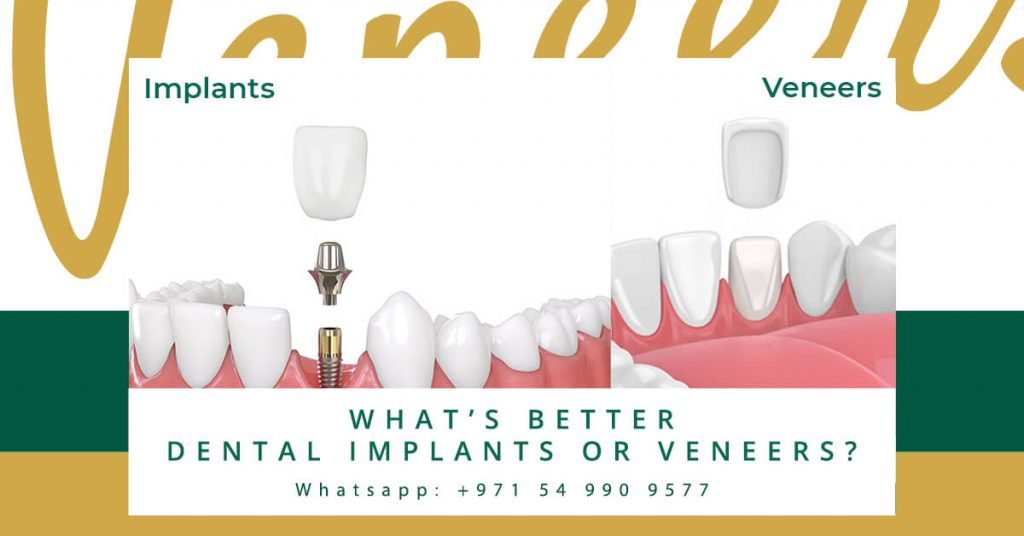
What’s Better Dental Implants or Veneers?

What’s Better Dental Implants or Veneers?

With so many dental procedures available to restore your smile, it is natural to get confused. If you are considering getting dental implants or veneers it is important to know the difference between the two procedures to make the best choice.

What are Dental Implants?

Dental implants should be your first choice if you are looking to cover up for a missing tooth and need a long lasting solution.  Metal pieces will be inserted into the jawbone. Once the bone and implant fuse, a crown restoration will be performed to finish the procedure. The implants will look almost identical to your natural teeth.

What are Dental Veneers?

If you envy the smile of your favorite superstar and yearn for the perfectly aligned and pearly white smile your best option will be dental veneers. The thin veneers mostly made of porcelain are custom-made to match your natural teeth and can correct a number of flaws.

Besides enhancing the aesthetic beauty of your smile veneers can also come into play if you want to protect your teeth from damage. The outer layer of your teeth known as the enamel is an extremely strong protective coat but it wears off over the time due to different reasons including ageing, abrasive brushing or having food that is high in acidic content. The thinning of the enamel can cause further tooth decay. To avoid this, your dentist can suggest the use of dental veneers as an extra protective layer.

Major Differences between Implants & Veneers

Time Required for procedures:

Dental Implants: The dental implants can be time consuming in comparison to Veneers. It varies depending on your treatment plan. It can take time since the jawbone needs to fuse with the implant before finalizing the procedure, the time will vary depending on the person and situation.

Veneers: Getting veneers is a faster option and can be completed approximately within three visits.

Durability

Dental Implants: Dental Implants can also last for a lifetime and are a more permanent solution.

Veneers: Veneers can last up to 10-15 years if taken proper care.

How often should I get my teeth cleaned?

Following a good dental hygiene should not be an excuse for you to skip your professional dental cleaning appointments.

Benefits of Getting Teeth Cleaned Professionally

Professional dental cleaning has numerous benefits including helping to remove plaque on teeth, tartar on teeth and most stains as well as ensuring that your teeth and gums remain healthy. Dental cleanings will also allow your dentist to check for early signs of tooth decay or gum diseases like gingivitis. Paying for regular dental cleanings will cost much lesser than paying for a filling a cavity or getting a root canal done.

Though  brushing and flossing teeth regularly can help keep your breath fresh, but a professional dental cleaning every 6 months helps control the generation of bacteria in the mouth that are responsible for bad breath. Your overall health can also benefit if you don’t skip your regular dental cleaning appointment as regular dental check-ups can help you avoid some serious health issues. For example during the dental visit, your doctor does a thorough examination of the tongue, throat, face and neck. The dentist will look for redness, inflammation or tissue changes indicative of cancer. Identifying diseased tissue at an early stage can make a huge difference and help in saving a life.

When to Visit Dentist for Cleaning?

After reading all these benefits you might be wondering how often you should be getting your teeth cleaned? Most of us can get away with two trips in a year while people who fall in high risk group might need to visit their dentist more often.

People with chronic conditions such as heart disease or diabetes need to see their dentist more often as they are prone to gum diseases. People who are taking certain medications including blood thinners may need to visit the dentist more often as these medications complicate the process of tooth extraction & other dental procedures. Regular visits in such conditions will help your dentist to help detect problems before they become serious.

4 Reasons to Get Your Teeth Professionally Whitened


Even if you follow an impeccable dental hygiene routine, there are chances that your smile may become dull over the time. If you are trying to get back the perfect white smile, you might have come across several teeth whitening kits available in the stores that claim to deliver the best results. But the fastest, safest and most effective way of getting whiter teeth can only be achieved with the help of a dentist. Teeth whitening will not only enhance our appearance but also help us look younger. Here are a few advantages of opting for a professional teeth whitening session:

  • Quicker results: Unlike the teeth whitening kits, a professional teeth whitening treatment can give you a beautiful smile within an hour. You need not wait for weeks to see the desired result. So rather than wasting your time and money on teeth whitening kits directly head to a dental clinic near you if you wish to get a brighter and whiter smile.
  • More even results: When you apply the store bought whitening solutions on your own, it might result into uneven whitening. On the other hand when your dentist does it professionally the results are more even. Prior to starting the treatment your dentist will make a record of the current shade of your teeth and after deep cleaning, the dentist spreads the whitening solution evenly on the surface of the teeth giving you the best whitening results.
  • Professional whitening is more reliable: You don’t really know about the ingredients used in the teeth whitening kits. The components used in the whitening kits may damage your Whereas, if you opt for a professional teeth whitening treatment, your dentist will know what products might suit your teeth and conduct the teeth whitening procedure accordingly.
  • Dental cleaning: If you have stains or excess plaque on teeth, normal teeth whitening kits may not help you. When you take the professional teeth whitening treatment, your dentist will do a thorough cleaning that can remove plaque on teeth, tartar on teeth and most stains.

So, if you want to get a brighter smile for any special occasion, book an appointment with your dentist for a professional teeth whitening session.