Get kids school ready with Flu shot

Get kids school ready with flu shot

Get Kids School Ready with Flu Shot

It’s back to school time, but before sending them to school make sure they are protected against illnesses like Inflluenza. Influenza, commonly known as the flu, is a contagious respiratory illness caused by influenza viruses. It affects people of all ages, including children, and can lead to serious complications, especially in vulnerable populations.

The best way to help kids stay in school and ready to learn is by making sure that they take the flu shot.  It’s especially important for children with underlying health conditions, as they are at higher risk for severe flu-related complications. Schedule an appointment with us today for the flu shot.

Here are some important things parents should know about influenza:

Vaccination: Annual flu vaccination is the most effective way to prevent influenza and its complications. The vaccine is recommended for everyone aged 6 months and older, including children. It’s especially important for children with underlying health conditions, as they are at higher risk for severe flu-related complications. It’s best to get vaccinated before the flu season begins, which typically peaks in winter.

Prevention: Apart from vaccination, other preventive measures include practicing good hand hygiene, covering the mouth and nose when coughing or sneezing, avoiding close contact with sick individuals, and keeping your child home from school or daycare if they are unwell.

Symptoms: Flu symptoms often include fever, cough, sore throat, runny or stuffy nose, body aches, headache, fatigue, and sometimes vomiting or diarrhea in children. Symptoms usually appear suddenly and can be more severe than those of a common cold.

Transmission: Influenza spreads through respiratory droplets when an infected person coughs, sneezes, or talks. It can also spread by touching surfaces or objects contaminated with the virus and then touching the mouth, nose, or eyes.

High-Risk Groups: Certain groups, such as children under 5 years old (especially those under 2), children with chronic medical conditions, pregnant women, and those with weakened immune systems, are at higher risk for flu-related complications. They should take extra precautions and seek medical care promptly if flu symptoms arise.

Complications: Influenza can lead to complications like pneumonia, bronchitis and ear infections, and worsening of chronic medical conditions like asthma. Watch for signs of severe illness, such as difficulty breathing, persistent high fever, dehydration, and changes in mental status, and seek medical attention if necessary.

It’s important to consult with a pediatrician for specific guidance and recommendations tailored to your child’s individual health needs and circumstances. To prevent all these complications, book an appointment with our pediatrician and make sure that your little bundle of joy gets the flu shot before he/she goes back to school.
 

Is fever normal in babies after vaccination?

Is fever normal in babies after vaccination

Is fever normal in babies after vaccination?

Did your baby experience fever after he/she was administered a vaccine? If yes, it is normal as fever is one of the common side effects that can occur after immunization. It is not uncommon for babies to experience a mild fever after receiving vaccinations. It is the body’s natural response to the vaccine as it activates the immune system. Fever generally occurs within 24 to 48 hours after vaccination and typically resolves on its own within a couple of days.

In most cases, a low-grade fever (below 100.4°F or 38°C) is considered normal and is not a cause for concern. It is a sign that the body is responding to the vaccine and building immunity.

It’s important to note that fever after vaccination is generally a temporary and mild reaction. Most babies tolerate it well and experience no further complications. To help manage your baby’s fever, parents can offer them plenty of fluids, dress them in lightweight clothing, and monitor their temperature closely. Your pediatrician may also recommend appropriate fever-reducing medication if necessary.

Remember, vaccination is a crucial step in protecting your baby against serious illnesses, and the benefits of immunization far outweigh the temporary discomfort of a fever. Your pediatrician or healthcare provider can provide you with more specific information and guidance based on your baby’s individual circumstances.

How should parents take care of kids after vaccination?

  • Cuddle and comfort the child.
  • Provide medication prescribed by your pediatrician if your child is experiencing fever.
  • Offer more liquids as children may not want to eat much during the first 24 hours of the vaccination.

It is important to consult a good pediatrician for personalized medical advice regarding your baby’s health and any concerns you may have. If you are concerned about the fever in children after they have been administered a vaccine, book an appointment with our expert pediatricians today.

What Is a Developmental Delay?

What Is a Developmental Delay - consult pediatrician

What Is a Developmental Delay?

Is your child unable to roll on both sides even after six months or doesn’t speak even after you celebrated his third birthday? All this might be an indication of developmental delay. Development delay refers to a significant lag or slowness in a child’s development compared to typical milestones expected for their age group. It means that a child is not reaching developmental milestones at the expected time or is acquiring skills at a slower pace than their peers. Developmental delays can affect various areas of a child’s development, including physical, cognitive, communication, social, and emotional development. If you want to know more about the developmental delays, the causes and what should be done if you suspect developmental delays in your kids, keep reading this post.

Cause of Developmental Delays

Developmental delays can be caused by various factors, such as genetic conditions, birth complications, premature birth, environmental factors, or certain medical conditions. They can manifest in different ways depending on the specific area of development affected. For example, a child with a motor delay might have difficulty sitting, crawling, or walking, while a child with a communication delay may struggle with speech and language skills.

How We Can be of Help?

It is important to note that developmental delays are not necessarily permanent or indicative of a long-term disability. With early identification and appropriate interventions, many children can make significant progress and catch up to their peers. Early intervention services, such as therapies and specialized educational programs, are often recommended to support a child’s development and address any underlying challenges.

This is where you can rely on us, we at Dr. Sunny Medical Centre offer monitoring growth & development for children. Our expert pediatricians thoroughly examine your little ones during each visit to ensure that they are developing well.

To sum it up, if you suspect that your child may have a developmental delay, it is recommended to consult with our specialist pediatricians who will conduct assessments and provide appropriate guidance and interventions tailored to your specific needs. Remember early intervention is the key to help your child in such cases, so why wait to call. Book an appointment today.


Common Childhood Infections

Common Childhood Infections - best pediatrician

Common Childhood Infections

Children are more likely to fall sick in comparison to adults as their immune system is still underdeveloped and they are at higher risk of exposure to germs. As parents you should be aware of the common infectious diseases prevalent in children and know when to seek medical help. Here are a few common childhood infectious diseases that you need to look out for:

Stomach Flu: If your little one is complaining of stomach pain it might not be just another excuse to bunk school but may be an indication of gastroenteritis, commonly referred to as the stomach flu. It is usually caused by viruses such as rotavirus or norovirus. It leads to diarrhea, vomiting, abdominal pain, and sometimes fever.

Common Cold: The common cold is caused by a variety of viruses, including rhinoviruses. It is characterized by symptoms such as a runny nose, cough, sore throat, and mild fever.

Influenza (Flu): Influenza is a viral infection that causes high fever, body aches, cough, sore throat, and fatigue. It can be particularly severe in young children.

Strep Throat: Strep throat is a bacterial infection caused by group A Streptococcus bacterium. It leads to a sore throat, pain while swallowing, swollen tonsils, and sometimes is also accompanied by fever.

If your kids are showing symptoms of any of the above-mentioned infections, it is important that you consult our expert pediatricians for the best possible treatment and quick relief from the health concern. If you have any questions or need any further information you can contact us and book an appointment today.

Give your baby the best by choosing Dr. Sunny

baby doctor pediatric doctor

Give your baby the best by choosing Dr. Sunny

If your child’s health is your topmost priority, you should choose Dr. Sunny as your healthcare provider. If you are wondering why keep reading this post.

We provide pediatric care for all age groups whether it is a newborn, toddler, or an adolescent. Our services are built keeping in mind the health issues that can affect children of any age group, such as:

Well baby Clinic: Our well baby clinic is specially designed to focus on improving the overall well-being of infants and toddlers. Our well baby check-ups include evaluating weight and other measurements of the baby, understanding infant dietary requirements, resolving feeding, and sleeping issues as well as managing common illnesses.

Pediatric Outpatient: We aim to detect and prevent/manage any physical, emotional, social, or developmental issues that may be present from birth in your little ones. Through our pediatric outpatient we diagnose and treat acute and chronic illnesses, injuries, and other disorders that affect children.


Monitoring Growth & Development: Documenting the growth and development of a baby is quite essential as missed milestones can be a sign of an underlying health issue. This is the reason you should not skip your regular appointments with the pediatrician.

Immunization Advice: Following the recommended immunization schedule is important to protect kids from a range of infectious diseases. If you are looking for immunization advice or need your child to be vaccinated you can visit our clinic.

Dietary Advice: Most of the parents often complain that their children are picky eaters. To solve this issue, you can consult our expert pediatricians about the kind of diet your children should have that would cover their daily nutritional needs to grow well. A good diet will also help them to avoid chronic diseases.

Childhood Infectious Disease: Children often suffer from common flu, ear infections, stomach flu, infectious diarrhea, throat infections and urinary infections. You can rely on our pediatric experts to cure all these infectious diseases.

Management of pediatric Asthma & Allergies: Seasonal allergies are common in kids but sometimes these allergies can create absolute discomfort hindering your child from following their daily routine. Similarly pediatric asthma can also stop your child from participating in daily activities. Such allergies need immediate medical attention, and our pediatric experts are best in such situations.

Adolescent health care: For adolescents and young adults, there are several key areas that our pediatrician may focus on before prescribing medication. These include social and behavioral health, immunization (vaccines), healthy habits, reproductive and sexual health.

If you are looking for any of the services mentioned in the post book an appointment with us today to provide the best healthcare to your child.


Dietary advice for kids to keep chronic diseases at bay

dietary advice - best pediatrician

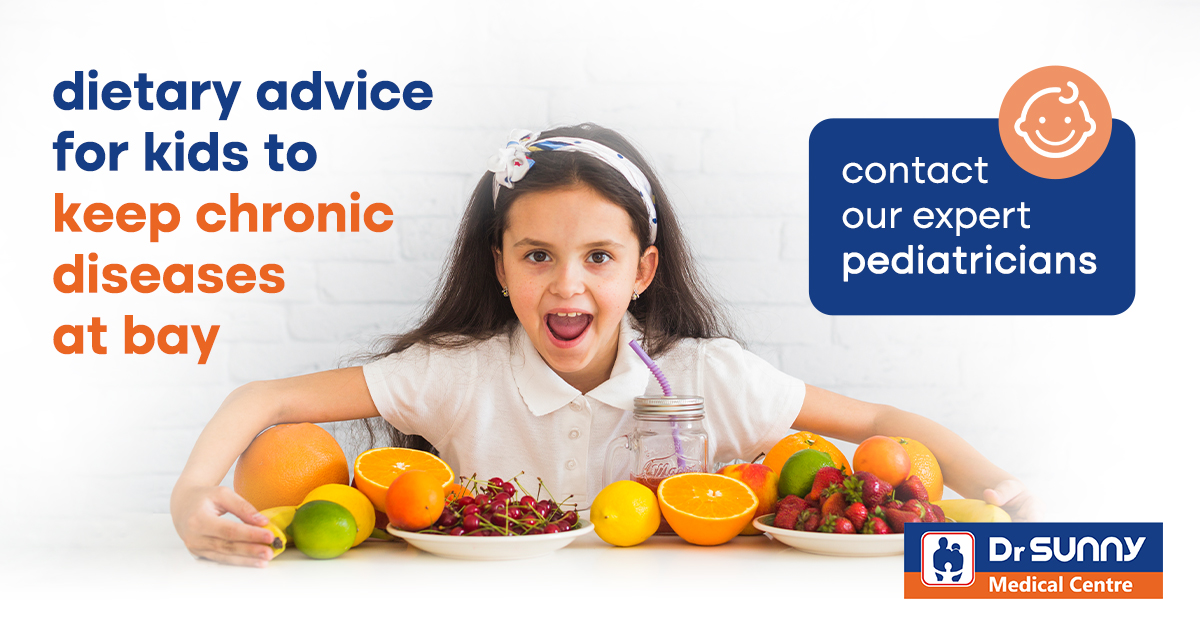
Dietary advice for kids to keep chronic diseases at bay

Living a healthy life will be one of the most precious lessons you would teach your children. Health is the ultimate wealth and children should learn this from an early age. However, now a days kids are mostly consuming processed food rather than a wholesome home cooked meal. Processed food can have a negative impact on the lives of your children in the long run.

Knowing what kind of food children should include in their diet can have a positive impact on their overall wellbeing. Maintaining a healthy diet can prevent the onset of many chronic diseases. Healthy eating habits must be practiced from a young age so that they become an inevitable part of the adult lifestyle. Here are few dietary advice approved by our expert pediatricians that can benefit your child to lead a healthier life:

Be a Role Model: Kids mostly pick up their eating habits from their parents. So as parents you should lead by example and should avoid munching on unhealthy snacks and try to include more nutritious food in your own plate.

Include more colours: You can make your child’s plate look more interesting by adding more colours to their plate. For instance, if you give them fruits which are loaded with fibers & antioxidants as snacks try to include more variety, maybe a mix of Kiwis & Mangoes on their tiny plate will make them finish it quickly.

Limit Sugary Snacks & Drinks: Though kids love to eat chocolates, candies and processed juices but as parents you should limit such snacks & drinks from becoming a regular in their diet. In the longer run these processed sugary drinks and snacks can lead to several health issues including Type 2 diabetes.

Make Sure they Stay Hydrated: During Summer kids can get dehydrated quickly, to avoid this parents should make sure that they are drinking enough water during regular intervals to avoid health issues such as infectious diarrhea.

If your child is a picky eater or is obese and you need a specific diet chart for them, you can contact our expert pediatricians and book an appointment today to get the answers to all concerns related to the diet of your child.


Tips for Increasing Children’s Activity Levels

child doctor pediatrician

Tips for Increasing Children’s Activity Levels

A child’s job is to play, but now a days play includes more screen time and less physical activity. Encouraging kids to be more active physically has loads of benefits but parents find it difficult to do so as most of the time kids are glued to the screens. If you are looking for tips to solve this problem, keep reading this blog.

First let us look at the benefits of promoting physical activity in children:

  • Building strong bones & muscles
  • Enhances social skills
  • Helps in improving brain function
  • Better sleep patterns
  • Improves balance
  • Improves cardiovascular fitness
  • Improves mental health (increased self-esteem)

If you are parents of young children and want to make physical activity a part of their daily routine the following tips can prove helpful:

Lead by example: Children often imitate the behaviors they see in their parents and child care professionals. Make sure you’re leading an active lifestyle and engaging in physical activities regularly. Let them see you enjoying exercise and being active.

Provide opportunities for active play: Create an environment that encourages active play. Have a variety of toys, games, and sports equipment available to your child, such as balls, jump ropes, bicycles, and hula hoops. Encourage them to engage in activities like running, jumping, climbing, and playing tag.

Limit screen time: Setting reasonable limits on screen time, including TV, video games, smartphones, and tablets may seem difficult, but it is doable. Encourage your child to spend more time outdoors or engage in active hobbies instead.

Fun Physical activities: Find activities that your child enjoys. It could be dancing, swimming, cycling or playing a sport. Make physical activity fun and enjoyable so that they look forward to it.

Family activities: Plan family activities that involve physical movement. Go for walks, bike rides, or play games together in the park. This not only promotes physical activity but also strengthens family bonds.

Organize playdates: Set up playdates with other children who enjoy being active. This can encourage your child to engage in group activities, sports, and games that require physical exertion.

The above-mentioned tips should be taken into consideration after keeping in mind your child’s age, abilities, and interests. If you are someone who leaves the kids with babysitters, or part-time nannies you can share these tips with them.

If you still want to seek the guidance of a pediatrician for a more detailed perspective, you can book an appointment with us today.

Safe Sleep Tips for Infants

best pedia for newborn

Safe Sleep Tips for Infants

Creating a safe sleeping environment for babies is a top priority for every new parent as babies sleep for about 16 hours a day. It is important for new parents, nannies or child care professionals to be informed about safe sleeping practices to reduce the risk of injuries and issues such as Sudden Infant Death Syndrome (SIDS). If you are someone who wants to learn more about the topic keep reading this blogpost. Below are some tips for keeping your baby safe while sleeping.

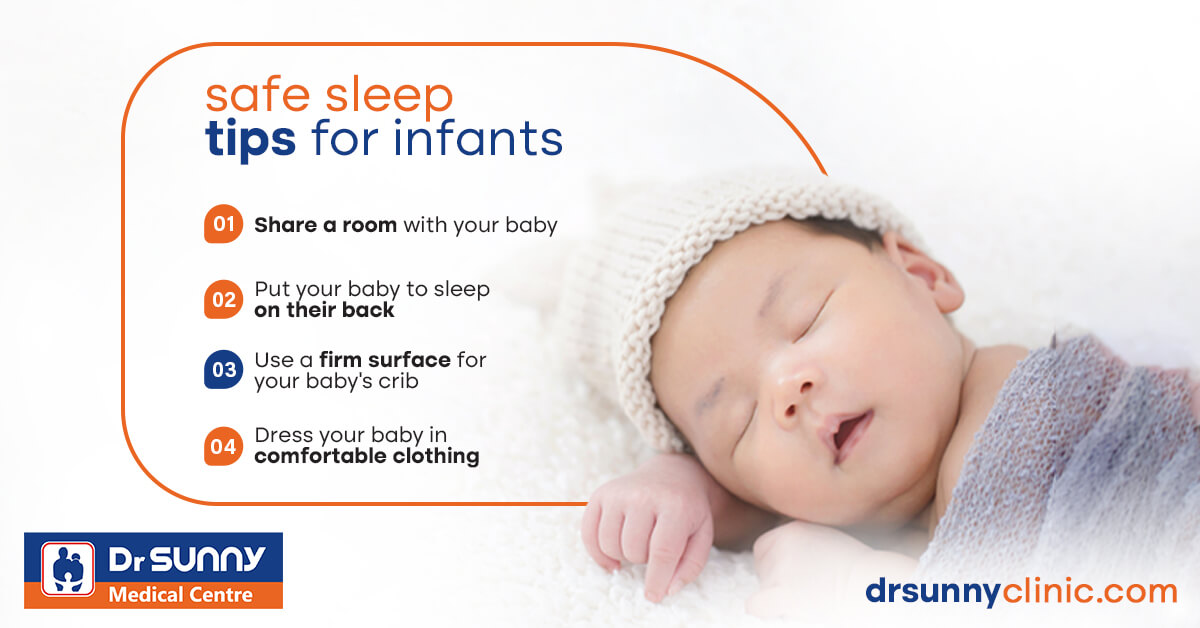
Share a room with your baby: To reduce the risk of sleep-related infant death, it is recommended to share a room with your baby and sleep close by. You can place your baby’s crib next to your bed, so you are within reach but not sharing a sleeping surface.

Put your baby to sleep on their back: Always place your baby on their back while putting them to sleep. It is not safe for a baby to sleep on their side or tummy. However, if your baby starts rolling over from their back to side or tummy and back again, it is not a problem.

Use a firm surface for your baby’s crib: Make sure the mattress in the crib is firm and there are no gaps between the frame and the mattress. Avoid placing any toys or other objects in the crib as they could put your baby in danger of being suffocated.

Dress your baby in comfortable clothing: When putting your baby to sleep, avoid covering their head and remove any strings or ties from their clothing. Ensure the room is at a comfortable temperature.

Avoid letting your baby sleep in a carrier, sling, or stroller: If your baby falls asleep in a carrier or sling, be sure to transfer them to their crib as soon as possible.

No matter how much you read up on parenting or get advice on newborn baby care from family or friends you still feel under prepped. You need not worry because we are here to clear up your doubts. You can consult our children’s doctor to help you create a safe sleeping environment for your baby or even get our newborn care services to help you. Call us today to book our services.

A Guide to Seasonal Allergies in Kids

A Guide to Seasonal Allergies in Kids

A Guide to Seasonal Allergies in Kids

Seasonal allergies in kids are a common health issue. They are usually caused by allergens such as pollen from trees, grass, and weeds, as well as mold spores. As a parent the symptoms of seasonal allergies can be worrisome for you as it can affect your child’s day-to-day life. If you are looking for some guidance to understand seasonal allergies in kids and how to manage them this blogpost is for you.

Common Symptoms of Seasonal Allergies:

The most common symptoms of seasonal allergies in kids include:

  • Runny or stuffy nose
  • Sneezing
  • Itchy or watery eyes
  • Scratchy throat
  • Ear congestion
  • Headache
  • Fatigue

How to Diagnose Seasonal Allergies:

If your child is experiencing the above-mentioned symptoms during a particular season, it may be an indication of seasonal allergies. An allergy test can confirm it and help identify which specific allergen is causing the symptoms.

How to Manage Seasonal Allergies

There are several ways to manage seasonal allergies in kids. Such as:

  • Reduce exposure to allergens: Keep your child indoors during peak pollen times, use air purifiers and air conditioning, and close windows and doors.
  • Make sure your child practices good hygiene: Regular hand washing can help reduce exposure to allergens that may be on your child’s hands.
  • Use allergy medications: Antihistamines, nasal corticosteroids, and decongestants can help relieve allergy symptoms. But always consult with a pediatrician or healthcare provider before giving any medication to your child.
  • Consider allergy shots: Allergy shots are a form of immunotherapy that can help reduce the severity of allergy symptoms over time. These are usually recommended when other treatment options do not work.

When to See a Doctor

If your child’s allergy symptoms are affecting their quality of life, or if they have severe symptoms such as difficulty in breathing, it is important to consult our pediatrician immediately. If you want the best solutions for seasonal allergies in your kids, book an appointment today with our expert pediatricians.

Dehydration in Children & Babies

Dehydration In Children And Babies pediatrician

Dehydration in Children & Babies

As the temperature soars, so do the odds of dehydration in children and babies. Simply put, dehydration is when there is not enough water in the body.

What Causes Dehydration?

Children may feel dehydrated owing to various reasons. For instance, if they are suffering from diarrhea or vomiting or have been playing in the scorching sun for too long. Sometimes children may not be drinking enough water which can also contribute to dehydration.

Common signs of dehydration in children

Parents can figure out if their child is dehydrated if they notice any of the following symptoms:

  • a dry or sticky mouth
  • few or no tears when crying
  • Sunken eyes
  • in babies, the soft spot on top of the head looks sunken
  • urinating less or wetting fewer diapers than usual
  • crankiness
  • drowsiness or dizziness

How to prevent dehydration?

To prevent dehydration in children and babies, it is important to monitor your child’s fluid intake and ensure that they are getting enough fluids especially in hot weather or when they are sick. Breast milk or formula is generally sufficient for babies, while older children should drink plenty of water.

When to seek medical attention?

Dehydration can be a serious concern for children and babies, as they are more vulnerable to the effects of dehydration than adults.

If you suspect that your child or baby is dehydrated, it is important to seek medical attention immediately. In severe cases, dehydration can lead to serious complications such as seizures or even coma. Contact your doctor immediately if you notice the following symptoms:

  • Your child has vomit that’s bright green, red, or brown
  • Child refuses to start eating some food within 3-4 days
  • has signs like a dry mouth, peeing less often (or fewer wet diapers in babies), fewer tears, or sunken soft spot (in babies)
  • vomits more than a few times in 24 hours
  • doesn’t seem to be getting better

If you are concerned about dehydration in your baby or child you can book an appointment with our expert pediatrician who will guide you for the best possible treatment.