
Hydration Tips that you can include once you break your fast

Hydration Tips that you can include once you break your fast

Hydration during Ramadan

Hydration Tips that you can include once you break your fast

A commonly overlooked and undervalued aspect of nutrition is hydration.

During this holy month of Ramadan , when our body is in a fasted state , we lose nutrients and electrolytes throughout the day and this can make us lethargic and thirsty…

Water and electrolytes are essential for normal functioning of all the organs in our body…

Here are a few hydration tips which be included once you break the fast :

  • Drink small sips once you break your fast throughout the evening, so as to not shock your system and make your stomach uneasy.
  • Make natural electrolytes ; squeeze half a lemon and add a pinch of sea salt , this helps to generate energy and revitalise your body.
  • Coconut water is also a good source of electrolytes
  • Cut and add Fruits rich in water content like watermelon , cantaloupe, orange, grapes in your bottle to add extra flavour and vitamins to your drink
  • Try and drink atleast 6 glasses of water
  • Avoid carbonated beverages…
  • Eating fruits and vegetables in the raw form is the best way to eat your water… have more salads , fruits , green smoothies , high fibre food that retains water and keeps the cells naturally hydrated.

What Should Be In A Family First Aid Kit? 

What Should Be In A Family First Aid Kit

What Should Be In A Family First Aid Kit? 

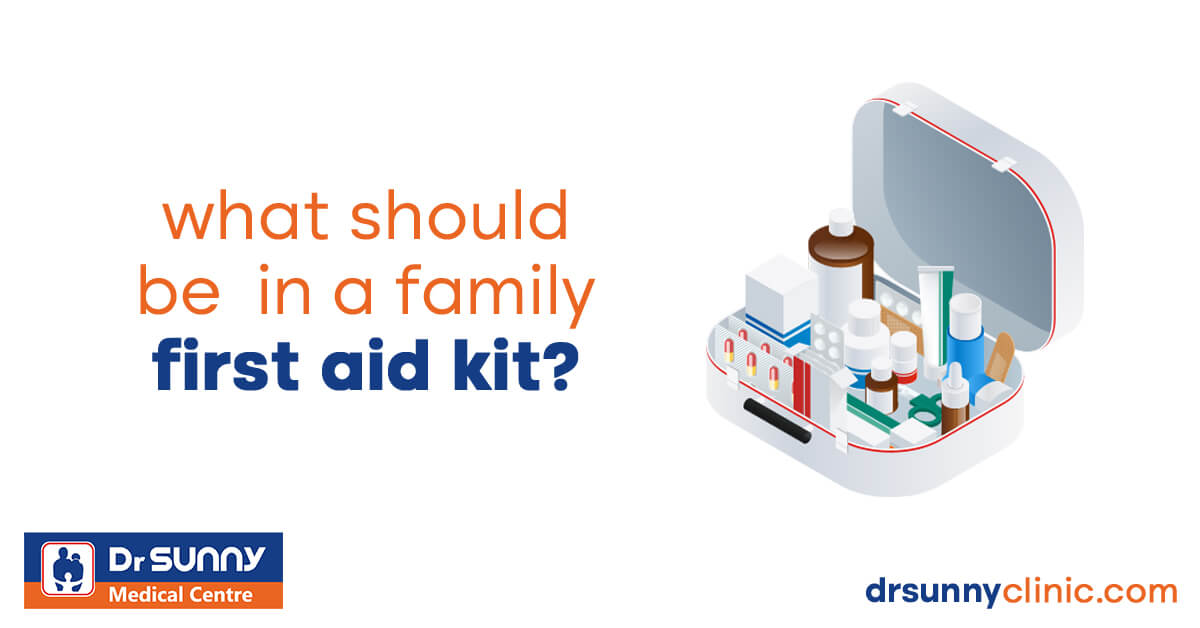
Accidents and injuries can happen anytime and anywhere, especially when you have children. Having a well-stocked family first aid kit can help you manage minor injuries and illnesses at home, on vacation, or in an emergency situation. In this blog post, we will discuss what should be in a family first aid kit.

  1. Bandages: Various sizes of adhesive bandages or plasters, waterproof bandages, and blister pads are essential for covering small cuts and scrapes.
  2. Gauze pads and rolls: These are useful for covering larger wounds and stopping bleeding.
  3. Adhesive tape: This can be used to secure bandages and gauze in place.
  4. Antiseptic wipes and ointment: These are important for cleaning and disinfecting wounds to prevent infection.
  5. Pain relievers: Over-the-counter pain relievers such as acetaminophen or ibuprofen can help relieve minor pain and reduce fever.
  6. Thermometer: A digital thermometer can help you monitor your family’s temperature and identify if someone has a fever.
  7. Scissors and tweezers: These can be used to cut tape or gauze, remove splinters, and extract foreign objects.
  8. Disposable gloves: Gloves are essential for preventing the spread of infection, especially when dealing with open wounds.
  9. Instant ice pack: This can be used to reduce swelling and relieve pain in case of injuries such as sprains or bruises.
  10. Emergency contact information: It is important to have a list of emergency contacts including your family doctor, hospital, and poison control center.
  11. First aid manual: A comprehensive first aid manual can provide guidance on how to treat various injuries and illnesses.

It is important to regularly check your family first aid kit and replace any expired or used items. Store the kit in a cool, dry place out of reach of children, but easily accessible in case of an emergency.

In addition to having a well-stocked first aid kit, it is important to learn basic first aid skills such as how to perform CPR, stop bleeding, and treat burns. These skills can help you act quickly and confidently in an emergency situation.

Having a family first aid kit is an important step in ensuring your family’s health and safety. By including the essential items listed above and regularly checking and restocking your kit, you can be prepared for any minor injuries or emergencies that may arise.


Boost Your Child’s Heart Health: The Role of Exercise and Nutrition

Boost Your Child’s Heart Health: The Role of Exercise and Nutrition

Heart health is crucial for the overall well-being of your child. By promoting healthy habits at an early age, you can help your child develop a strong and healthy heart. Exercise and nutrition are two key factors that play an essential role in supporting heart health in children.

Exercise is vital for a child’s heart health as it helps improve cardiovascular fitness and reduce the risk of heart disease. Encourage your child to engage in physical activities such as running, swimming, cycling, or playing sports. Aim for at least one hour of moderate to vigorous exercise daily. You can make it fun by involving the whole family in activities like hiking, dancing, or playing games.

Along with exercise, proper nutrition is essential for maintaining a healthy heart. Encourage your child to eat a balanced diet rich in fruits, vegetables, whole grains, lean proteins, and healthy fats. Avoid foods high in saturated and trans fats, sodium, and added sugars, as they can contribute to heart disease. Instead, opt for nutritious snacks such as fresh fruits, nuts, and seeds.

Regular check-ups with a pediatrician can help identify any potential heart health issues and provide guidance on maintaining a healthy heart. If you have concerns about your child’s heart health, don’t hesitate to consult with our pediatrician.

By incorporating these healthy habits into your child’s routine, you can help support their heart health and set them up for a lifetime of good health.

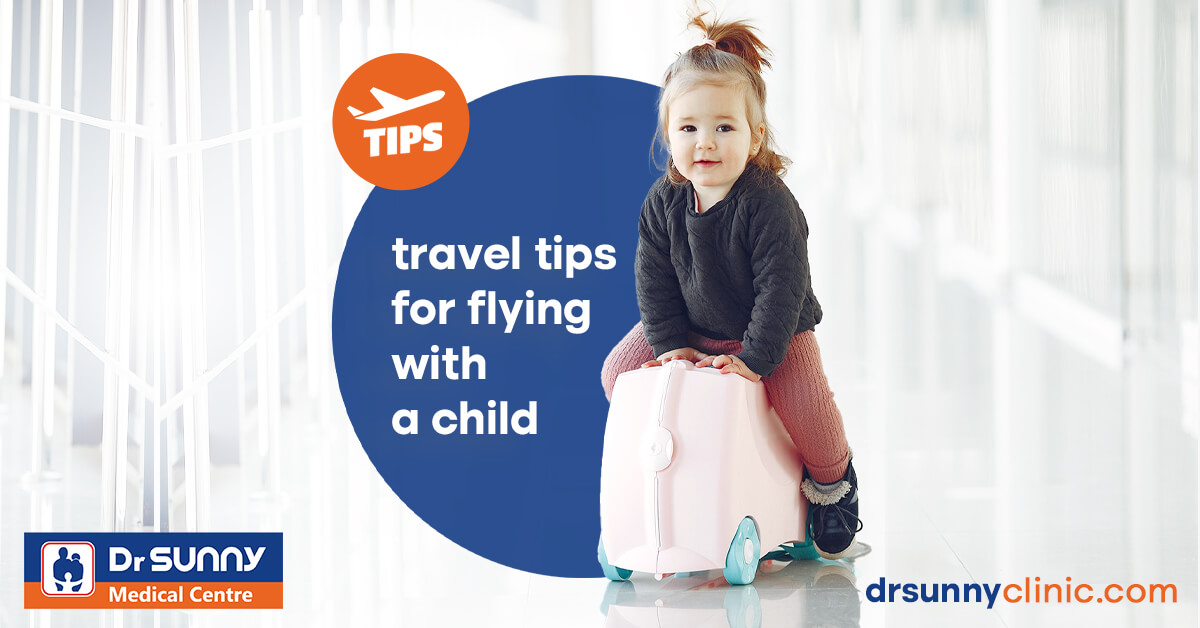
Travel Tips for Flying with a Child

Travel Tips for Flying with a Child blog

Traveling with a child can be stressful, especially if you’re flying. But with the right preparation, you can make the experience much smoother and enjoyable for both you and your child. Here are some travel tips for flying with a child:

✓ Book a direct flight: Try to book a direct flight if possible, as layovers and connecting flights can be tiring and stressful for children.

✓ Choose the right seats: When booking your flight, try to choose seats that are near the front of the plane or the emergency exit rows. These seats tend to have more legroom and space, which can be helpful when traveling with a child.

✓ Pack wisely: Make sure you pack all the essentials for your child, including snacks, toys, books, and extra clothes. Also, consider packing a small pillow and blanket to make your child more comfortable during the flight.

✓ Check-in early: Arrive at the airport early to allow for plenty of time to check-in, go through security, and get settled before your flight.

✓ Be prepared for takeoff and landing: Make sure you have gum or a pacifier for your child to help with ear pressure during takeoff and landing. Also, consider bringing a sippy cup or bottle for your child to drink from during the flight.

✓ Keep your child entertained: Bring plenty of entertainment options for your child, including books, toys, and electronic devices. You can also download movies or TV shows for your child to watch during the flight.

By following these travel tips, you can make flying with a child a much more enjoyable experience for both you and your little one.

Parenting Teens in the Age of Social Media

Parenting Teens in the Age of Social Media

Parenting Teens in the Age of Social Media

Parenting teens in the age of social media can be a difficult task, especially given the impact social media has on young people today. With the prevalence of smartphones and internet access, teens are exposed to a constant stream of information, often with images and messages that can harm their mental health and well-being.

One of the most important things parents can do is set clear boundaries and rules for social media use. This includes setting screen time limits, monitoring activity, and having open and honest conversations about the risks and benefits of social media.

It’s also important to encourage positive behaviors online, such as promoting kindness & empathy and discourage negative behaviors such as cyberbullying and online harassment.

Another important aspect of parenting teens in the age of social media is being aware of the apps and platforms they are using, as well as staying up to date on the issues concerning social media use. This can help parents better understand their teen’s point of view and provide guidance and support as needed.

In the age of social media, the goal of parenting teens is to help them develop a healthy and balanced relationship with technology while also promoting their overall well-being and safety. Parents can help their teens navigate the challenges and opportunities of social media in a positive and constructive way with the right guidance and support.

FAQ: Childhood Vaccines and Immunizations

FAQ: Childhood Vaccines and Immunizations

Childhood vaccines and immunizations are essential for protecting children from infectious diseases. Here are some frequently asked questions about childhood vaccines:

What are childhood vaccines?

Childhood vaccines are immunizations given to children to protect them from infectious diseases such as measles, polio, and chickenpox. By stimulating your body’s natural defenses, they prepare your body to fight the disease more quickly and effectively.

Are vaccines safe?

Yes, vaccines are safe. The vaccines that are given to children go through rigorous testing and are closely monitored for any adverse effects. The side effects that can occur are usually mild and short-lived, such as a sore arm or a mild fever.

When should my child receive vaccines?

The American Academy of Pediatrics (AAP) recommends that children receive vaccines according to a specific schedule, which starts at birth and continues through adolescence. It is important to follow this schedule to ensure that your child is protected from infectious diseases.

What if my child misses a vaccine?

If your child misses a vaccine, it is important to catch up as soon as possible. Your child’s Pediatrician can help you determine which vaccines your child needs and when they should receive them.

What are some common childhood vaccines?

Some common childhood vaccines include the MMR vaccine (measles, mumps, and rubella), the DTaP vaccine (diphtheria, tetanus, and pertussis), and the flu vaccine.

Are there any reasons why a child should not receive a vaccine?

There are some medical conditions that may prevent a child from receiving certain vaccines. Your child’s doctor can help you determine if there are any reasons why your child should not receive a particular vaccine.

Schedule a consultation with our pediatrician to discuss your child’s vaccination plan or the immunization schedule and ensure they receive the necessary protection against infectious diseases.

Recognizing and Supporting Healthy Brain Development in Children

Recognizing and Supporting Healthy Brain Development in Children

As parents, one of our primary concerns is the healthy development of our children’s brains. The brain plays a vital role in our physical, emotional, and cognitive well-being, and early childhood is a critical period for brain development. Here are some ways to recognize and support healthy brain development in children:

Provide a safe and nurturing environment: Children need a secure and predictable environment to develop optimally. Consistent routines, positive relationships with caregivers, and a stable home environment can help promote healthy brain development.

Encourage healthy habits: Nutrition and physical activity play important roles in brain development. A balanced and nutritious diet, along with plenty of physical activity, can help support brain function and cognitive development.

Stimulate the senses: The brain develops through sensory experiences. Encourage your child to explore their surroundings, engage in creative play, and experiment with different textures, sounds, and smells.

Foster social connections: Social interaction helps develop social skills, language, and emotional regulation. Encourage your child to engage in play with peers, participate in group activities, and build positive relationships with caregivers.

Read and engage in stimulating activities: Reading to your child and engaging in age-appropriate stimulating activities can help develop language skills, cognitive function, and creativity.

By recognizing and supporting healthy brain development in children, we can help set the foundation for their lifelong health and success.

If you want to learn more about recognizing and supporting healthy brain development in children, consult with our experienced and knowledgeable pediatrician at Dr. Sunny Medical Centre. We are committed to providing high-quality care and support to ensure your child’s healthy growth and development.

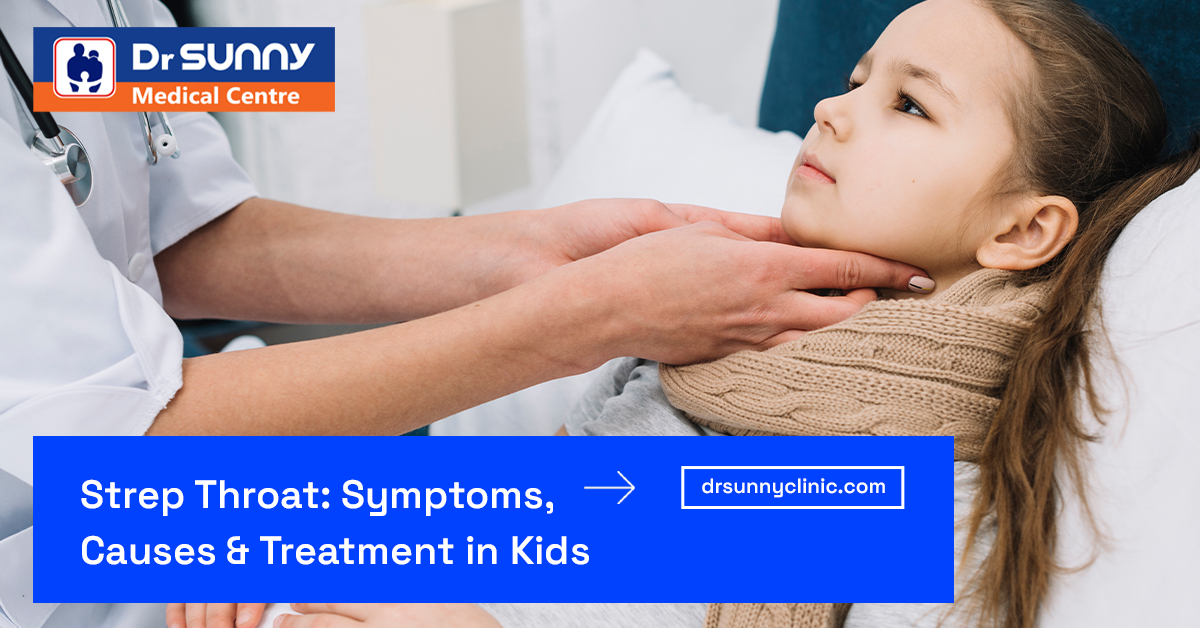
Strep Throat: Symptoms, Causes & Treatment in Kids

Strep Throat: Symptoms, Causes & Treatment in Kids

Strep throat is a bacterial infection that commonly affects children between the ages of 5 and 15 years. It is caused by the Streptococcus bacteria and can be easily spread through contact with an infected person’s saliva or nasal secretions.

Symptoms of strep throat in kids can include a sore throat, fever, swollen lymph nodes, difficulty swallowing, and red or white spots on the tonsils or back of the throat. If your child is experiencing any of these symptoms, it’s important to take them to a pediatrician for a proper diagnosis and treatment.

The treatment for strep throat typically involves a course of antibiotics to kill the bacteria causing the infection. It’s important for children to complete the entire course of antibiotics as prescribed, even if they start feeling better before the medication is finished. This helps to ensure that all of the bacteria are eliminated from the body and reduces the risk of complications.

In addition to antibiotics, there are some things you can do at home to help your child feel more comfortable while they recover from strep throat. Encourage your child to rest, drink plenty of fluids, and eat soft, soothing foods like soup or mashed potatoes.

If your child is showing symptoms of strep throat, it is important to seek medical attention from a qualified pediatrician. At our Dr. Sunny Medical Centre, our experienced pediatrician is available to provide comprehensive care for your child’s health. Contact us today to schedule a consultation and ensure that your child receives the care they need to recover quickly and fully.


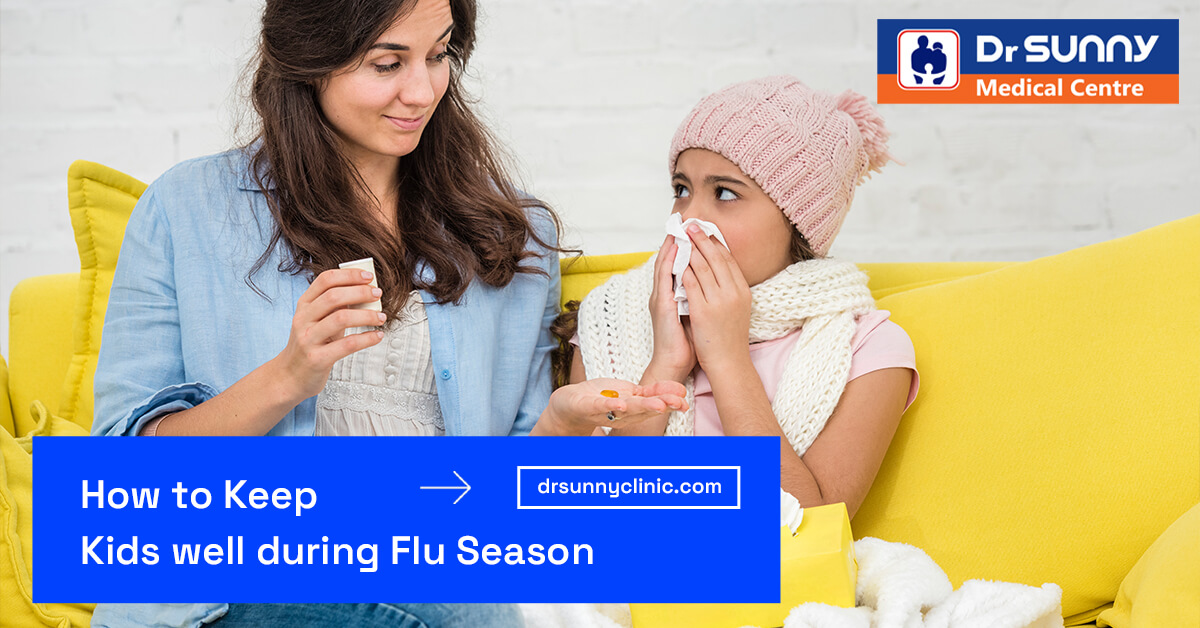
How to Keep Kids well during Flu Season

How To Keep Kids Well During Flu Season

Flu season can be especially challenging for children, as they are more susceptible to catching the virus and may have a harder time recovering. However, there are several steps parents can take to help keep their kids well during flu season:

  1. Get a flu shot: The best way to protect against the flu is to get a flu shot. The Centers for Disease Control and Prevention (CDC) recommends that everyone 6 months of age and older get a flu shot every year.
  2. Practice good hygiene: Encourage children to wash their hands frequently with soap and water, especially after being in a public place or coming into contact with someone who is sick. Teaching kids to cover their mouths and noses when they cough or sneeze can also help prevent the spread of germs.
  3. Keep kids away from sick people: If your child has been exposed to someone with the flu, keep them home from school or daycare until they are no longer contagious.
  4. Keep kids at home if they are sick: If your child has flu-like symptoms, keep them home from school or daycare until they are no longer contagious.
  5. Keep your child healthy: Help your child to maintain a healthy lifestyle by providing a balanced diet, enough sleep and regular exercise.
  6. Seek medical attention: If your child is showing symptoms of the flu, such as fever, coughing, and body aches, it’s important to seek medical attention as soon as possible. Early treatment can help prevent complications and make recovery faster.

It is always best to consult with your pediatrician for personalized advice and recommendations for your child.

Common Rashes in Children

Common Rashes in Children

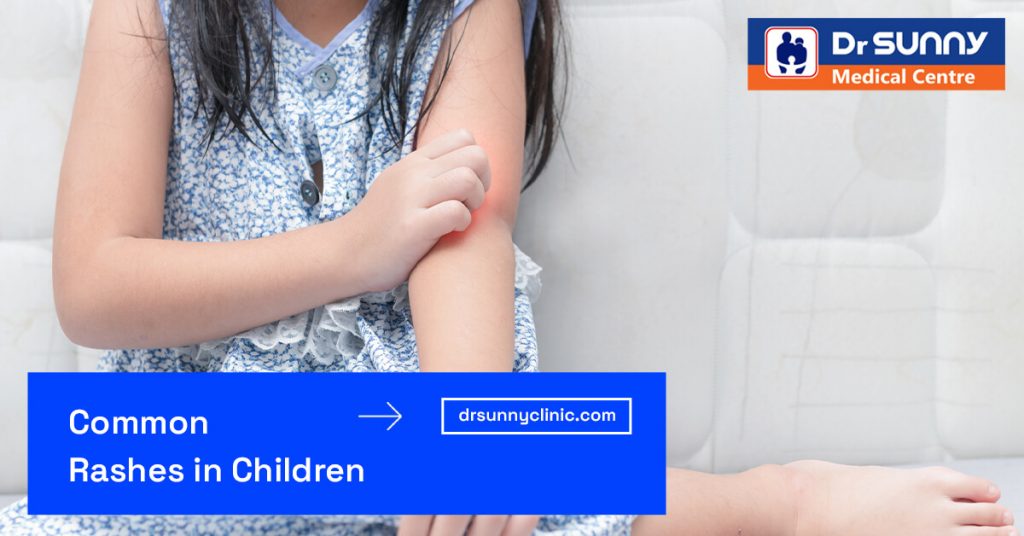
As a parent you might want a flawless skin for your child but very often young children and babies develop rashes on their skin. Most of the rashes are caused by viral infections and are typically harmless and usually go away on their own.  The rashes can be differentiated based on their appearance, location and associated symptoms. If you want to know more about the common rashes and the symptoms occurring in children keep reading this blog.

Most Common Rashes
Atopic dermatitis

It is a common childhood inflammatory skin disease. This chronic skin disease is relapsing in nature. Atopic dermatitis typically presents in infancy and early childhood and may persist into adulthood. Children may present with a variety of skin changes, including erythematous plaques and papules, excoriations, severely dry skin, scaling, and vesicular lesions. In few cases despite good skin care practices, topical corticosteroids are usually needed during flare-ups.

Roseola

It is mostly caused by human herpes virus 6 and affects infants and children younger than three years. It is often accompanied with symptoms like abrupt onset of high fever lasting one to five days. During this period, children often appear well with no focal clinical signs except possible mild cough or mild diarrhea.

Impetigo

It is a primary or secondary bacterial infection of the epidermis of the skin. Primary infections occur when bacteria enter breaks in the skin, whereas secondary infections develop at the site of an existing dermatosis.

Rashes which call for immediate medical attention
  • If your child has a fever and a rash that does not turn white (blanch) when pressed or they are very unwell, seek emergency medical care as it may be a sign of Meningococcal infection (or meningococcal disease) is caused by a bacteria called meningococcus.
  • If you notice a distinctive rash along with high fever in your child it may be a sign of measles. Measles is contagious and can be serious.