
Why Should You Keep Teens Active During the Summer

Keep Teens Active During the Summer blog

Why Should You Keep Teens Active During the Summer

Adolescents eagerly look forward to summer vacations to enjoy the much-needed break, but as parents it is your responsibility to make sure that they do not spend the whole vacation just sleeping or sitting in front of the screens.

Ensuring that teens stay active during the summer is imperative for their physical as well as mental health. Regular physical activity is the key to prevent chronic diseases such as obesity, type 2 diabetes, and heart disease, as well as improving mood, reducing stress, and boosting cognitive function.

Wondering how to keep your teens active this summer? Here are some tips that can prove helpful:

Outdoor activities: Summer is the perfect time for fun outdoor activities such as swimming, hiking, biking, and playing various sports. Talk to your teen to figure out what outdoor activities interest them to explore and develop new skills. When they find something they love, they are more likely to stick with it.

Ask them to remain physically active: Help your teen find a sport or activity that they enjoy. It can be anything from dance to martial arts to rock climbing.

Establish a routine: Having a set time for physical activity can help make it a habit that your teens may enjoy even after the summer break is over.

Make time for family outings: Plan family outings that involve physical activity such as going to the beach, hiking, or playing mini golf. This will not only keep your teen active but also help create family bonding time.

Limit screen time: Increased screen times in teens is one of the most common problems that parents complain of. Summer vacation should not turn out to be an excuse for your teen to get more screen time. This can be a challenge, but as parents you should make sure that your teenagers find a balance between screen time and physical activity.

Make them participate in community events: Look for community events such as charity walks or runs, outdoor concerts, or festivals that involve physical activity. This can be a great way to get your teen involved in their community while staying active.

Make sure they eat healthy: Eating a healthy and nutritious diet will help your teen not to feel sluggish during their vacations.

The Bottom Line

Regular physical activity can help reduce stress, improve mood, and boost self-esteem. By encouraging your teens to stay active during the summer, you are setting them up for a lifetime of healthy habits.

If you feel like your teen is having a hard time or is under stress it is better to consult an expert in adolescent health care. You can call us today to book an appointment for enhancing your teens overall health.
Understanding Fever in Children

Understanding Fever in Children

Understanding Fever in Children

Fever is a common health issue faced by children and is usually a sign that their body is fighting off an infection. It is important for parents and childcare professionals to understand fever in children and how to manage it aptly. To make things simpler for you, in this blog post we will explain a few points that would help you to understand this common symptom faced by children.

What is considered a fever?

In children, a rectal temperature of 100.4°F (38°C) or higher is generally considered a fever. However, the definition of fever may vary depending on the method used to measure temperature (e.g., oral, axillary, ear).

Causes of fever

Fever can be caused by various factors, including viral or bacterial infections such as the common cold, flu, or ear infections. Other causes may include immunizations, teething, environmental factors, or underlying medical conditions.

Symptoms accompanying fever

Fever itself is not an illness but rather a symptom of an underlying condition. Children with fever may also experience other symptoms like cough, sore throat, runny nose, headache, muscle aches, fatigue, or loss of appetite.

How to measure temperature

There are various methods to measure a child’s temperature, including rectal, oral, axillary (armpit), and tympanic (ear) measurements. For infants and young children, rectal temperature is generally considered the most accurate.

Importance of monitoring

It’s essential to monitor a child’s temperature regularly during a fever. This helps determine if the fever is getting better or worse and if medical attention is necessary. Keep a record of the temperature readings and any other symptoms to share with a pediatrician if needed.

When to seek medical care?

In most cases, fever itself is not a cause for concern. However, certain situations may require medical attention, including:

  • Infants under 3 months old with a rectal temperature of 100.4°F (38°C) or higher.
  • Persistent fever lasting more than a few days.
  • High fever (103°F or higher) or fever that rapidly spikes.
  • Signs of dehydration, such as decreased urination, dry mouth, or sunken eyes.
  • Severe headache, neck stiffness, or sensitivity to light.
  • Difficulty breathing or rapid breathing.
  • Seizures or convulsions.

Home care for fever

  • Encourage your child to rest and maintain a comfortable room temperature.
  • Ensure adequate fluid intake to prevent dehydration.
  • Dress the child in light clothing and use a light blanket if necessary.
  • Always consult a pediatrician before giving any medication to the child.
  • Provide a cool sponge bath to help lower the child’s temperature if they are uncomfortable.
  • Keep the child’s environment clean and maintain good hygiene practices to prevent the spread of infections.

Take action

If you have any concerns about your child’s fever or their overall condition, it is always best to consult a children’s doctor for proper evaluation and guidance. If your child has a temperature, book an appointment with us today.

If you are a working parent and leave your baby with a nanny or nurse make sure they continuously monitor the baby’s temperature. If you choose a nanny from Maika they are well trained in giving the best possible care. For more details contact us right now.

Understanding Cough in Children

Understanding Cough in Children

Understanding Cough in Children

Cough in children can be a cause of concern for many parents. It is usually a sign that your child’s body is trying to get rid of an irritant. The most common cause of cough is respiratory tract infection, such as cold.

Cough in children can be broadly divided into — productive and non-productive. Productive coughs bring up mucus from the chest and can sound irritated, harsh, barking, or whooping. On the other hand, non-productive coughs do not bring up any mucus and can be caused by irritation in the airways.

What are the different kinds of cough?

Getting yourself familiar with various kinds of cough prevalent in children, you can get a better idea on how to handle them. Keep reading to know more:

Cough with wheezing: If your child makes a wheezing sound while breathing it may signal that their lower airways in the lungs are infected. It can also mean your child has Bronchiolitis, a common viral chest infection in children under 12 months of age. It can start like a cold or flu, but the cough persists and gets worse with coughing spasms which can last weeks. It is often serious in babies which is why vaccination is so important.

Croup: It is a viral illness that causes inflammation in the larynx and trachea, can cause a barking cough in kids. It is usually accompanied by a runny nose, sore throat, watery eyes, and poor appetite. Treatment includes saline nose drops, a cool-mist humidifier, and over-the-counter cold medicine made just for children (but consult with a pharmacist or pediatrician first).

Whooping cough: It is an infection of the airways caused by the bacteria Bordetella pertussis. Kids with pertussis will have spells of back-to-back coughs without breathing in between. At the end of the coughing, they’ll take a deep breath in that makes a “whooping” sound. Other symptoms are a runny nose, sneezing, mild cough, and a low-grade fever.

Coughs with fever: Coughs with a fever of 102°F (39°C) or higher can sometimes be due to pneumonia, especially if a child is weak and breathing fast. In this case, call your doctor right away.

Lasting coughs:  Coughs caused by colds due to viruses can last weeks, especially if a child has one cold right after another. Asthma, allergies, or a chronic infection in the sinuses or airways also might cause lasting coughs. If your child still has a cough after 3 weeks, call your doctor.

When to see a doctor

It is important to seek medical attention if your child experiences wheezing (a high-pitched purring or whistling sound when breathing out), has trouble breathing, complains of pain after coughing, or if their lips or face have turned bluish during coughing. Other signs that warrant a visit to the doctor include retractions (when the ribs are pulling in with each breath) and a temperature above 38.5 Celsius.

If your child’s cough is a concern for you, it’s important that you consult our pediatrician for the best guidance. Get in touch with us and book your appointment as soon as possible.

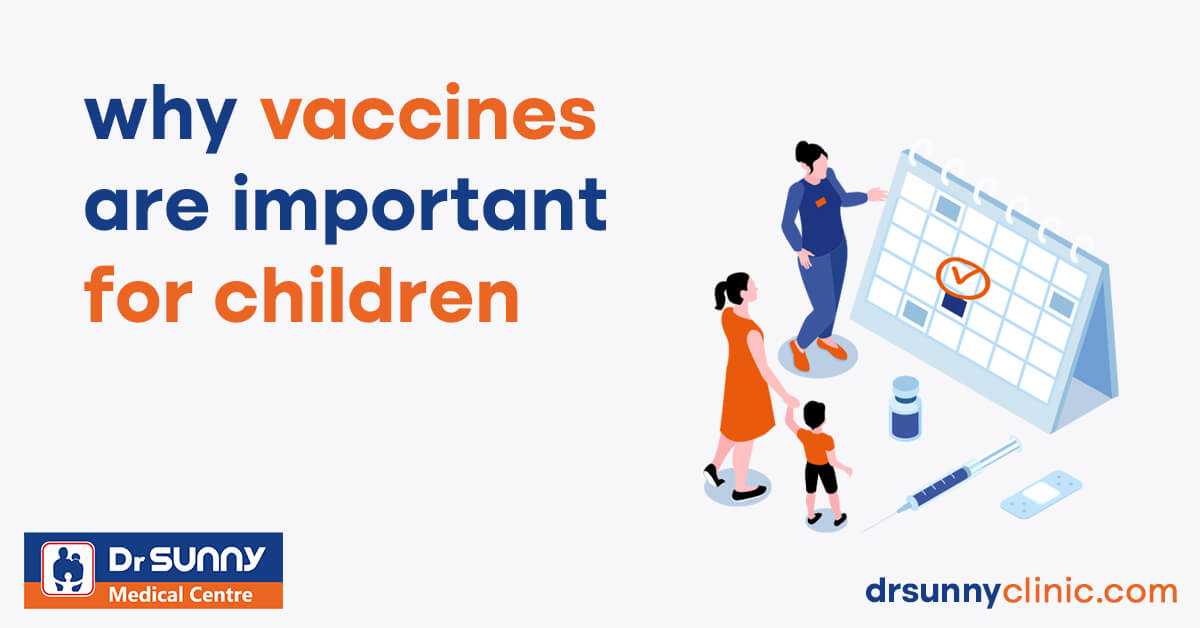
Why Vaccines Are Important For Children?

Why Vaccines Are Important For Children B

Why Vaccines Are Important For Children?

Children are exposed to thousands of germs every day and as their immune system is not fully developed at birth, they need to be protected against several viruses and bacteria with the help of vaccines. Though most of the parents follow the recommended immunization schedule but still many new parents are clueless about the importance of vaccines. If you are also one of those parents this post is for you.

Getting your child vaccinated can benefit in the following ways:

Disease prevention: Vaccines protect children from various infectious diseases that can be serious, disabling, or even life-threatening. Vaccination has been instrumental in significantly reducing the incidence of diseases like polio, measles, mumps, rubella, diphtheria, pertussis (whooping cough), tetanus, hepatitis, and more.

Building immunity: Vaccines work by stimulating the body’s immune system to recognize and remember specific pathogens, such as viruses or bacteria. By introducing a harmless or weakened form of the pathogen, vaccines help the immune system develop a defense mechanism. This enables the body to fight off the actual disease more effectively if exposed to it later in life.

Protecting vulnerable populations: Children are more susceptible to certain diseases due to their developing immune systems. Vaccinating children helps create herd immunity, a situation where a large portion of the population is immunized against a particular disease. Herd immunity not only protects those who are vaccinated but also safeguards individuals who cannot be vaccinated due to age, allergies, or underlying health conditions.

Prevention of complications: Many vaccine-preventable diseases can lead to severe complications and long-term health issues. For example, measles can cause pneumonia, encephalitis (brain inflammation), and even death. By vaccinating children, the risk of such complications is significantly reduced, ensuring their overall well-being.

School and community participation: In many countries, vaccination is a requirement for school admission. By ensuring that children receive the necessary vaccinations, parents can avoid any disruption in their education and allow them to participate fully in school activities.

If you want to consult a pediatrician about the recommended immunization schedule you can book an appointment with our expert pediatrician and ensure that your kids receive the appropriate vaccines at the right time.


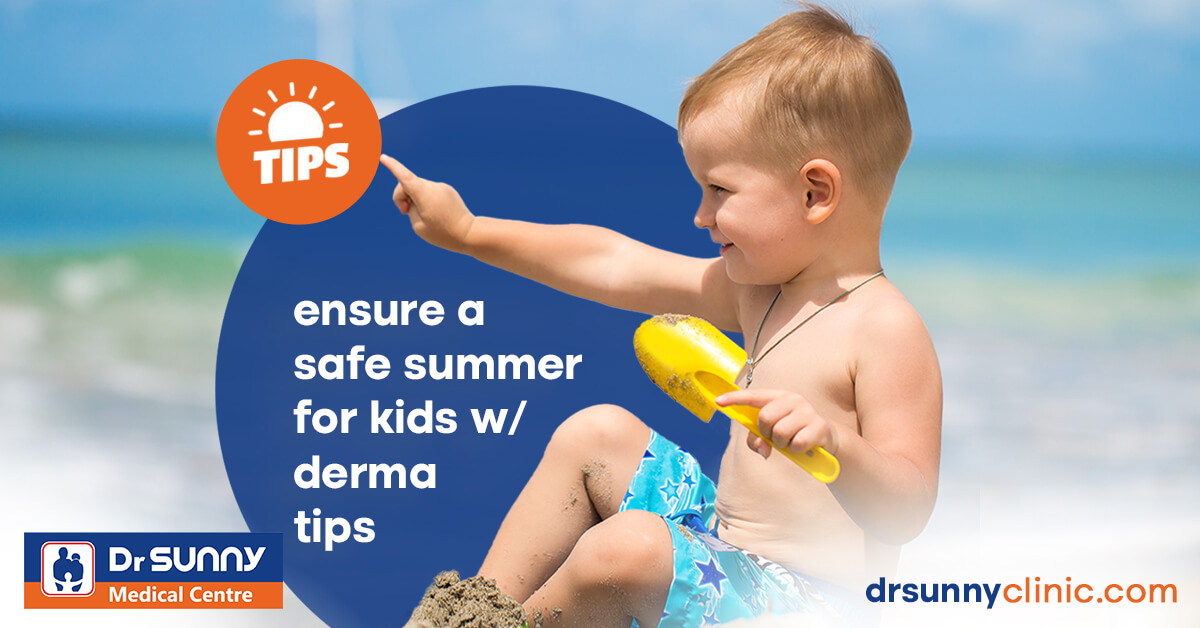
Ensure a Safe Summer for Kids with Dermatologist’s Tips

Ensure a Safe Summer for Kids with Dermatologist's Tips

Ensure a Safe Summer for Kids with Dermatologist’s Tips

Protecting your skin against the blazing sun is important for people of all ages. When it comes to children, it’s essential to take extra precautions to ensure their safety in the sun. Here are a few tips from our expert dermatologist that can help your children to have a safe summer:

Choose child-friendly sunscreen: Look for sunscreens specifically formulated for children. These are often gentler on their sensitive skin and less likely to cause irritation. Make sure the sunscreen offers broad-spectrum protection and has a high SPF.

Cover up: Dress your child in lightweight, loose-fitting clothing that covers their arms and legs. Use hats with wide brims to protect their face, neck, and ears. Consider clothing with built-in UPF (Ultraviolet Protection Factor) for added sun protection.

Limit sun exposure during peak hours: Avoid having your child in direct sunlight during the peak hours when the sun’s rays are strongest. Plan outdoor activities in the early morning or late afternoon when the sun is less intense.

Provide shade: Set up a shaded area where your child can play and take breaks from the sun. This can be under a beach umbrella, a pop-up tent, or a tree. Encourage them to seek shade frequently to minimize sun exposure.

Encourage hydration: Children can easily become dehydrated in the sun, so remind them to drink water regularly. If you are not around and opting for babysitting services inform the childcare provider also to give them water at regular intervals.

Be a role model: Set a good example by practicing sun safety yourself. Children are more likely to follow suit when they see their parents or childcare nurses or nannies taking precautions in the sun.

Educate about sun safety: Teach your child about the importance of sun protection. Explain why they need to wear sunscreen, hats, and sunglasses, and why it’s necessary to seek shade and take breaks from the sun. Help them develop good sun safety habits from an early age.

Remember, it’s crucial to combine fun with sun safety to ensure your child’s well-being during outdoor activities. By following these dermatologist-approved guidelines, you can enjoy the sun while keeping your child’s skin protected.

If your child has developed any skin problems, you can consult our dermatologist who will guide you to get the best possible treatment. In case your child is suffering from illnesses caused due to spending too much time under the sun you can contact our pediatrician. Book your appointment now to get the best possible treatment for your little one.

Taking Your Newborn to the Pediatrician: How Often and What to Expect

Taking Your Newborn to the Pediatrician

Taking Your Newborn to the Pediatrician: How Often and What to Expect

As new parents you will make multiple visits to the pediatrician for the first two years, for various purposes including immunization, well-baby visits, conducting physical examinations to track developmental milestones and may be when your baby falls sick.

For all these reasons it becomes super imperative for parents to know how often they need to visit the children’s doctor and what to expect from these visits. If you are wondering where to get the overview of your little one’s check-ups and appointments, keep reading this post.

The First Doctor Visit after your Child’s Birth (Well Baby Visits)

As a new parent you will make the first visit to your baby’s doctor within 3-5 days of your newborn’s arrival. Here are a few things that the doctor would check during the first visit.

  • Do a complete medical exam which will include measuring your baby’s weight, length, and head circumference.
  • The doctor will ask how you’re doing with the new baby and how your baby is eating and sleeping.
  • The doctor will check your baby’s reflexes, vision, and hearing.

Immunization Visits

Immunization is the best way to protect children from getting several diseases. Your child will need numerous vaccinations to achieve immunity against several viral infections. Here is a list of recommended vaccines according to the age at which they should be administered.

At Birth: Within 24 hours of birth your child will receive BCG and Hepatitis B injection.

Two Months: DtaP, Hib, Hepatitis B, IPV, PCV

Four Months: DPT, Hib, OPV, PCV

Six Months: DPT, Hib, Hepatitis B, OPV, PCV

12 months: MMR, Varicella

5-6 years: DPT, OPV, MMR, Varicella

Visiting the Doctor if Your Child is Sick Or not Meeting Growth Milestones

Newborns may often face health issues such as stomach aches or a high temperature in such cases you need to make a visit to your pediatrician.  You can also visit your child’s doctor if you or your child care professional feel your child is not hitting age-appropriate milestones. It may be a sign of an underlying problem.

Choose the Best Newborn Care

Find a pediatrician who can understand your concern and someone who has ample experience to guide you properly on this journey of parenthood. If you are looking for the best pediatrician in Sharjah book an appointment with us today. If you need help with taking care of your newborn you need not go looking somewhere else, as we provide the best nurses and nannies for your little one at Maika.

Heart Health & High Cholesterol in Kids

Heart Health & High Cholesterol in Kids

Heart Health & High Cholesterol in Kids

It’s a common belief that high cholesterol is a condition that only affects adults, but the condition doesn’t discriminate by age. High cholesterol can affect young children and having more than optimal levels can increase the risk of cardiovascular diseases.

What is Cholesterol?

Cholesterol is a type of fat in the blood stream that is necessary for cells in the body to function at its optimal level. Low Density Lipoprotein (LDL-C) or ‘bad’ cholesterol is the kind that can build up in the arteries and can cause heart attacks and strokes. High Density Lipoprotein (HDL-C) or ‘good’ cholesterol helps in lowering LDL by attaching to it and carrying it to the liver where the body can get rid of it.

Causes of High Cholesterol

Higher levels of cholesterol can be caused by eating food with too much saturated fat or cholesterol in it. In a few cases it can also be caused by hypercholesterolemia, an inherited disorder where the body is unable to remove low density lipoprotein (“bad” cholesterol).

How to Treat High Cholesterol?

If your child gets diagnosed with high cholesterol you might be wondering what’s the cure for the condition. Here is a list of various steps that you can take to get your child’s cholesterol levels back to the acceptable range.

Just like how an adult will be advised to adapt to a few lifestyle changes to lower the increased cholesterol levels, the kids also need to make a few lifestyle changes to lower the cholesterol levels.

Eat Healthy:

The most important lifestyle change that needs to be made is to eat a healthy diet. Work with your doctor or a dietitian to get the best dietary advice, so that your child can get proper nutrition while trying to lower cholesterol.

Stay Active: 

Children often learn by observing their parents and in order to make your kids stay active indulge with them in some sort of physical activity like playing sports together or going for a walk together.

If you think your child needs an assessment or have any further queries you can book an appointment with our Pediatrician.

If you need a diagnostic blood test, you can avail our health2home service that provides blood test, lipid profile test. Our nurses will reach you and give you the best service within the comfort of your home.

How to Support Your Child’s Mental Health

How to Support Your Childs Mental Health blog

How to Support Your Child’s Mental Health

Parenting is a tough job; it becomes even tougher if your child is suffering from mental health issues like anxiety or depression. Recognizing mental health issues in children and adolescents can be overwhelming for any parent. If you are concerned about your child’s or teenagers’ mental well being here are a few tips that may help.

  1. Initiate Conversation

In most cases communication gap with your children can be the root cause of your children not approaching for help. Creating a safe space for the children to express what they feel about different things should be the top priority for you as a parent. There are certain things that you need to avoid while having a conversation with your children such as being judgmental when they are freely expressing their feelings about certain things.

  1. Be a Good Listener

When your child starts opening up to you don’t just go in rushing with answers. Being all ears to them without interrupting them can help a lot.

  1. Act as a Team

Ask your children to help you out with small chores at the house it will make them feel involved and help in better bonding with your children.

  1. Be Patient

Dealing with mental health issues as a child is tough and as a parent always be patient with them while they navigate through this phase in their lives. Rather than apportioning blame, try to cheer them up by letting them know about the positive things that are happening around them.

  1. Establish Healthy Habits

Physical health and mental health go hand in hand, that is why it is imperative that you introduce your child to healthy lifestyle practices. Healthy habits should include a proper diet, exercise, and a proper sleep schedule.

  1. Reach Out for Help

Remember that your child is not the only one suffering from mental health issues. Mental health issues are more common than you think. You can visit your nearest healthcare center or reach out to a specialist in adolescent health care for professional help.

If you think your child needs professional help to support his/her mental health you can book an appointment with our expert Pediatrician in adolescent health care. Call us now to book a slot.

Are you getting enough Vitamin D?

vitamin d test

Are you getting enough Vitamin D?

Are you getting enough Vitamin D to support your overall wellness? Vitamin D is an essential nutrient for healthy bones, teeth, and overall well-being. Often referred to as the “sunshine vitamin,” it is produced in the skin when exposed to sunlight. However, despite its importance, many people are deficient in Vitamin D.

One of the primary factors that can lead to a Vitamin D deficiency is insufficient exposure to sunlight. Those who live in regions with limited sunlight or spend the majority of their time indoors are at a higher risk of deficiency.

Other factors that can contribute to Vitamin D deficiency include age, skin color, and diet. As we age, our bodies become less efficient at producing Vitamin D. Individuals with darker skin tones may also have difficulty producing enough Vitamin D from sunlight. Additionally, those who do not consume enough Vitamin D-rich foods or follow strict vegetarian or vegan diets may also be at risk for deficiency.

Symptoms of Vitamin D deficiency may include fatigue, muscle weakness, bone pain, and a weakened immune system. If left untreated, Vitamin D deficiency can lead to more serious health problems such as osteoporosis and an increased risk of falls and fractures.

Regularly checking your Vitamin D levels through a blood test is the most effective way to ensure you are receiving sufficient amounts. At Dr. Sunny Medical Centre, we offer diagnostic blood tests that can be done in our clinic, making it convenient and easy for you to stay on top of your health. Take control of your well-being and ensure you are getting enough Vitamin D. Contact us today to schedule your blood test and prioritize your health.

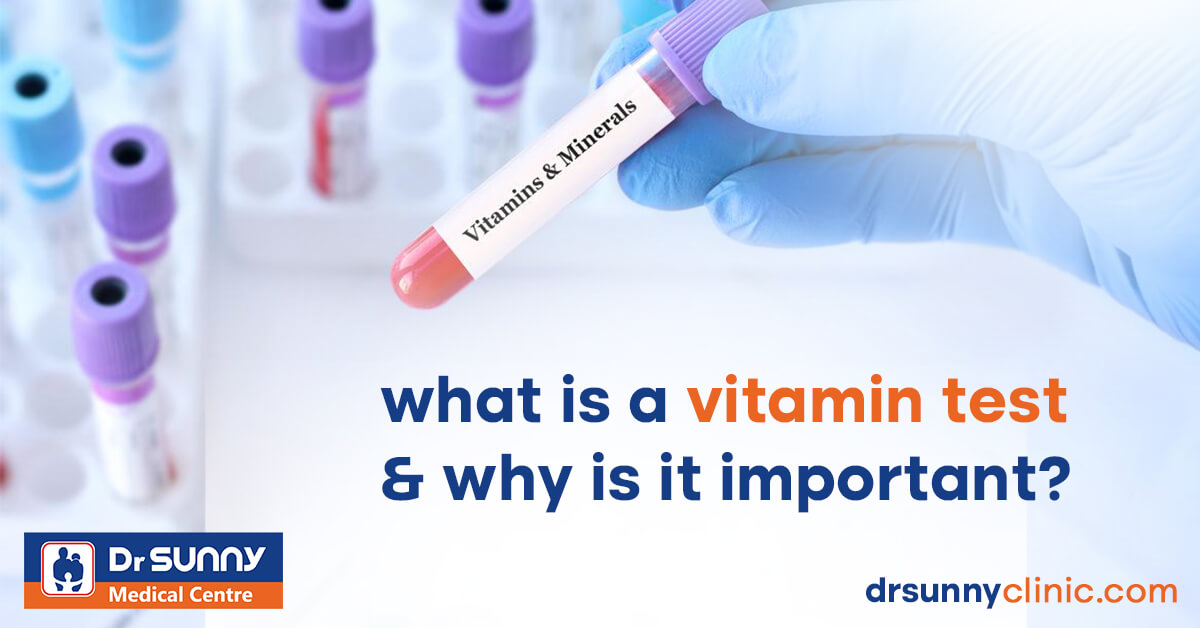
What is a vitamin test and why is it important?

What is a vitamin test and why is it important?

A vitamin test is a type of blood test that measures the levels of various vitamins and minerals in your body. These tests can help determine if you have any deficiencies or excesses in your vitamin and mineral levels, which can affect your overall health and wellbeing. Here’s why a vitamin test is important and what you should know about them.

Why Is A Vitamin Test Important?

Vitamins and minerals play a crucial role in many bodily functions such as growth, immune system function, and bone health. If you have too little or too much of any vitamin or mineral, it can have a negative impact on your health. For example, a lack of vitamin D can lead to bone weakness, while too much iron can lead to iron toxicity.

A vitamin test can help you identify any deficiencies or excesses in your vitamin and mineral levels, allowing you to take corrective measures. For example, if your test shows that you have a vitamin D deficiency, you can take supplements or increase your sun exposure to boost your levels.

What Should You Know About Vitamin Tests?

Vitamin tests are typically done through a simple blood test, and results are usually available within a few days. Most tests check for the levels of essential vitamins such as A, B12, C, D, E, and K, as well as minerals such as iron, calcium, and magnesium.

At Dr. Sunny Medical Centre, we offer comprehensive vitamin tests that can help you identify any deficiencies or excesses in your vitamin and mineral levels. Our team of experienced medical professionals will work with you to understand your results and create a plan to address any deficiencies or excesses.

If you’re concerned about your vitamin and mineral levels, we encourage you to schedule a vitamin test with Dr. Sunny Medical Centre today. By taking proactive steps to monitor and address your vitamin and mineral levels, you can optimize your overall health and wellbeing.