
Simple Steps to a Healthy Heart

Simple Steps to a Healthy Heart

Do you want to start this New Year on a healthy note? If so, you should begin this year by taking care of your heart. Following a few healthy habits can reduce the risk of heart related problems. The most common heart problem is heart failure which is a progressive disease that occurs when the heart muscle becomes weakened and unable to pump blood efficiently to meet the needs of the body.

Earlier only people above 50’s were at the risk of heart attacks but now due to stress and other lifestyle changes heart attacks have become a cause of concern even in people aged below 50. If you want to have a healthy heart following these simple lifestyle changes can prove to be a boon:

Maintain a healthy weight

People who are overweight are more likely develop heart-related problems, even if they have no other risk factors. Regular exercise and healthy eating habits can help reduce your weight.

Eat Healthy

You are what you eat and a healthy lifestyle begins when you start eating healthy. Eating fried food like French fries, fried chicken can be tempting but if you want to stay healthy it is better to eat grilled, baked or steamed food instead of deep-fried food articles. Always remember to add a serving of a fruit or vegetable with each meal, ideally eating five servings of fruits and/or vegetables each day. Choose lean meats, fish and low-fat dairy products.

Stay Active

Keeping your body moving lowers the risk of heart disease. Regular activity can help to lower blood pressure, improve cholesterol levels and maintain a healthy weight. As little as 30 minutes of moderate activity on most days is recommended. Take a walk or find an exercise program that works best for you.


Tips to Help Your Teen Sleep Better

Tips to Help Your Teen Sleep Better

Scrolling through social media pages and texting friends till late night has become a second nature of the teenagers in this internet era. But, all these habits are causing sleep deprivation in teenagers and this in turn is causing long-lasting health issues among them. Healthy sleep is associated with the development of the brain during the growing years of a toddler and it is equally important for the adolescents as well.

Disruption of sleep can have several negative impacts on your child’s mental as well as physical well-being. From affecting their ability to concentrate and perform well in academics to mental health issues including anxiety and depression, all have been linked to poor sleep patterns. For teens above 18, with driving licenses deprivation of sleep can be the cause of increased risk of car accidents.

In this blog we are mentioning a few handy tips to help teenagers sleep better, parents should pay heed to these tips:

Limit Caffeine

Discourage your children from taking energy drinks that contain much higher levels of caffeine than regular tea and coffee.

Ban Use of electronic gadgets in bedroom

Not being able to stay away from social media and other gadgets has been considered as the topmost reason behind irregular sleep patterns in teens. Some research also suggests that light exposure from screens also cause sleep delays. That is why not allowing them to take phones to the bedroom can help your child to get a good sleep.

Discourage afternoon naps

Afternoon naps can make it harder to fall asleep during night and also break up sleep, thus it is advisable to discourage your teens from sleeping during the day.

Create Bedtime Routines

Let your teenager follow a bedtime routine that will help them de-stress as well as get their bodies into sleep mode. Like taking a shower before bed or reading a good book.

Reasons Why Your Child needs Flu Shot

Reasons Why Your Child needs Flu Shot

Some people do not understand that flu can be dangerous and as a result thousands of kids are hospitalized because of it every year and the consequences can be life threatening in some cases. Though it is recommended by pediatricians for kids aged 6 months and above but still many parents are hesitant to take their children to get this extremely beneficial annual vaccine.

The health care providers have always emphasized that flu shots are absolutely safe and protect against viruses. Though there are several myths surrounding the efficacy of the flu shots given to children but pediatricians have always approved of these vaccines. A few reasons why your child needs these flu shots include:

Flu Shots are Safe:

The minimum age for a flu shot recipient is 6 months. There are few conditions that would prevent kids from getting one. For instance if your child has fever, the pediatrician may not recommend the shot. The flu shots can’t make your child sick as they are made with components of inactivated influenza or a weakened virus. The recipients may experience brief soreness and swelling at the injection site and less than 1 percent will experience fever, chills and muscle aches.

Ensures Protection to All:

Getting vaccinated doesn’t just protect your child but it is also helpful in protecting the other vulnerable people in your family and society such as immunocompromised patients and elderly.

Avoid Sick Days at School

Getting a flu shot will help your child by not missing on important days in school and concentrate on learning.

Call Dr. Sunny Medical Centre and schedule an appointment for immunization against flu and secure your child against severe illness and hospitalization.
Telephone: 06 566 8966

Helping Children During Immunizations

Helping Children During Immunizations

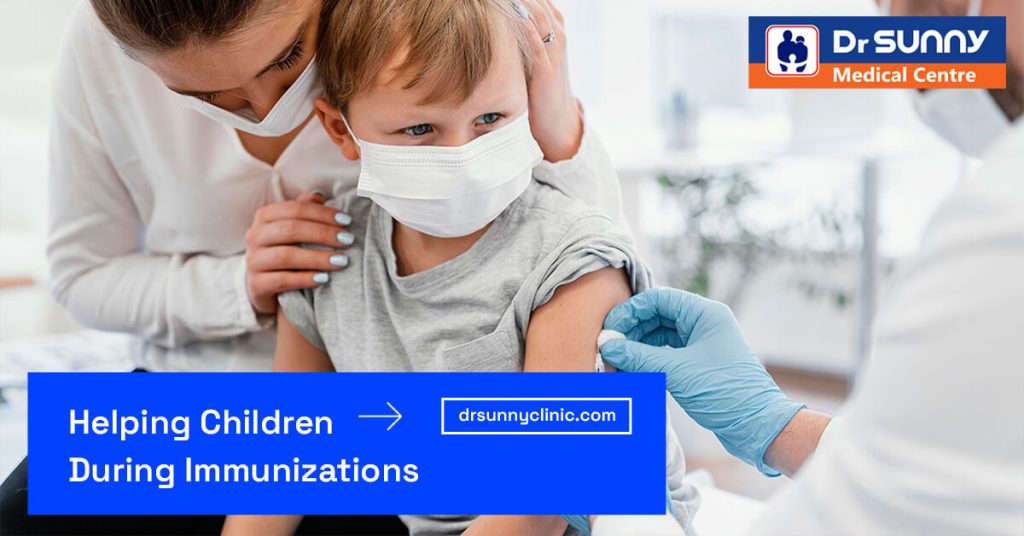
Immunization is an extremely important part of your child’s medical care. Vaccinations protect your children from several illnesses. Though we know how crucial vaccinations are but sometimes the children express fear or anxiety over getting an injection. Fortunately there are many ways that a parent can help their children during immunizations to overcome the fear of needles.

For Infants (newborn to 12 months)

While taking your infant for immunization, keeping a few things in mind can save your baby from becoming uncomfortable or upset. It includes:

  • Make sure that your baby has a good nap before the vaccine is administered.
  • Feed your baby 1-2 hours before the vaccination is administered.
  • During and after the immunization, you can help your baby by providing gentle comfort and reassurance. For instance, you can wrap your baby in a blanket, offer a pacifier or simply hold and soothe them.
  • If your baby has a favorite toy, you can use that to distract your baby while he/she gets the vaccine.
Toddlers and young children

If your child has the fear of needle it’s better to make them understand that it will just feel like a minute prick and it won’t be that painful. Use distraction techniques like talking about some fun activities that can be done after the jab. Parents also need to be calm and confident while the vaccine is being administered. Sometimes being over-assuring can also trigger the fear of needles.

Older Children and teens

When your older children need to be immunized, it should not be much of a trouble. If your child is anxious about the process you can teach them breathing techniques and ask them to think about pleasant things while the vaccine is being administered.

If the above mentioned techniques don’t help you can seek the guidance of a pediatrician.

Make Sure Your Child Gets Their Regular Check-Ups

Make Sure Your Child Gets Their Regular Check-Ups

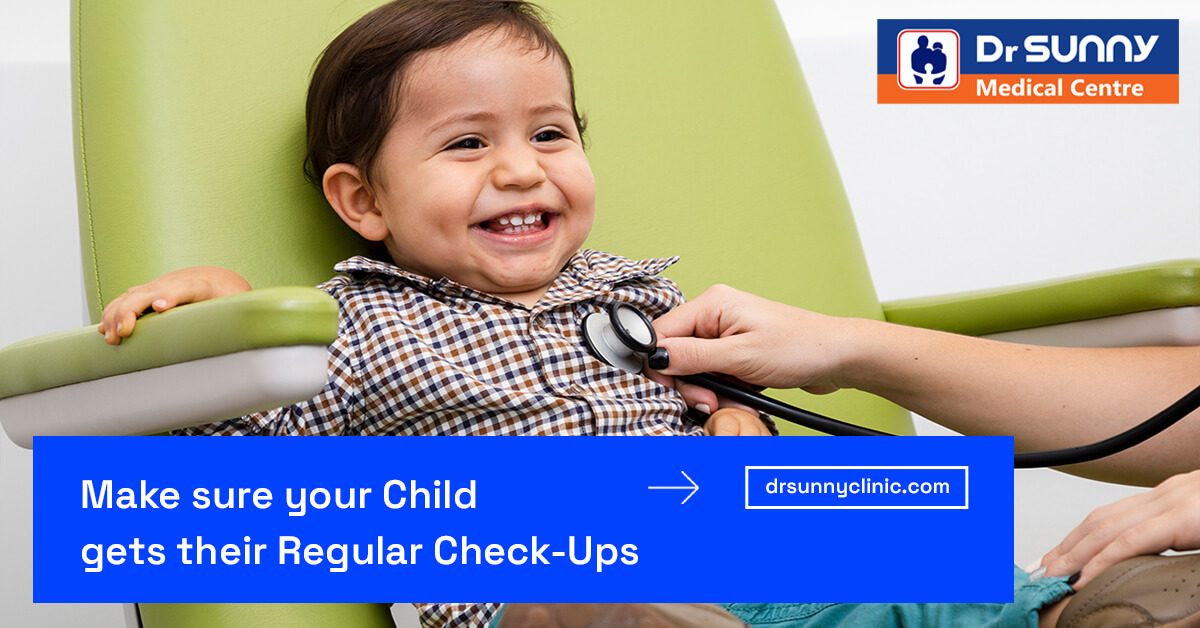
Regular check-ups are the best way to ensure that your child is growing up healthy and strong. If you are about to welcome a newborn, it is advisable to start your research to find a pediatrician before the baby arrives. As new parents you will need to make multiple visits to the pediatrician for the first two years for immunizations, well-baby visits, conducting physical examinations to chart developmental milestones and many other reasons.

Within the first few years of life, your child’s development is rapid and these check-ups allow our pediatrician to spot problems or developmental delays early. These check-ups are also focused on preventive care, which means providing your child with vaccines and screenings early on to prevent health problems in the future.

Baby checks are performed at 2 weeks; 6 weeks; 12 weeks; 6 months; 9 months and 1 year of age. Child health checks are performed at 18 months and 2 years. Thereafter, an annual check is suggested until your child goes to school.

What to Expect During the Check-ups?
  • Your child will be weighed and measured and his/her growth will be discussed with you.
  • Your child’s development will be checked against age appropriate milestones.
  • Your child’s doctor will carry out a general examination. These check-ups also give you a chance to ask questions about the development issues or behavioral problems that you would have noticed in your baby. The pediatrician can provide an apt solution for your concerns.
Getting Vaccinated

Immunizations are truly one of the best and most effective ways to keep your child healthy and free from potentially dangerous diseases such as measles, polio, and hepatitis B. Regular-check-ups are also important for your child so that they do not miss out any important vaccine that needs to be administered at specific time.


Parent’s Guide to Allergies in Children

Parent’s Guide to Allergies in Children

Allergies are one of the most common medical conditions caused when the body’s immune system recognizes a foreign substance (such as a food, venom, or pollen) as a pathogen that it needs to fight.

While these allergy triggers are not actually harmful but having them at an early age can hinder a child’s physical and emotional health. Though most of the times it’s clear that a child has an allergy; other times, their symptoms may be more subtle. Let’s have a look at some common allergies faced by children.

Common Types of Allergies
Skin Allergies

Does your child have rashes, that don’t seem to go away; it may be a sign of skin allergy. Skin allergy is the most common allergy found in children. Antihistamine creams and lotions may help in soothing skin allergies.

Food Allergies

The second most common allergies in children are to foods. If your child consumed something that did not suit them it can have adverse effect on your child’s health. Food allergies can cause diarrhea. If your child has diarrhea it is better to serve them a bland diet and make them drink plenty of water or other fluids as a natural cure for it.

Respiratory Allergies

Respiratory allergies are most common in older children. It is difficult to avoid airborne allergens, which can cause respiratory symptoms like congested sinuses.

Getting rid of allergies

If you suspect your child has allergies, it’s better to have them evaluated by a doctor to ensure proper treatment. A pediatrician can review your child’s symptoms and offer guidance for treatment.

If the allergy is severe your child’s doctor may suggest allergy shots. Pediatricians suggest these shots will help children become less sensitive to allergy triggers. With each shot, they will be injected with a tiny dose of the allergens that trigger the problem. This will boost the immunity in the children when they come in contact with the allergens in day-to-day life.

Tips to Promote Healthy Eating Habits for Your Young Child

Tips to Promote Healthy Eating Habits for Your Young Child

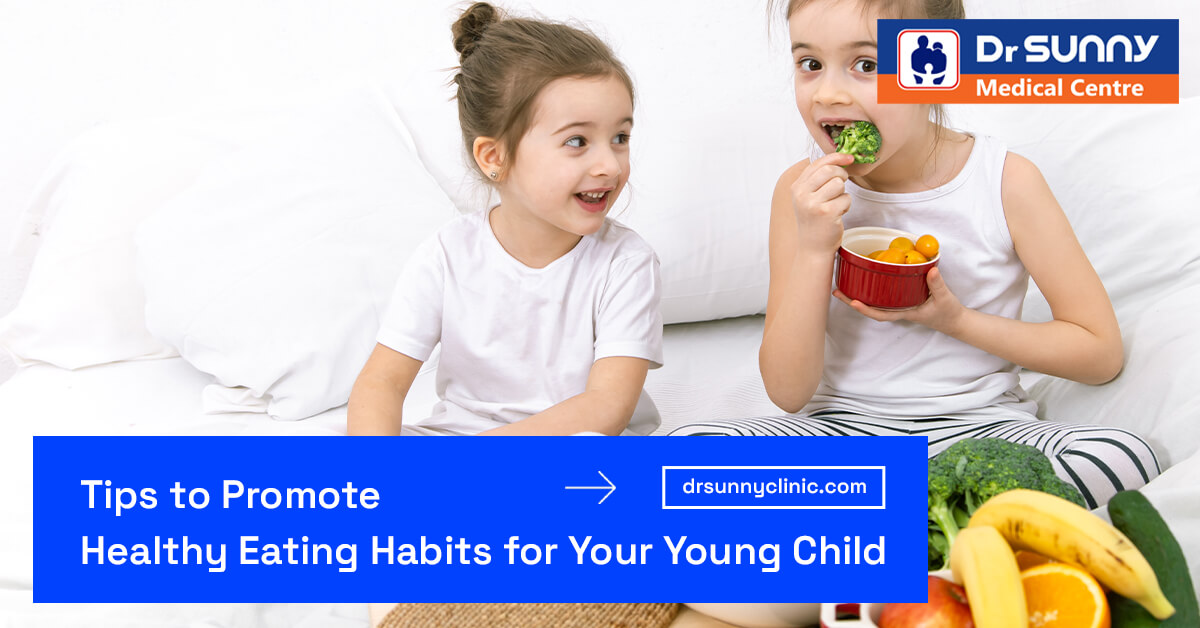
If you want your child to grow into an adult who would practice healthy eating habits, you need to teach them young. Healthy eating habits need to be instilled from a young age. Though it may seem tough and often take time and patience but it would be worth it. If your young children are giving you a tough time by not eating healthy and nutritious food you can take the help of the following tips to inculcate healthy eating habits:

Make snack time healthy

Young kids love snack time and they should be encouraged to eat healthy snacks which could provide them with the nutrients and calories they will need each day to grow. The best way to promote healthy snacking is by having fewer junk foods around. This will force your children to eat more fruits, vegetables, whole grains, and dairy products. Good snacks include low-fat yogurt, peanut butter and celery, or whole-grain crackers and cheese

Include enough fiber in meals

Most families don’t eat enough fiber on a daily basis. Breakfast can be an easy place to sneak it in. Look for high-fiber cereals like oats as a quick fix and healthy breakfast option.

Be a good role model

If you’re constantly on a diet or have erratic eating habits, your children will grow up thinking that this sort of behavior is normal. So make sure that as a role model you also are eating healthy and nutritious food and don’t skip meals.

Experiment with food

If your kids won’t eat vegetables, experiment with condiments and dips. You can also include vegetables in small quantity in food that your kids like to eat. For instance, if your child loves eating rolls, you can probably make them a vegetable roll.

Why Are Vaccinations Important for Children?


Why Are Vaccinations Important for Children?

As a new parent you always make sure that your baby gets the best and remains safe. You buy the safest car seat, stroller etc. Similarly you need to make sure that your child is safe against diseases. As the immune system of a newborn is not fully developed you need to keep them safe from viruses and other diseases and the best way to do it by getting them vaccinated.

A vaccine is a dead or weakened version of the bacteria/virus that causes the disease. When children take the vaccine, it triggers their immune system, which is the mechanism of fighting bacteria/virus. The immune system produces antibodies that can protect the child from contracting the disease if they are exposed later to the actual disease causing bacteria/virus.

Vaccines not only protect your child from diseases like polio, diphtheria etc. but also stop the spread of these diseases in the community and help in protecting other children. Most of the vaccines need to be given more than once at different stages and in combinations. As a parent you need to keep a track of the jabs received by your child.

Benefits of Vaccination
Protect your child from disabilities

Some vaccine-preventable diseases can result in prolonged disabilities and can take a financial toll because of lost time at work, medical bills or long-term disability care. In contrast, getting vaccinated against these diseases is a good investment and usually covered by insurance.

Protect future generations

Vaccines have reduced and, in some cases, eliminated many diseases that killed or severely disabled people just a few generations ago. Some diseases that once injured or killed thousands of children, have been eliminated completely and others are close to extinction– primarily due to safe and effective vaccines. For example, smallpox vaccination eradicated that disease worldwide. Your children don’t have to get smallpox shots any more because the disease no longer exists.

How to improve your relationship with your child?


How to improve your relationship with your child?

Parenting becomes much easier and fun if you develop a strong relationship with your child. Making your bond stronger with your kids requires some work and efforts. Pediatricians suggest if you develop a deep bond with your children they will be more willing to talk about their problems with you. Here are few simple tips parents can use to improve their relationship with children.

Play with your Children

The most valuable thing that parents can give to children is their time. If you want to bond with your children, the best way is to be a part of their playtime. You can play board games with them or just sing along & dance with them. Make sure you leave your cell phone behind while playing with the kids to give them your undivided attention. You can also indulge in outdoor games with your child.

Establish Bedtime Rituals

Bedtime stories are a great way to bond with your kids. Bedtime may be the only time for working parents to spend some quality time with their kids. You may also like to listen about the highlights of your child’s day before kissing them goodnight.

Tell your children you love them

Most of the times we fail to express our love and affection towards our children. Even on tough days or after having an argument with your child, don’t forget to tell your children that you love them unconditionally. A simple ‘I Love You’, no matter how old your child is, can help you deepen your bond with your kids.

Involve them in your daily activities

Children feel powerful when you ask them to help you in various day to day chores. Let your child assist you with grocery shopping or arranging the house. Ask them for their opinions before you choose a dress for yourself. This will make them feel valued and also help in the bonding process.

Natural Treatments for Seasons Allergies in Children

Natural Treatments for Seasons Allergies in Children

Allergies are one of the most common medical conditions, but having them at an early age can hinder a child’s physical and emotional health. Many allergic reactions can be avoided, but even after taking all necessary precautions your child may show a few allergic reactions. In this blog let us read about some of the common allergies prevalent in children and few natural remedies to fight them.

Skin Allergies

Does your child have rashes, that don’t seem to go away; it may be a sign of skin allergy. Skin allergy is the most common allergy found in children. Antihistamine creams and lotions may help in soothing skin allergies. There are a few natural remedies that can help for example, to help treat dermatitis, bathe the irritated area with warm water and mild soap. You can also choose to apply Aloe Vera gel or calendula cream. If your child has dry skin, use a fragrance free moisturizing cream or ointment. If your child is suffering from hives, you can apply cool wet cloth to the area. Adding a pinch of oatmeal in child’s bathtub can also have a soothing effect on his/her skin.

Respiratory Allergies

Respiratory allergies are most common in older children. It is difficult to avoid airborne allergens, which can cause respiratory symptoms like congested sinuses. To overcome it some natural remedies like breathing in steam from a bowl of hot water may help clear congested sinuses.

Food Allergies

The second most common allergies in children are to foods. If your child consumed something that did not suit them it can have adverse effect on your child’s health. Food allergies can cause diarrhea. If your child has diarrhea it is better to serve them a bland diet and make them drink plenty of water or other fluids as a natural cure for it.

Allergy Shots

If the allergy is severe, the natural remedies may not prove helpful and your child’s doctor may suggest allergy shots. Pediatricians suggest these shots will help children become less sensitive to allergy triggers. With each shot, they will be injected with a tiny dose of the allergens that trigger the problem. This will boost the immunity in the children when they come in contact with the allergens in day-to-day life.

Do you want to ensure your child’s physical and emotional well-being by avoiding allergies and taking natural remedies to fight them? Contact our experienced pediatrician who can provide guidance and advice on how to protect your child from common allergies. We understand how important it is to have a healthy and happy child, and we are committed to helping you achieve that.