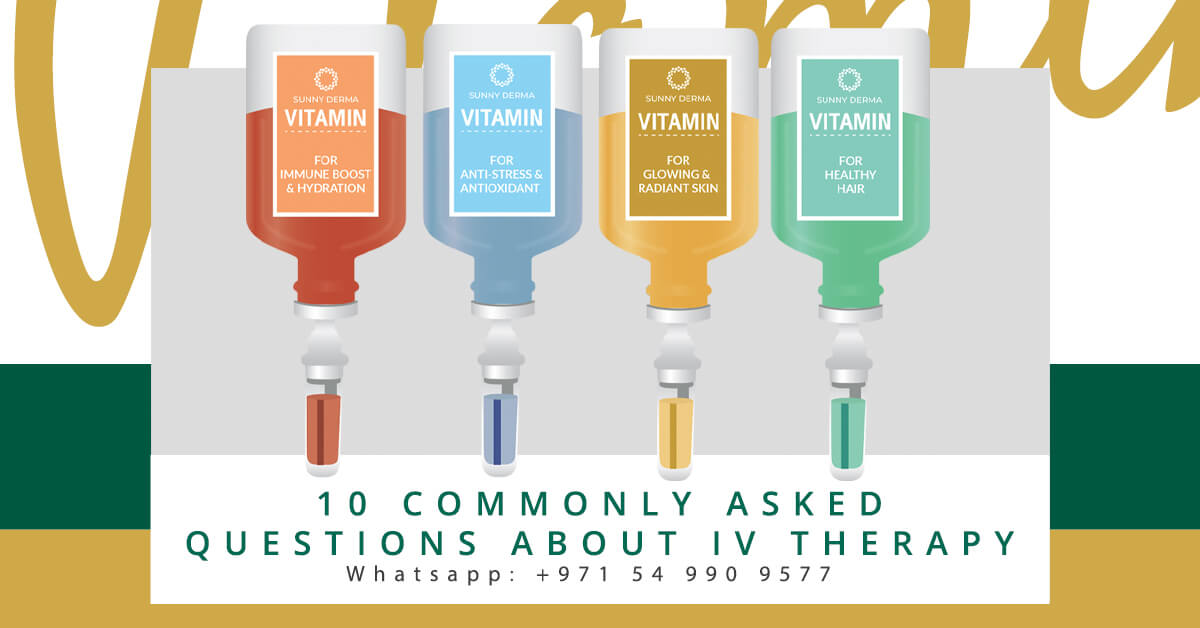
10 Commonly asked questions about IV Therapy

There many benefits of IV therapy making it one of the most popular treatments in recent times. However, the availability of different combinations of IV infusions can make things a bit confusing for anyone planning to opt for this super effective. Benefits include a radiant skin, immunity boost, liver detox and hair loss treatment.

These are some of the common questions asked about the IV therapy which can prove helpful to you to understand the numerous benefits of this treatment.

  1. What is IV Therapy?

The first question, that comes up in the mind of anyone seeking to know about the IV therapy which is also popular as IV infusion therapy or IV vitamin therapy is what exactly does it do? To explain it simply, it is the process of introducing necessary nutrients or fluids including vitamins and minerals directly into the bloodstream of a person, without being broken down in our digestive system.

  1. How does it work?

IV vitamin Therapy is known to deliver quick results as it bypasses the gastrointestinal tract. When vitamins and minerals are consumed in natural form or are taken as supplements, it gets broken down as they pass through the stomach and only some of the nutrients are absorbed by the body. IV drip avoids the breakdown phase by directly delivering the required dose of minerals and vitamins into the person’s bloodstream.

  1. How long does it take?

Each treatment session lasts for about 30 to 60 minutes based on the composition of the IV therapy.

  1. Is it painful?

As it is an intravenous therapy you will only feel a mild discomfort while the small cannula is being placed into the vein. After the treatment some people experience minor swelling at the part of the hand where the needle was placed. It is a temporary effect that goes off on its own.

  1. Which IV therapy will work for me?

Each IV Infusion therapy is tailor made according to the needs of a person according to their health and wellness goals.

  1. Can IV therapy prevent certain conditions?

Many IV therapies can be recommended to a person if they are looking to prevent certain medical conditions. For example, IV therapy can be given for hair loss as well as for immunity boosting.

  1. Is there an age limit to receive IV therapy?

IV therapy is available to people between the ages of 18 onwards but this criteria is subject to the doctor’s advice.

  1. What should be the frequency of treatments?

The frequency of treatment depends on the needs of the person. It can be used as a one-time treatment in several cases.

  1. Is it safe?

It may not be recommended for pregnant women and even other patients with some medical conditions. Always consult your doctor before getting an IV drip.

  1. What to do while experiencing any discomfort during IV?

If you experience any symptom such as pain, dizziness or nausea alert the medical team immediately.
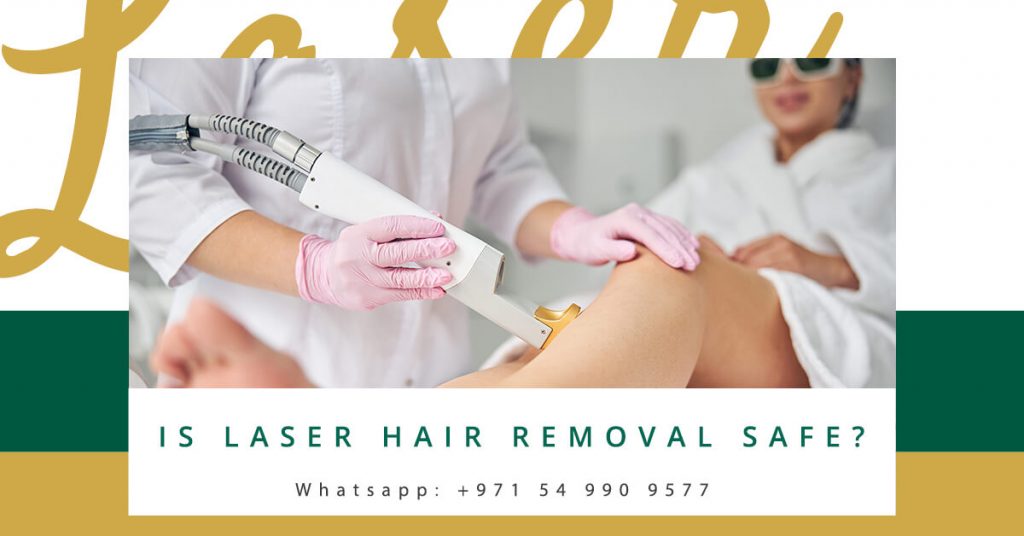
Is Laser Hair Removal Safe?

Aren’t you exhausted of the time-consuming and painful traditional hair removal methods including shaving, waxing and tedious home remedies? If you are looking for a more permanent solution to get rid of the unwanted body and facial hair, laser hair removal is your best bet.

Laser hair removal uses highly concentrated light to destroys hair follicles and curtail future hair growth. Laser hair removal is safe and effective. The procedure does not cause any long-term side-effects. However, let us make ourselves aware about the possible side-effects.

Minor side-effects

The procedure may cause temporary skin irritation or pigmentation. Slight redness and swelling around hair follicles can be noticed on the treated area. These effects are short-lived and are also experienced during traditional ways of hair removal. The dermatologist might apply topical anesthetic to minimize these effects. You can also apply ice packs to reduce the pain and swelling.

Pigmentation changes

If you have lighter skin, you may see temporary dark spots and if you have darker skin, you may find lighter spots after the procedure. Just like irritation and redness, these spots won’t last long.

Rarely occurring Side-effects

If you use laser kits at home or are getting the procedure done from an uncertified provider you may be at risk of rare and more long lasting side-effects. In such cases you may get blisters, scarring or skin crusting.

It is imperative to address your queries with your dermatologist before opting for the procedure. The use of laser hair removal is not recommended for pregnant women. It is recommended to see a doctor if any severe symptoms are experienced after laser hair treatment.

It is also very important to disclose any medical conditions and medications you are taking as this can affect the outcome of the treatment.

Post-laser skin care is required to achieve the flawless skin you always desired. Here are few things that you need to follow:

  • Between laser hair removal sessions, avoid using other hair removal methods. Shaving is acceptable
  • Avoid getting a tan, both natural and artificial
  • Do not forget to wear your sunscreen when stepping out in the sun.
  • Avoid saunas and Moroccan baths


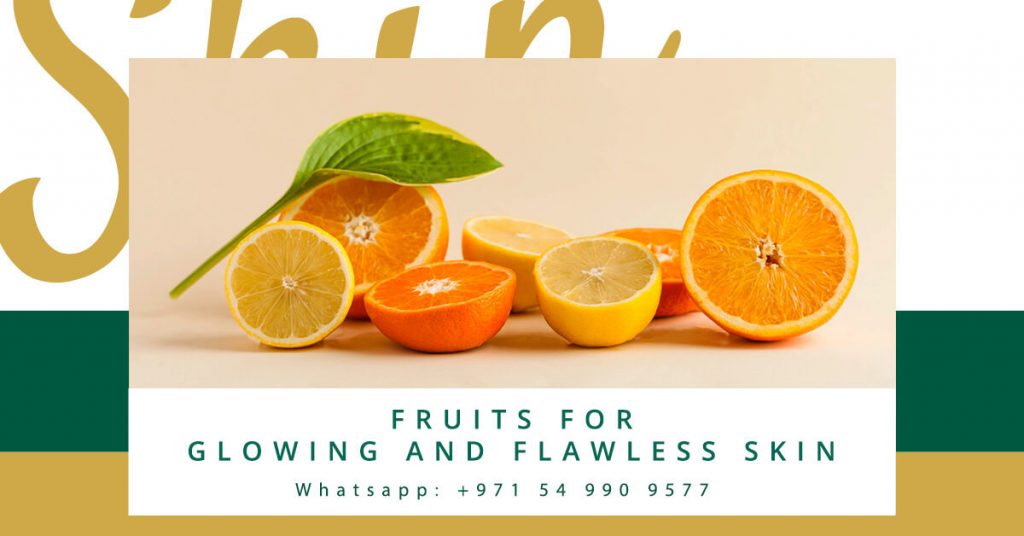
Fruits for Glowing and Flawless Skin


If you are looking to enhance the radiance and health of your skin, the best way is to consider including seasonal and fresh fruits in your daily diet. Keep scrolling to know how eating fruits can give you a healthy skin and which fruits to eat to get that perfect radiant skin.

How Fruits Help to Attain Glowing Skin?

Including seasonal fruits in your diet provides your body with a wide variety of nutrients, essential minerals and vitamins and antioxidants that help in minimizing inflammation and avoiding different kinds of infections. Moreover, the vitamins and minerals found in the fruits are known to boost the production of collagen that is known to make your skin healthy, radiant and firm as well as keeping the signs of ageing at bay.

Best Fruits to Consume to Get Glowing Skin

While few people are naturally blessed with a healthy skin, some of us need to follow a certain diet and skin regime to get the flawless skin and radiant complexion. Including the following fruits which are considered to be a powerhouse of valuable nutrients required by our body and skin can help you in your quest to achieve your dream skin:

Lemon: If you desire to get a blemish-free skin, make sure that you are including lemon as a part of your diet. Packed with Vitamin C, this citrus fruit is a powerful antioxidant which fights off free radicals and flushes out toxins from your system. It shields your skin from hyperpigmentation and alleviates inflammation from your skin and clears out acne breakouts, giving you a clear and glowing complexion.

Orange: Who doesn’t love a glass of freshly squeezed orange juice?  It is not just great in taste but it is also great for your skin as it helps in boosting collagen and prevents oxidative as well as photodamage.

Watermelon: If you want to get that summer glow, don’t forget to include this fruit in your diet. Rich in water content, this fruit helps in flushing out toxins from your body. At the same time it is enriched with essential vitamins including Vitamin A, B1, B6 and C. The lycopene present in this fruit prevents skin from free radical damage.

Papaya: It is a rich source of Vitamin A, B, and C, and essential minerals such as potassium, copper, and magnesium. It also contains antibacterial, antiviral, and antifungal properties, which makes it a potent remedy to cure different types of skin issues like eczema, warts etc.

Berries: Blueberries, raspberries, blackberries and strawberries are densely packed with antioxidants such as vitamin c and other nutrients like calcium, magnesium and potassium.

Aesthetic Treatments in UAE

Are you looking for aesthetic treatments in the UAE? Whether you need an anti-wrinkle treatment, a chemical peeling, a non-surgical facelift, Meso Therapy, Micro-needling, Anti-ageing medicine or hair treatments, Sunny Derma is specialized in providing optimal results based on your requirement.

Some of the most popular aesthetic treatments provided at Sunny Derma include:

Chemical peeling: It is one of the oldest aesthetic beauty treatments. The peels dissolve the proteins that bind the skin cells together. This makes our body produce new cells, improving the overall texture of the skin. The kind of peel used depends on the requirement of the patient. It is widely used to help with pigmentation, acne scars, removing tan etc.

Double Chin Treatment and Face Contouring: Everyone loves a perfectly shaped and contoured face. Your face can look more attractive if you get rid of the double chin and it is possible through the advancement in technology. Common treatments include Neurotoxins (example Botox), Mesolipo (fat melting injections), threads,

Dark Circles Treatment: The first signs of ageing appear around our eyes, this makes taking care of the area even more important. The continuous use of smartphones and other devices that emit light and radiation around the eyes can cause damage. Pigmentation around the eyes can be distressing for many people. There are a number of treatments that can help including fillers, PRP, mesotherapy, micro-needling, peels, botox etc.

Micro-needling: Microneedling is a procedure in which a derma roller, derma pen or a microneedle stamp is used to make tiny punctures in the top layers of the skin. This mechanical micro-injury stimulates collagen production (Collagen Induction Therapy). This process plumps skin and improves the appearance of fine lines, wrinkles, scars, and pores.

Meso therapy: Meso therapy is a technique that uses very fine needles to inject substances like vitamins, enzymes, hormones, and plant extracts that helps in rejuvenating  and tightening the skin, as well as remove excess fat. This treatment is also used for pigmentation and hair loss.

Botox Injections: Botox injections are used to treat lines and wrinkles mainly on the face and temporarily relax the targeted muscle. Botox is also used to treat excessive sweating and teeth grinding.

Fillers: Fillers are substances that are injected under the skin to ‘fill in’ any defects or to enhance existing features of the face or body. The most common filler used is Hyaluronic Acid (HA) which is naturally produced in our bodies. A gel-like product, when injected into the target area, it ‘fills in’ the defect or hollow.


Best Ways to Get Rid of Unwanted Hair


When it comes to getting rid of unwanted hair there are so many options that you may get confused and it may become difficult to know which one will work best for you. To help you make an informed decision here we will discuss about a few popular ways to remove unwanted hair:

Waxing and Threading:

These are historically some of the oldest methods of removing body hair. While, if done properly they do effectively remove hair, the process is very painful and more importantly it is very traumatic to the hair follicle and surrounding skin. Common complications following these methods are irritation, infections and ingrown hairs.

Shaving

Shaving is one of the most common methods when it comes to getting rid of unwanted hair on any part of the body. But frequent shaving can irritate your skin and can even cause dark marks. Razor burns and cuts are also common many times while shaving. The results are short-lived, so you may need to shave daily or every few days to maintain your results.

Depilatory products

These are creams, gels or lotion that breaks down the hairs’ protein structure and dissolves it. It is recommended to do a skin test before trying it as depilatories can cause burns, stinging, or peeling. Hair removed this way usually comes back in a couple of weeks. These creams over time and prolonged use can damage the skin and cause allergies.

Laser Hair Removal

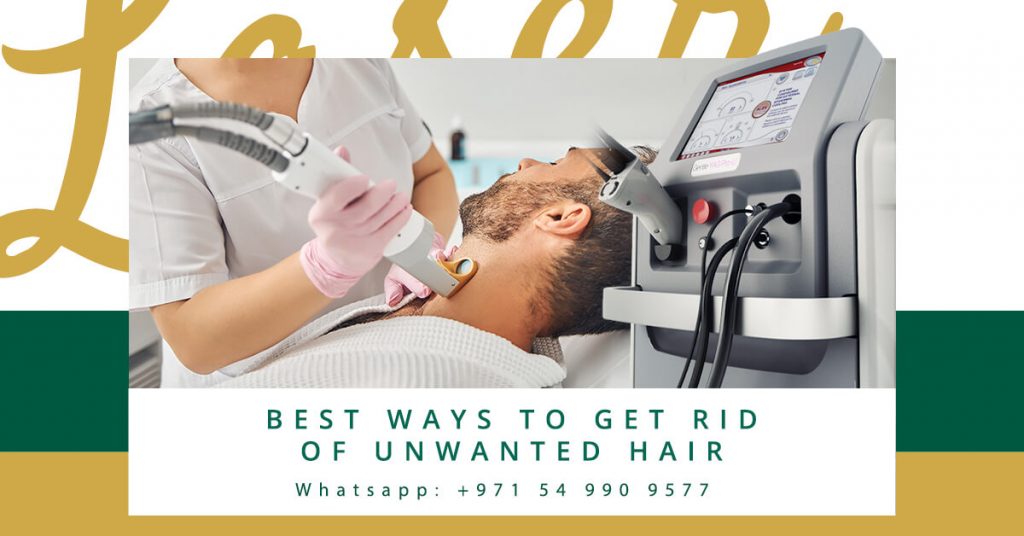
This modern method of getting rid of unwanted body and facial hair uses laser in a specific spectrum of light to target hair and destroy the follicles. It’s a safe, long-lasting treatment and over time the hair that grows back will usually be thinner and finer. You’ll need to see your dermatologist for maintenance anywhere from once or twice a year to every few years.

Laser Hair Removal at Sunny Derma

There are a number of laser hair removal systems to choose from, but at Sunny Derma we use the Candela Gentle YAG PRO Long-pulsed Nd: Yag Machine. It stands out from the other options available in the market as it provides virtually painless and effective laser hair removal.  Gentle YAG PRO is the fastest and most powerful ND:YAG laser which offers 1064nm wavelength and combines both energy and power with variable pulse duration.  It can remove unwanted body hair without damaging the delicate pores or structures of the skin.

It emits a gentle beam of light that reaches the hair follicle where it is absorbed. The energy is transformed into heat which destroys the hair follicle.


All you need to know about facial laser hair removal

Are you tired of going to the salon every fortnight to get your upper lip or sideburns hair removed?

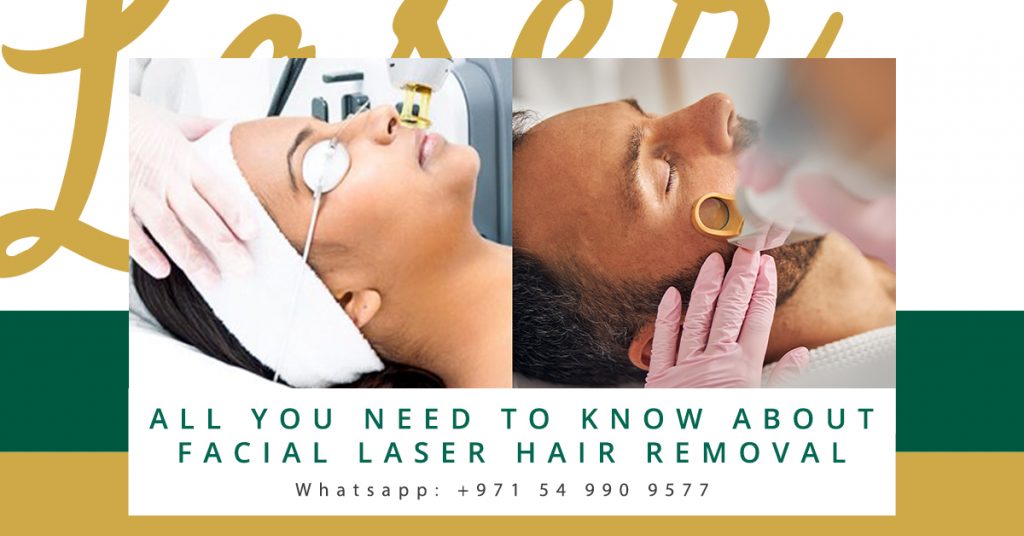
If yes, facial laser hair removal can give you a long lasting solution. Laser hair removal on the face works in the same way it does for other parts of the body. It is an effective method of removing hair on any part of the body. A study showed that laser hair removal resulted in a significant reduction of hair after the first visit, unlike other methods like waxing or which showed no notable difference in the number of active hair follicles

The number of sessions needed by an individual will depend on an individual’s skin and hair type. Most people require 6-12 sessions for laser hair removal on the face to be effective.

How Laser Hair Removal is Done on Face?

When you decide to get your facial hair removed with the help of laser therapy, usually you will go through the following procedure:

The dermatologist will verify what treatment is appropriate for you.

Your face will be prepped for the procedure. This may include putting an anesthetic cream on the treatment area and marking the treatment area.

You will be asked to wear an eye protection gear during the treatment.

The hand-held laser device will be used across the treatment area.

Your face will be cleaned and the therapist will give you post-treatment instructions.
The treatment is quick and most sessions just take 10-15 minutes.

Is Laser Hair Removal Safe for Face?

Absolutely yes! Laser hair removal is safe for your face. You may notice redness, mild swelling after the session but it is temporary and usually goes away after a couple of hours of the session. Severe side-effects like skin tone change or burns are very rare and the professional doing the laser treatment will guide you properly to avoid these side-effects.

Benefits of Doing Medi-Facials Once a Month

You might be using the best skin care products and practicing a good skin care routine but that may not be enough. When it comes to achieving smooth, flawless and glowing skin you need to seek professional help. This is where a medi-facial can be of great help.

What are Medi-facials?

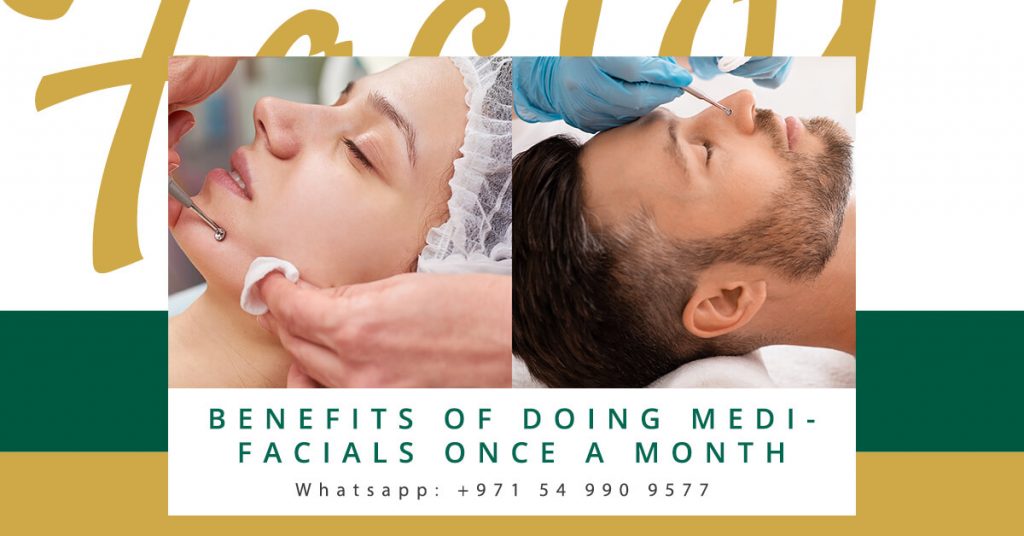
Unlike your regular salon facials, a medi-facial is a deep skin treatment and offers long-lasting effects. Your therapist can customize the facials according to the needs of your skin. It is suitable for sensitive skin as well as acne prone skin. Here are a few reasons your skin will benefit from facials done in a professional clinic:

  1. Deep Cleansing & Exfoliation:
    You might be using the best cleansing products to clean your skin on a daily basis, but surprisingly that may not be enough. Getting a facial once a month will give you a deeper cleansing than the regular products and help in getting rid of dead skin cells and toxins that get accumulated over time. A thoroughly cleansed skin is less likely to breakout and less likely to get fine lines.
  2. Anti-ageing:
    Regular Medi-facials can have a huge impact on slowing down the ageing process. Fine lines and wrinkles significantly reduce due to the controlled exfoliation and intense hydration. Facials can stimulate collagen production and strengthen the muscles in your face that gives you wrinkle-free, smooth skin.
  3. Reduce Acne Marks:
    Stubborn acne marks can be treated with tailor-made Medi-facials that target the marks. Exfoliation and improved lymphatic drainage also help.
  4. Get an Even Skin Tone:
    Are you worried about dark spots on your skin? Ageing, exposure to sun and hormonal changes may cause too much melanin production that can result in dark spots on your skin. Medi-facials are a great way to get rid of these dark spots and reverse the damage.
  5. Relax & Glow:
    Facials not only just improve the texture of your skin but it is also a way to feel better and reveal the glow that has been lying under the dead skin cells. It will help you boost your confidence and uplift your mood.

Glow with the ultimate Sunny Signature Facial

Experience a relaxing medical grade facial that leaves you with glowing radiant skin in just 1 hour! Rejuvenate yourself with this specially designed facial which cleanses, exfoliates and hydrates your skin leaving you with the ultimate glow! So what are you waiting for? Book your appointment now and say goodbye to dull skin for just AED 249 per session.

Common Causes of Hair Loss

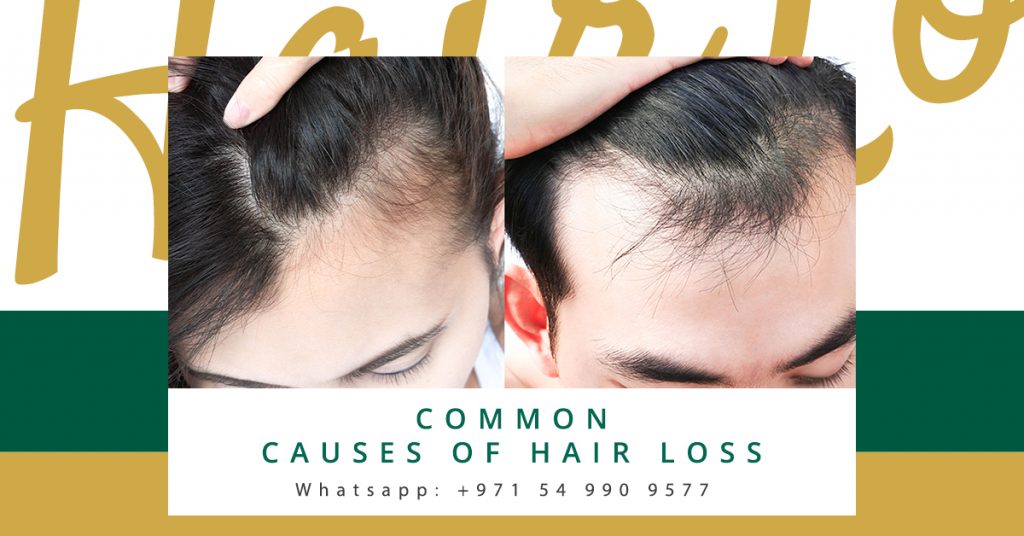
Everyone experiences hair loss at some point of time in their lives. Most of us lose around 50-100 strands of hair every day, especially on the day you decide to wash your hair. But if you notice loss of hair more than the usual, on your pillow, comb or shower drain it should be a cause of concern. Possible causes of hair loss include stress, poor diet and underlying medical conditions. Here are a few common causes:

  1. Telogen Effluvium:
    This kind of hair loss can happen about 3-6 months after you go through something stressful including giving birth, recovering from an illness, losing a job, ending a relationship or going through a major surgery.
  2. Certain medications:
    Taking blood thinning medications or chemo therapy drugs can be a possible reason for sudden hair loss.
  3. Poor Diet:
    A diet deficient in essential nutrients required for strong hair such as Iron and Vitamin A could be the reason for excess hair fall. Other important nutrient deficiencies are: Biotin, Vitamin D, Zinc, Copper and Selenium
  4. Underlying Medical Conditions:
    If a person is diagnosed with underlying infections, chronic diseases or hormonal imbalances they can suffer from severe hair loss. Common conditions causing hair loss are: Thyroid disorders, PCOD and cancer.
  5. Alopecia Areata:
    These are well-defined patches of hair loss on hairy areas such as scalp or beard. They usually occur suddenly and can be multiple in number. In this condition our body’s immune system mistakenly attacks the hair follicles making you lose a significant amount of hair. Spontaneous re-growth of hair is common even without treatment however, treatment will significantly improve the speed of recovery.

PRP Therapy for Hair Loss

If you are you suffering from mild or moderate hair loss, your doctor may suggest PRP (Platelet-rich Plasma) Therapy to restore hair growth. The entire process may take up to an hour and a half and the person may require several sessions based on how well they respond to the PRP therapy. The doctor might suggest a maintenance session every 3-6 months once hair loss in under control.

During the procedure a medical professional draws blood from a vein in your arm and places the blood sample in a centrifuge. The centrifuge spins the blood to separate its components and the medical professional extracts the plasma part to use for injection. The plasma is injected into the specific areas in your scalp to promote hair growth.

PRP therapy for hair loss is considered to be a safe treatment as the patient’s own blood components are used, making the risk of getting a reaction very low. After the treatment the patient can resume most normal activities the very next day.

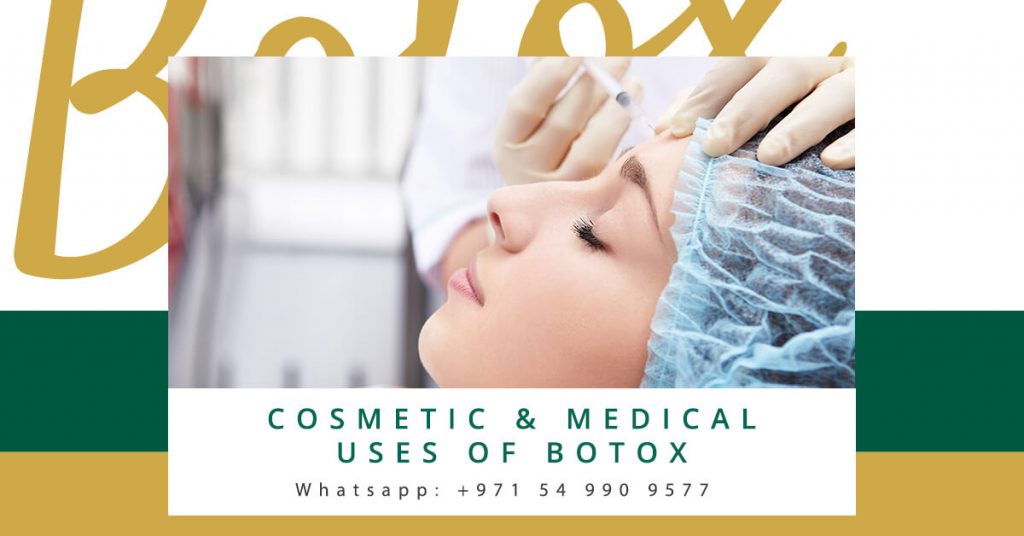
Cosmetic & Medical Uses of Botox

Botox is a protein made from Botulinum toxin, which is produced by the bacterium Clostridium botulinum. Though it is a toxin, but when medical practitioners use it correctly and in small doses, it can have several amazing benefits including both cosmetic and medical benefits.

As most of us are aware, botox injection is a magical way to reduce wrinkles and fine lines. It is helpful in various other treatments including eyelid spasms, excessive sweating, some bladder disorders, and migraine. In this blog we will tell you about its various uses, benefits and potential side-effects.

What is Botox & How does it Work?

Botox is a neurotoxin and botox injections are manufactured with very small doses of Botulinum toxin. The drug can temporarily paralyze muscles, which can benefit people with various muscle or nerve disorders.

Medical practitioners use Botulinum toxin by diluting the powder in saline and injecting it directly into neuromuscular tissue. Botox targets the nervous system, disrupting the nerve signaling processes that stimulate muscle contraction. This is how the drug causes temporary muscle paralysis. In order for any muscle to contract, the nerves release a chemical messenger called acetylcholine at the junction where nerve endings meet muscle cells.

Acetylcholine attaches to receptors on the muscle cells and causes the cells to contract, or shorten. Botox injections prevent the release of acetylcholine, which stops the muscle cells from contracting. In this way, the toxin helps the muscles to become less stiff helping with the reduction of fine lines and wrinkles.

Cosmetic uses

The primary use of botox injections is to reduce wrinkles and fine lines including, wrinkles around the eyes, known as crow’s feet, horizontal creases in the forehead, lines at the corners of the mouth and even for face contouring.

Medical uses

Medical conditions that may benefit from Botox include excessive sweating, any type of muscle spasms, teeth grinding (bruxism) and migraines. Other issues and medical conditions that may benefit from off-label Botox use include, facial redness and flushing, scars from wound healing, Hidradinitis Suppurativa, an inflammatory skin disease, blistering lesions due to Hailey-Hailey disease, a rare genetic disorder.

Possible Side-effects

The common side-effects of Botox include dry eye, numbness, mild pain, swelling or bruising around the injection site, a headache or a temporary eyelid drooping.

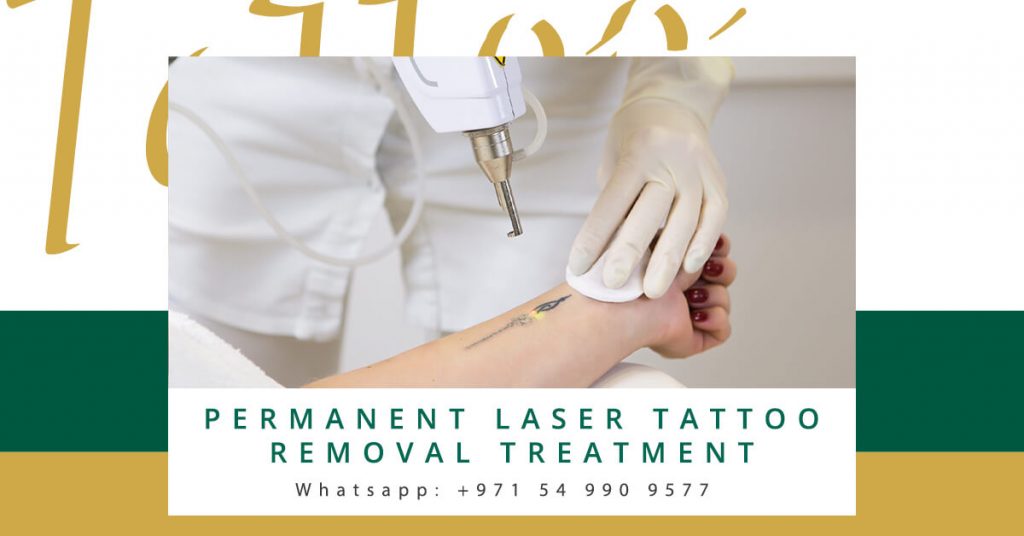
Permanent Laser Tattoo Removal Treatment

Tattooing is an ancient form of permanent body art that has been practiced for thousands of years for religious, political or aesthetic purposes. While the popularity of tattoos is rising in recent times, so is the number of people seeking to remove them. The reasons range from change in job or lifestyle or simply because they don’t like the tattoo anymore.

While tattoos are generally considered permanent as the ink granules are deposited below the skin’s surface, it is now possible to remove them with laser. The standard treatment to remove tattoos fully or partially involves the use of Q-switched ND:Yag and other lasers. It usually takes a few laser treatment sessions to get the desired results.

How Laser Tattoo Removal Works?

The healthcare provider focuses laser beams that use concentrated bursts of energy to heat up the large ink particles beneath the skin. This breaks it into smaller particles. Those smaller ink particles can then be then eliminated naturally by the body’s immune system. Tattoos with different colors may require use of multiple lasers operating at different frequencies.

Can Tattoo Removal be Painful?

For some people it feels the same as getting the tattoo, while for others it is like feeling a rubber band being snapped against your skin. Your dermatologist may suggest the use of a topical cream to reduce the pain depending on the location of the tattoo and your pain tolerance.

Smaller tattoos require fewer laser pulses and larger ones require more. In either case you may require multiple visits. The color of your skin as well as the depth of the tattoo pigment in the body also affects the removal technique.

Generally the tattoo may be removed in 3-8 visits or sometimes more.

Benefits of Laser tattoo removal

  1. The procedure is effective and permanent and is safer than other options.
  2. It can be done on an outpatient basis.