Is Microneedling Right for me?

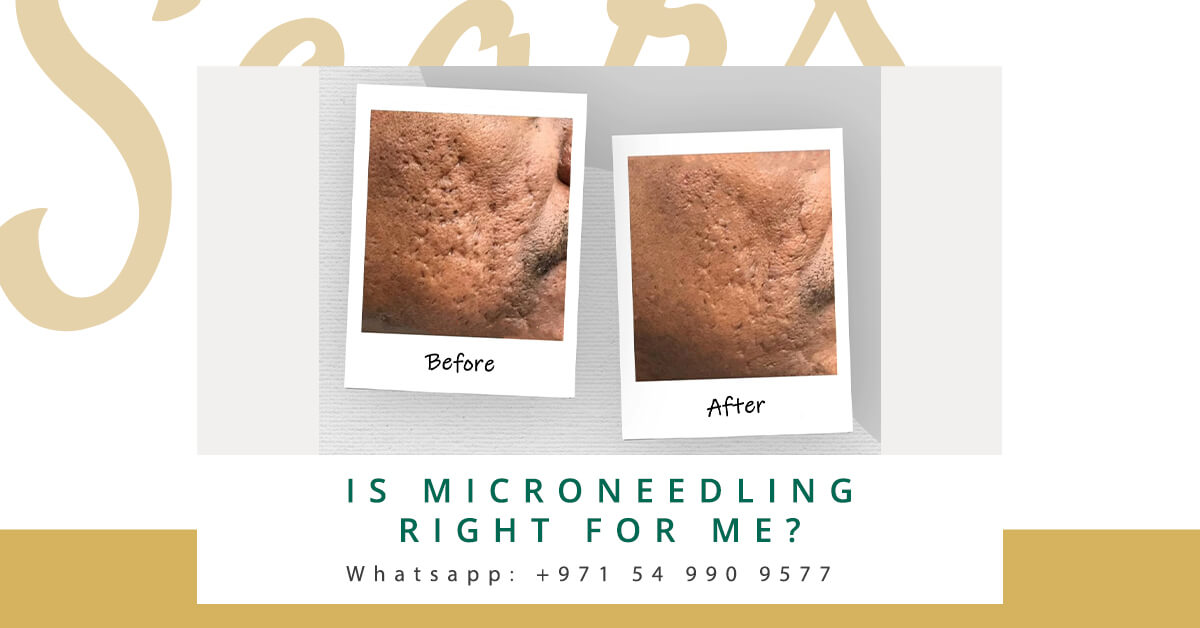
Microneedling is a minimally invasive treatment that can be used for treating acne scars, spots or sun damage. The multiple tiny punctures trigger the production of collagen and elastin, helping in improving the skin quality and youthfulness.

How Does it Work?

Tiny needles entering the dermal layer of the skin stimulates it to produce more collagen. This new collagen fills in the areas where it was previously lacking and in turn will smoothen out your skin. This is a great option for fine lines, scars and wrinkles.

Why Choose Microneedling?

Microneedling is beneficial in treating burn scars, stretch marks, surgical scars and sagging skin. By accelerating the production of collagen it also helps in the removal of fine lines, wrinkles, appearance of large pores, loose, sagging skin that are all signs of ageing.

Unlike other invasive skin therapies, microneedling has relatively less down time. People choosing this procedure can get back to work a day after the treatment. There might be temporary redness or inflammation which subsides within few hours. Unlike other skin corrective treatments like laser therapy, microneedling is considered safer for darker skin tones. It is also considered safe for people with sensitive skin.

There are many benefits to microneedling, especially when combined with radiofrequency, platelet rich plasma or vitamins. But it is important that a doctor assesses your condition and determines whether this is the right treatment for you.

To determine if microneedling is right for you, visit Sunny Derma, where the experienced dermatologists can work with you to create a treatment plan that will be accurate for your skin.
The Difference between Dermal Fillers & Skin boosters

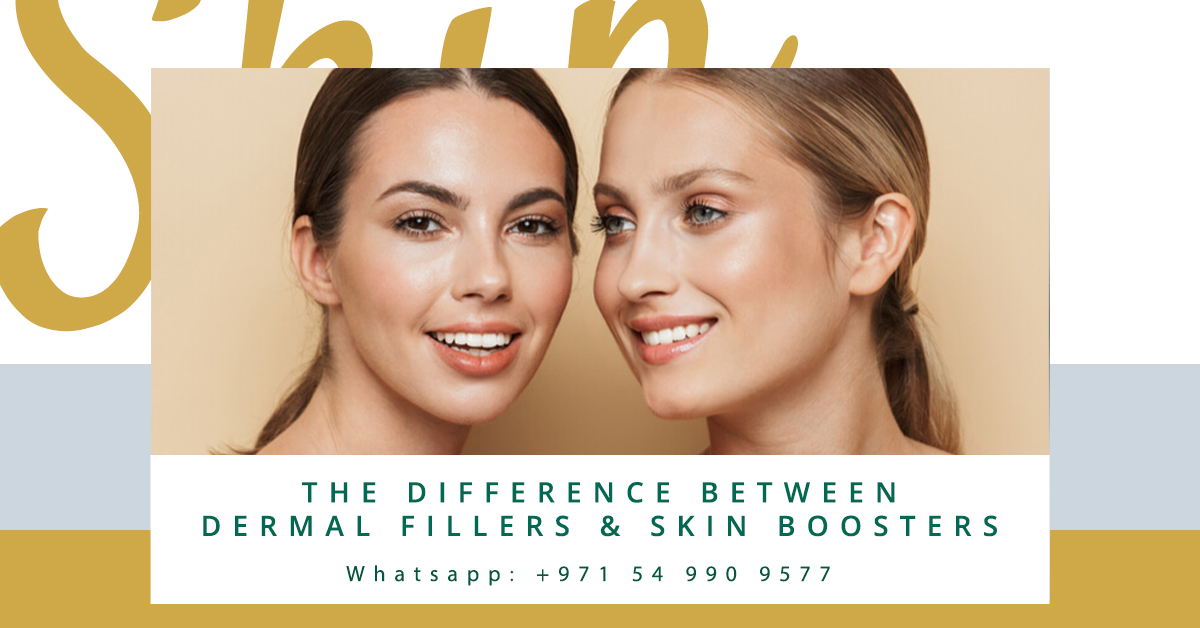
When it comes to staying youthful and radiant the two most popular injectable cosmetic treatments that come to your mind would be dermal fillers and skin boosters. Because they are both usually hyaluronic acid based, it may seem similar to most of the people but there are several differences between the two most popular anti-ageing treatments.

Keep reading this blog to understand more about these popular treatments, and get to know which one is right for you. Let’s break down the differences:

Type of hyaluronic acid

Though both the treatments make the use of hyaluronic acid to reverse the signs of ageing but in skin boosters, the molecules are loosely bound and can easily integrate into the delicate layers of the skin. Meanwhile, derma fillers have molecules of hyaluronic acid that are more tightly bound and can give more defined structure to the skin.

Treatment Areas

Both treatments target different areas therefore it is really dependent on your individual desires as to which treatment would be best for you. Derma fillers is a treatment that helps to restore areas that have lost volume as one ages (e.g. under eye bags), address areas of aesthetic asymmetry such as weak chins, and reshape places such as the jawline and nose.

This treatment focuses only on one area at a time. Meanwhile, skin boosters is a more holistic treatment and when injected it spreads under the skin evenly making the face, hand or other area looking plump and radiant.

Which Treatment lasts longer?

Derma fillers typically last from 6-18 months based on the location where the filler is used. Whereas skin boosters last for six months and requires two treatments 4 weeks apart to get the best results.

So after reading this blog you would have understood that though both treatments look similar at a glance but they have different purposes. Whilst dermal fillers can be used for altering the shape of facial features (goodbye, bumpy nose and hello, plump lips), replacing lost volume due to ageing and contouring, skin boosters don’t have any role in volumising or restructuring the face.

Still if you have any doubts regarding which treatment would suit you better don’t shy away from reaching out the expert dermatologists at Sunny Derma and get the treatment that suits you best.

Treat Stretch Marks with Microneedling

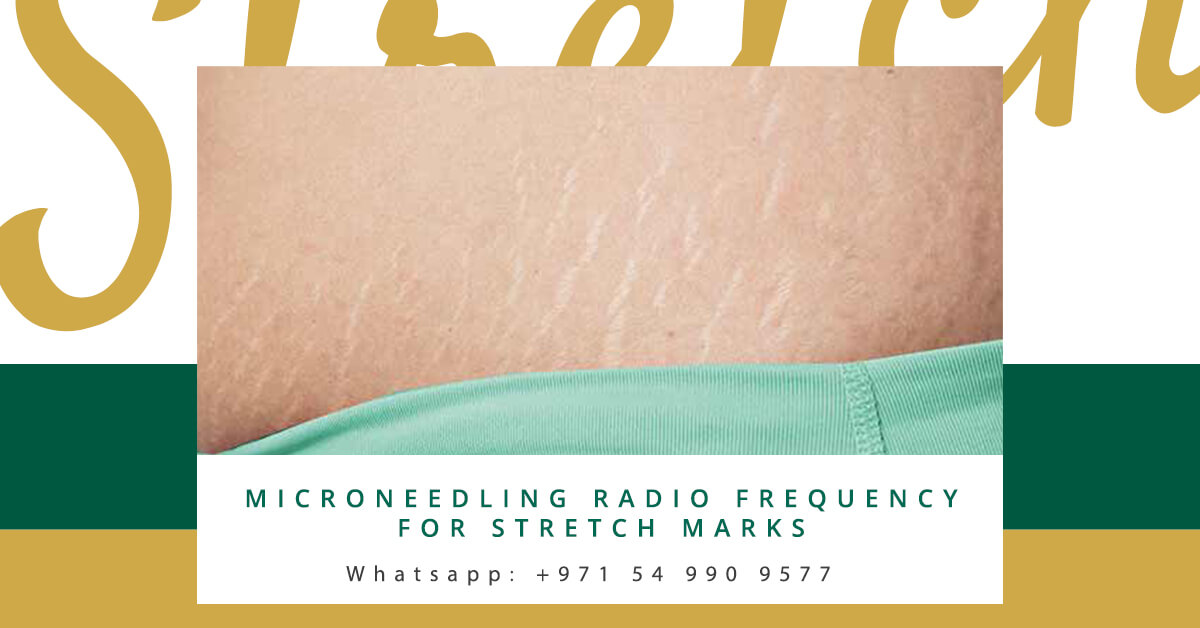
Are you unable to wear your favourite crop top due to the visible stretch mark on your stomach? If yes, there is a solution that is convenient and safe – Microneedling.

Medically known as Striae, stretch marks are long, narrow stripes that form on the skin due to excessive stretching. Mostly, when your skin is stretched too fast due to various reasons including obesity, growth spurts during teenage or pregnancy it causes tearing in the elastin fiber resulting into the stretch marks. They are in fact scars that take ages to fade naturally and can usually appear stomach, thighs, hips, breasts, upper arms, and lower back and are common in women after pregnancy.

How Microneedling Helps in Getting Rid of Stretch Marks?

There are several procedures that have been known to improve the appearance of stretch marks. One of the procedures, known to be effective against stretch marks is Microneedling. Also known as Collagen Induction Therapy, microneedling utilizes tiny needles to make channels in your skin that stimulates your skin to produce collagen due to the perceived injury of the skin. This procedure will speed up the diminishment of stretch marks through inducing the rapid formation of collagen.

This will smooth out the appearance and cause the stretch marks to vanish. Though you will need multiple sessions to get the desired result but it is worth it.

Advantages of Microneedling over other Treatments

Unlike other invasive skin therapies, microneedling or dermarolling is considered to be less time consuming. People choosing this procedure can get back to work a day after the treatment. There might be temporary redness or inflammation which subsides within few hours.

Unlike other skin corrective treatments like laser therapy, microneedling is considered safer for darker skin tones. It is also considered safe for people with sensitive skin.

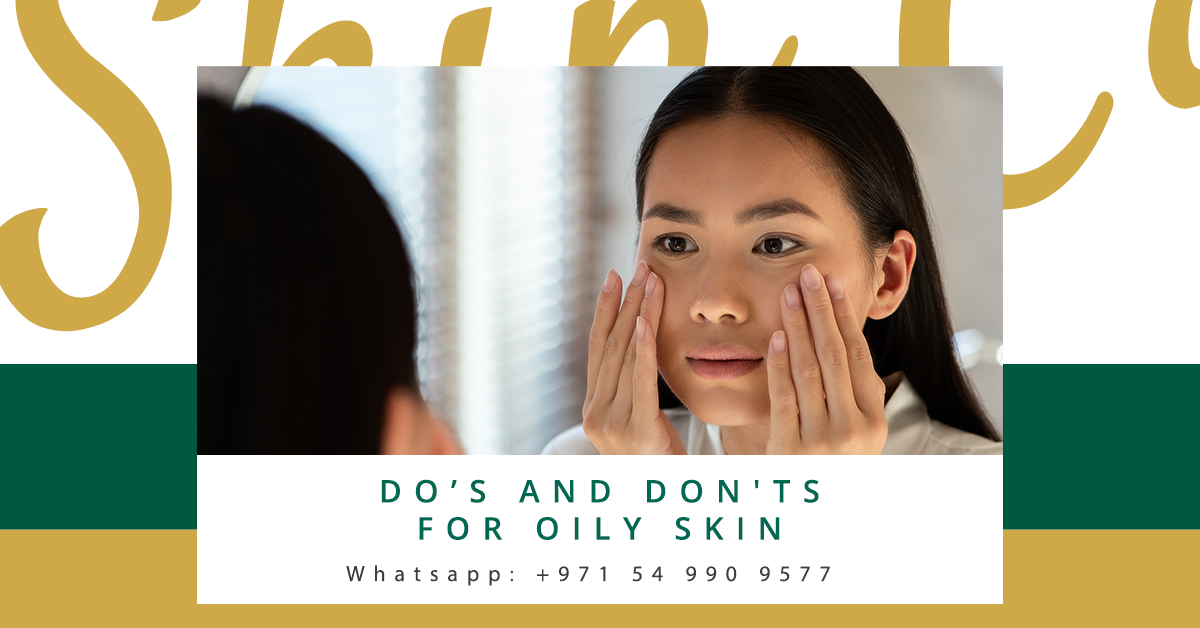
DO’s and DON’Ts for Oily Skin

Oily skin has been a common problem faced by most of us. Oily skin can also be a cause of concern as it may lead to stubborn acne that may scar your skin for life. Social media and the internet bombard you with tips and hacks but end up causing more confusion. Keep reading for simple easy solutions for taking care of oily skin

Things to do:

Follow a Skincare Routine: The best thing you can do to tackle the problem of oily skin is to commit to a daily simple skincare routine. People who suffer from oily skin tend to ignore the problem hoping it’ll go away on its own but sadly that’s not the case. Dedicated skin care and patience are necessary to combat this common issue. Because everyone’s skin is different, you may require the help of a dermatologist to figure the best routine for your skin type.

Moisturize: Usually people with oily skin skip the important step of moisturizing their skin. But if you don’t use a moisturizer, your skin will produce more oil and sebum to compensate, and that will only lead to further breakouts. The key is to used a water or gel-based moisturizer to provide the hydration required by your skin without clogging your pores.

Gentle exfoliation: Gentle peels can help target problem areas on your skin and leave the rest of your skin alone. Harsh exfoliation, while it may seem like a solution, can actually worsen the problem, so instead opt for a peel which targets dead skin and dirt buildup. Give a try to the different alpha hydroxy acids out there like lactic acid or glycolic acid. Gentle enzyme peels are also a good option.

Things to Avoid

Over-cleansing: Repeatedly washing your face can strip away essential oils that are required for healthy skin. This leads to breakouts and dryness which further signals your skin to make more oil. Finding the right balance is the key. Use very little face wash product and don’t overly lather the product. Make sure to remove any makeup residue prior to washing.

Using too many products: Using too many products introduces way too many different ingredients to your skin, and you can’t be sure what exactly is helping or harming. Less is more. Start with one product and then add on more only if you or your dermatologist feel it’s required.

Avoid touching your face: Our fingers are constantly in contact with different surfaces. This means we would have a mixture of dirt, bacteria, fungi, hand sanitizer and other chemicals on our hands at most times. Habitual touching of the face can regularly introduce all these harmful elements to our delicate facial skin and cause a vast array of problems.

Tired of dealing with oily skin and acne breakouts? Let Sunny Derma help you! Our range of Sunny Facials are specially designed to tackle the problem of oily skin and give you the clear, glowing skin you deserve. Our facials use the latest technology and are tailored to your individual skin type, so you can be sure you’re getting the best possible treatment.

Book your appointment now and take advantage of our Ramadan offer – Buy 1 Ultra Youth Facial and get 1 free! Say goodbye to oily skin and hello to a brighter, smoother complexion.

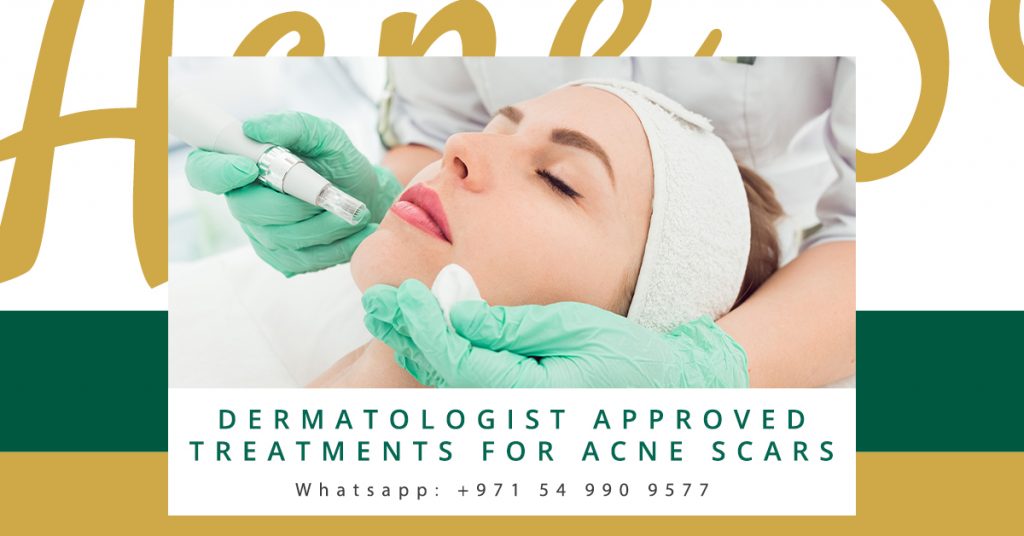
Dermatologist Approved Treatments for Acne Scars

Acne scars are permanent marks that appear on the skin after breakout of severe acne. These scars are difficult to treat using self-care remedies and can make an individual more conscious about their appearance.

However, consulting a dermatologist can help as now a days various treatments are available to get rid of these stubborn acne marks. In this blog, let’s have a look at some of the common treatments that can have a positive impact on the overall look and feel of your skin.

Chemical Peels: It is one of the oldest aesthetic beauty treatments. The peels dissolve the proteins that bind the skin cells together. This makes our body produce new cells, improving the overall texture of the skin. This procedure is highly recommended by dermatologists to treat acne scars. Particularly ice pick scars

Microneedling: Microneedling is a procedure in which a derma roller, derma pen or a microneedle stamp is used to make tiny punctures in the top layers of the skin. This mechanical micro-injury stimulates collagen production (Collagen Induction Therapy). This process plumps skin and improves its appearance. This procedure is highly effective in treating acne scars. A special form of microneedling that combines radio frequency (Microneedle Radiofrequency) is one of the best treatments for acne scars with minimal downtime

Dermal Fillers: Fillers are substances that are injected under the skin to ‘fill in’ any defects or to enhance existing features of the face or body. The most common filler used is Hyaluronic Acid (HA) which is naturally produced in our bodies. A gel-like product, when injected into the target area, it ‘fills in’ the defect or hollow. Fillers can improve skin volume over time and fade away the scar’s appearance.

Laser Therapy: In this procedure powerful laser beams are used to remove the outer skin layer or to stimulate collagen production in inner skin layers. This smoothens out the skin and reduces the appearance of acne scars.

Medi-facial: This aesthetic procedure will improve the skin tone, texture and collagen production, thus slowing down ageing process and getting rid of skin conditions including acne scars. It is a mixture of technology such as advanced lasers, exfoliation technology which helps in dead skin removal.

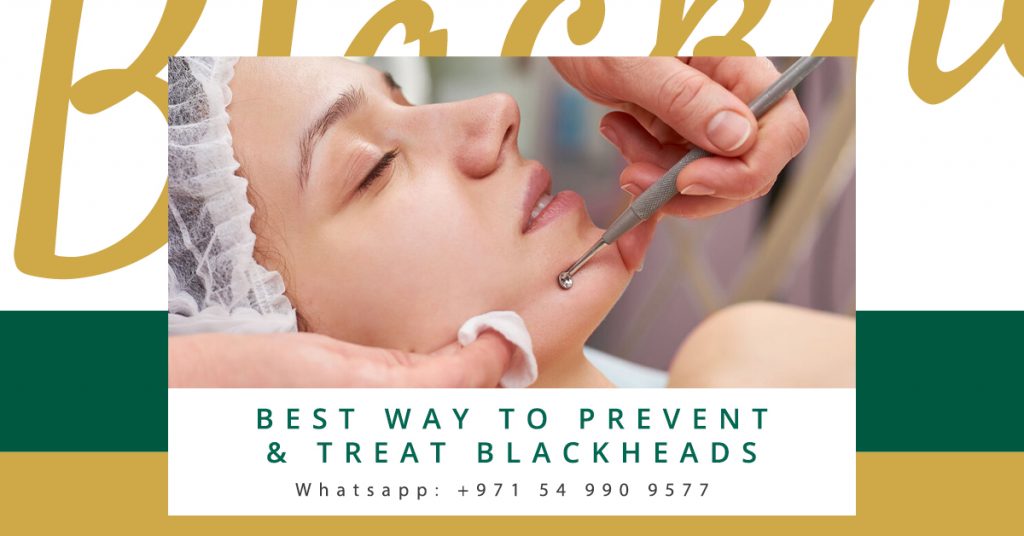
Best Way to Prevent & Treat Blackheads

Have you ever noticed black specks popularly known as blackheads while washing your face? Blackheads are a type of acne that happens when dead skin cells and oil clog your skin pores and people who have oily skin are also more prone to developing blackheads.

The greater the amount of dirt that accumulates in the pore, the greater it dilates—enlarging the pore and hence changing the appearance of the skin. Blackheads, specifically, tend to form on areas where we produce more oil and dead skin cells – like the face and around the nose and can be hard to treat as well as annoying. But if you are looking for the best way to treat and prevent blackheads, opt for medi-facials.

How Medi-facials Help?

Medi-facials might include microdermabrasion, LED Therapy, laser resurfacing or even a combination of these procedures. It also includes gentle exfoliation with skin brightening serums that can rejuvenate the skin and have long-lasting effects.

The procedure can unclog pores and start up new skin growth, hence getting rid of the stubborn blackheads. Regular in-clinic chemical peels may irritate acne-prone skin, but with this treatment, the skin is treated gently and gains all the benefits of a peel without its side effects.

Most of the patients only require one medi-facial session to get the desired results. However, many may require multiple sessions, depending on their skin type and the skin problems they want to get rid of. People dealing with chronic acne may require multiple sessions, wherein there should be an interval of four to six weeks between each session. One treatment is enough if you want rejuvenated skin right before a big party or event.


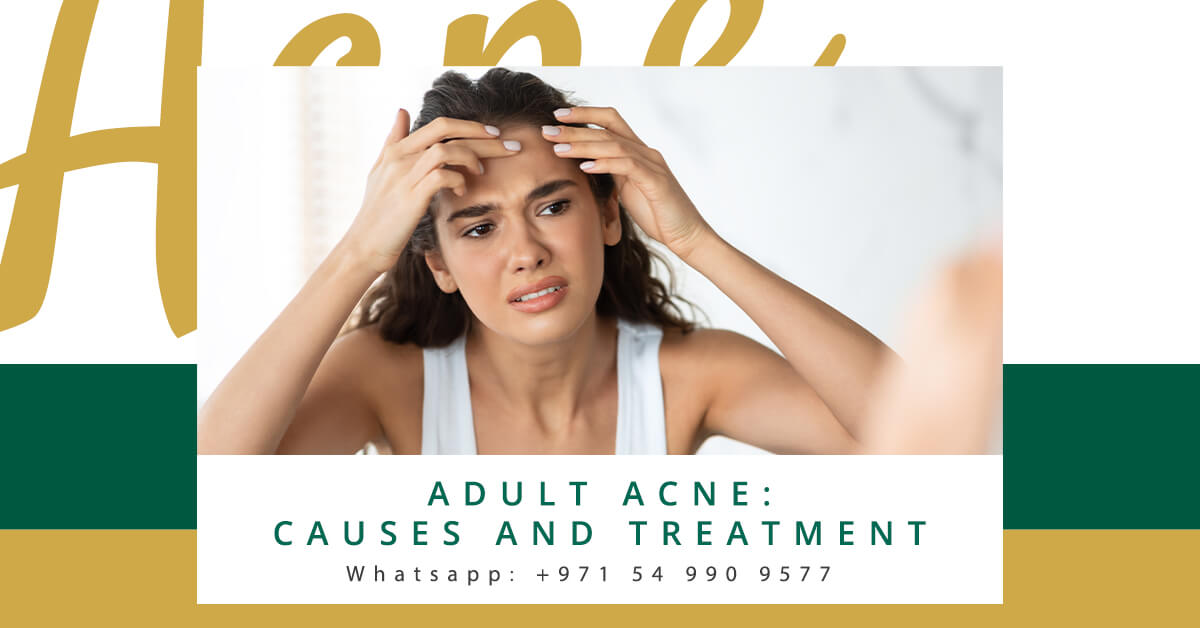
Adult Acne: Causes and Treatment

Though people think acne is a problem that mostly occurs during your teens, unfortunately it can occur at any age. People can get acne in their 40s and even beyond. The causes of adult acne remain mostly the same as teen acne – excess skin oil, bacteria, hormonal changes and family history.

Acne typically appears on your face, forehead, chest, upper back and shoulders as these areas of skin have the most sebaceous glands (oil secreting gland). Sometimes self-care or over-the- counter remedies may give you the desired results, but in some cases acne persists even after using these remedies, in such instances you may want to seek medical treatment from a dermatologist.

Common Causes of Adult Acne
Hormonal changes

Hormones known as Androgens, increase in boys and girls during puberty and cause the sebaceous glands to enlarge and produce more sebum. Similar hormonal changes may happen during midlife, particularly in women and lead to breakouts.

Family history

Genetics can also play a role in acne. If both of your parents had acne, you’re likely to develop it too.

Excess Oil & Bacteria

Excess oil can clog pores and rapid turnover of skin cells can lead to backed up hair follicles. Both these scenarios can cause adult acne. Bacteria called P.acnes can also cause adult acne.

Lifestyle

An unhealthy diet and sedentary lifestyle can cause adult acne. Foods like dairy, oil and sugar can particularly trigger acne.

Treatment for Adult Acne

Depending on its severity, acne can cause emotional distress and scar the skin for a lifetime. The earlier you start treatment, the lower your risk of such problems.  A dermatologist can work with you to develop a treatment plan for your acne and unique skin type. Treatments start from basic medicated creams and oral medications to advanced treatments with lasers, medical facials with blue light therapy and other devices.

Once the acne is settled the focus will shift to improving skin texture and reducing sebaceous hyperplasia, or enlarged oil glands. This is important to prevent further breakouts in the future


Busy Mom Beauty Tips

Motherhood is a beautiful and rewarding phase in a woman’s life. But any new mom can tell you that between feeding, diaper changes and cuddles there’s very little time for any self care. New moms are always on a look out for quick treatments that will last for some time to avoid frequent visits to the aesthetic clinic. Keep reading this blog to know a few beauty treatments and tips for busy mothers that will surely come handy to look and feel great without spending a lot of time and effort!

Skin

There are 3 keys steps to maintaining great skin. Cleansing, exfoliation and hydration. These can be achieved even at home using the right products for your skin type. Your dermatologist can help guide you about which products would be suitable. If your skin needs a further boost, regular medi-facials can be customized to your needs. These facials are both relaxing and effective. For most people once a month sessions is sufficient to get that extra boost mommy-skin deserves!

Hair Care

Post natal hair loss is real! As the levels of pregnancy hormones drop, unfortunately so does the hair. This is perfectly normal and starts around 3 months post delivery and can last up to a year. Even so, it can be very alarming to new mommies who already have a lot on their minds. Even though this phenomenon is very common and is a physiological part of the changes the body goes through, there are a few measures one can take to reduce the hair fall and give support to the weakened hair follicles. The most important step is to continue the pregnancy vitamins for up to a year after delivery. Essential vitamins and micro nutrients are depleted during pregnancy and the first year after delivery. It’s very important to supplement these even after giving birth. Vitamin D and iron are particularly important. Another tip is to avoid any harsh chemical or heat treatments in the first year after delivery as this is when the hair follicles are most vulnerable.

Laser Hair Removal

Who doesn’t love the feel of smooth skin? But shaving daily or opting for traditional hair removal methods such as waxing can be both time consuming and painful. If you are a busy mother who wants to save time, investing in laser hair removal for underarms and bikini areas can effectively cut down on shower time as well as razor burn and leave you with a silky smooth skin. Laser hair removal is safe and lasts longer than the traditional hair removal methods.

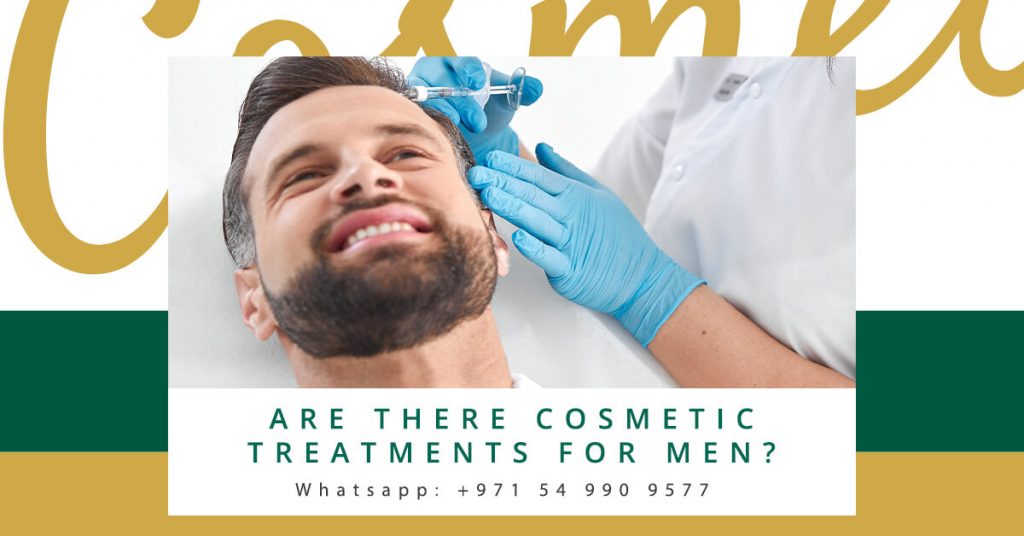
Are there Cosmetic Treatments for Men?

It is a common myth that cosmetic treatments are only meant for women. But several issues like adult acne, wrinkles and hair loss are common and bothersome even for men. Men have become conscious about their appearance and breaking the stereotypes, they too are following a strict regime to keep their skin and hair healthy. They don’t shy away from getting the help of modern technology in this quest and are seeking cosmetic treatments for several issues.

Eliminating the prejudices, men are ready to experiment with different cosmetic treatments ranging from Botox to hair transplant that are easily available in order to enhance their looks. The most common cosmetic treatments for men include:

Botox

The signs of ageing do not just bother the women it can be a cause of grave concern for the men also. This is the reason why men are also seeking Botox procedures. Some of the most common areas where men prefer Botox injections are in their forehead in order to reduce the appearance of creases, in the corner of their eyes to treat crow’s feet, around their lips to treat laugh lines, and between their eyebrows to prevent frown lines.

Hair

Male pattern hair loss is one of the most common concerns faced by men. Few men start losing their hair even in their early 20’s which greatly impacts their confidence. Many treatment options are available and usually a combination is suggested. Commonly done treatments for hair loss are: PRP (platelet rich plasma), mesotherapy and light therapy. Usually these treatments are combined with products to be used at home. If these measures are insufficient then the next step is to consider hair transplantation. Modern advances in this field have greatly improved the outcome and lowered costs. Hair transplant remains the best option for advanced cases.

Beard shaping and laser hair removal

Regular shaving can cause in growths and breakouts in men in the beard and neck areas. Beard shaping with laser hair removal has greatly improved the quality of life in men who face these problems. It is a safe and effective method and lasts for months to years. Men also opt for body hair removal especially for hygiene reasons.

Fillers

Women aren’t the only ones who suffer from age related volume loss. Men too lose their facial contours and definition with age which can be aesthetically treated by using fillers. Young men as well can benefit from the contouring and definition effects of fillers, especially for the jawline and chin areas

Tips to Treat Your Sensitive Winter Skin

With the onset of winter season, taking care of your skin should be your priority, especially if you have sensitive skin. The low humidity levels and dry air can reduce the moisture content of your skin. It is imperative to follow a skin regimen to protect it from becoming dry irritated and cracked. Incorporate these simple tips in your daily routine to get healthy, supple glowing skin this winter season.

Keep yourself Hydrated: By applying moisturizer you can hydrate yourself on the outside, but if you want to stay hydrated from the inside you need to drink adequate water throughout the day. The cold winter air can leave your skin parched; using an air humidifier can also greatly improve the immediate environment around your skin.

Layer Up: While you venture out in this cold weather make sure to protect your skin by layering up. The skin on your neck, face and back of hands is thinner than other areas of the body and therefore more sensitive to the effects of winter weather. Sweaters, scarves and gloves not only keep you warm but also protect your skin from the cold, dry air. For those with sensitive skin, avoid synthetic fabrics and itchy materials like wool, and wash clothes with a gentle dermatologist-recommended detergent.

Avoid Allergens: Choose moisturizers and skin care products that don’t contain common irritants and fragrances. Opt for mild cleansers and moisturizers that are specifically labeled for sensitive skin. Natural moisturizers like coconut oil and shea butter can be used instead of market bought moisturizers that will act as protective barriers against harsh elements, sealing in moisture.

If you have sensitive skin you can include the above mentioned tips to minimize the harsh effects of winter including redness, dry and patchy skin. These tips will also help you to keep your skin healthy and glowing throughout the season.